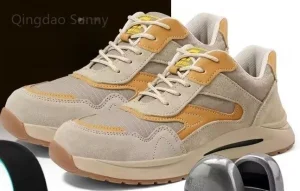
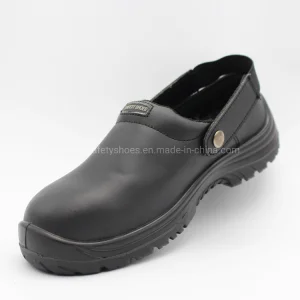
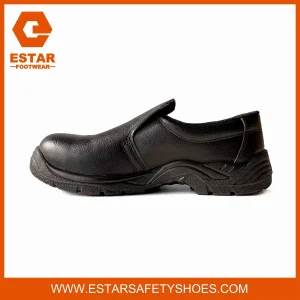
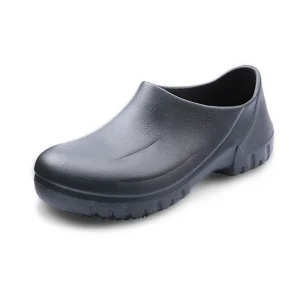
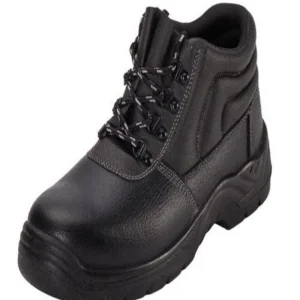
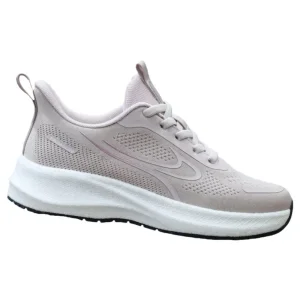
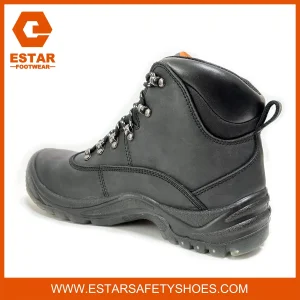
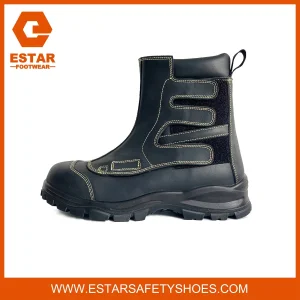
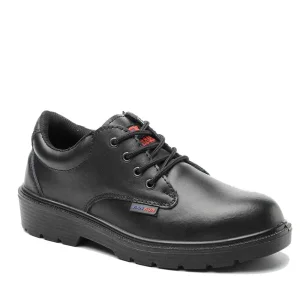
Minimizing workplace hazards and insurance liabilities through state-of-the-art outsole design, premium chemical resistant compounds, and ergonomic engineering.
Slip, trip, and fall incidents account for over 30% of all reported workplace injuries globally. For supply chain managers, human resources directors, and health and safety personnel, procuring certified non-slip shoes is not just an employee comfort decision; it is a critical risk mitigation strategy.
Top trusted non-slip work sneakers factories like Weifang Lento Shoe Co., Ltd. leverage advanced tribology—the science of interacting surfaces in relative motion—to design outsoles that maintain a high Coefficient of Friction (COF) on oily, wet, and contaminated surfaces.
By blending industrial safety compliance with modern, breathable sneaker aesthetics, we address the critical user intent for all-day comfort without compromising on heavy-duty safety protections such as steel toe protection, static dissipation, and liquid-proof membranes.
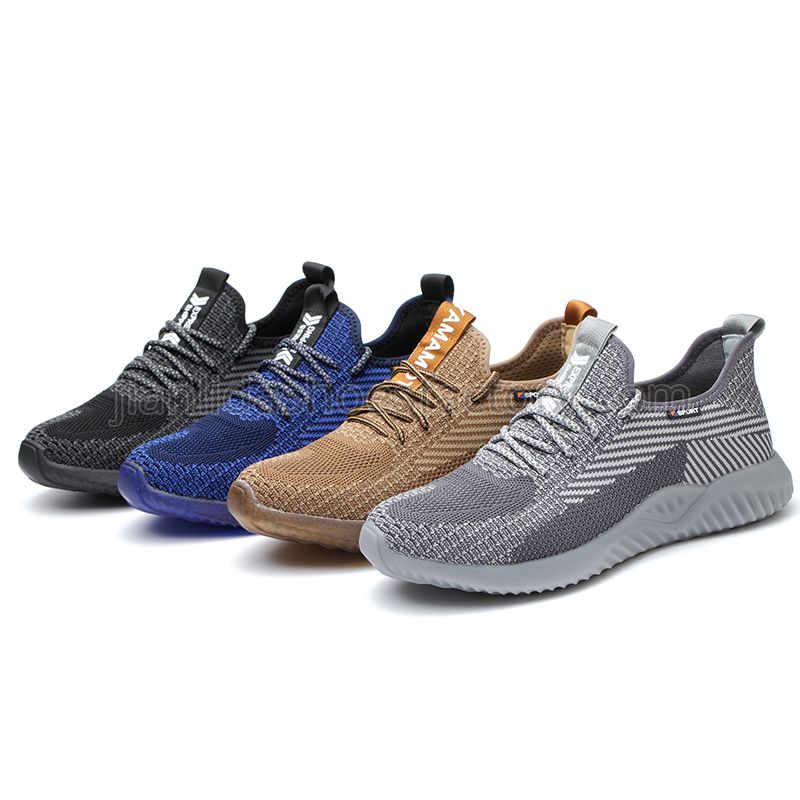
Explore our top-tier safety shoes engineered for kitchens, medical facilities, cleanrooms, and construction sites.
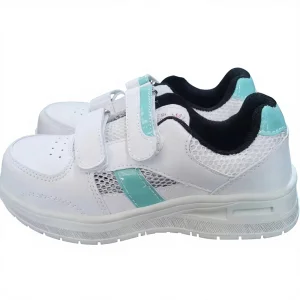
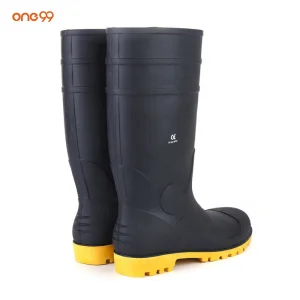
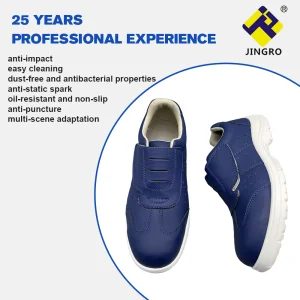
A trusted pioneer in personal protective equipment, matching manufacturing scale with scientific precision.
Located in Weifang, Shandong, China, Weifang Lento Shoe Co., Ltd. is a globally recognized manufacturer in the specialized market of safety-certified work sneakers and protective boots. We have cultivated an industrial footprint designed to provide premium OEM and ODM solutions to retail brands, regional wholesalers, and large-scale industrial buyers globally.
For more than 10 years, our core mission has been to challenge the paradigm that industrial protective footwear must be heavy, rigid, and visually unappealing. By integrating technical materials such as lightweight composite toes, military-grade puncture-resistant midsoles, and hyper-dense slip-resistant outsoles, we create sneakers that keep workforce personnel safe, comfortable, and productive.
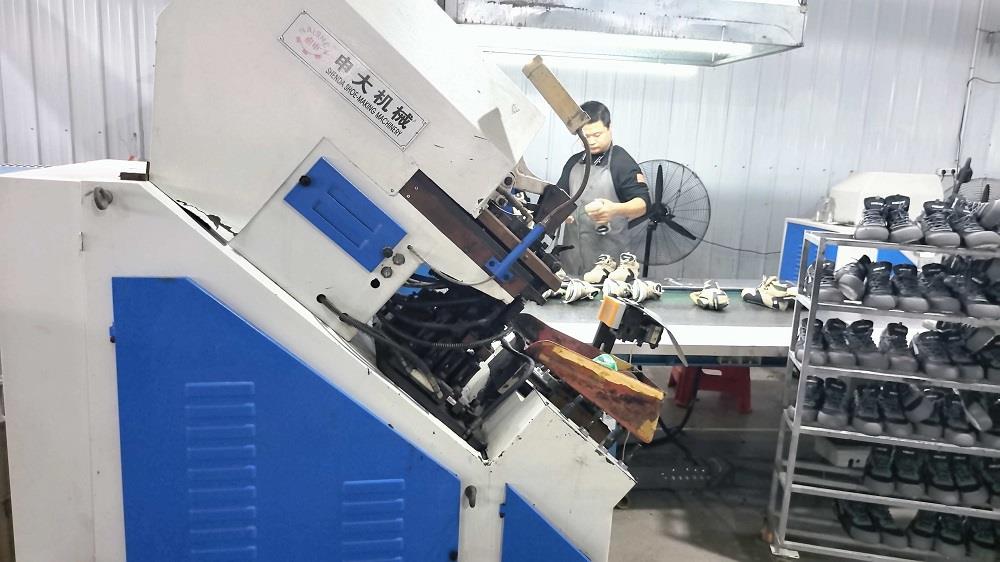
Equipped with computerized injection molding lines, advanced cold-bonding technology, and automatic cutting plotters to guarantee precision down to the millimeter.
All operations comply fully with international safety footprints, with certifications covering CE, ASTM, and ISO 20345 standards for global customs clearing.
Flexible OEM/ODM terms, low minimum order quantities, private labeling design, and structured custom packaging to maximize margin capabilities for partners.
A comprehensive B2B insight report on modern industrial demands, technological transitions, and global buyer profiles.
Historically, industrial safety boots were heavy, stiff, and primarily designed for heavy manufacturing or mining. Modern workforce demographics, however, demand comfortable, lightweight alternatives. Workers in food services, hospitality, healthcare, cleanroom manufacturing, and warehouse logistics often log 15,000+ steps per shift. This has catalyzed the explosive growth of the Anti-Slip Work Sneaker segment.
Modern non-slip sneakers merge the structural safety elements of traditional boots (such as steel or composite toe caps and anti-puncture insoles) with the midsole cushion and breathable uppers of high-end athletic footwear. This reduces foot fatigue, decreases joint strain, and prevents chronic lower-back issues among staff.
Enterprise procurement departments no longer purchase safety gear purely based on unit price. Global supply chain optimization requires balancing quality assurance with regulatory compliance to avoid product recalls, custom detentions, and employee liability suits. Standard requirements include:
With global sustainability mandates tightening, major brands and enterprise buyers are seeking manufacturing partners that utilize eco-friendly rubbers, recycled plastics for sneaker uppers, and non-toxic water-based bonding adhesives. Weifang Lento leads this transition by offering green materials and low-VOC assembly methods, enabling our partners to satisfy strict ESG audits.
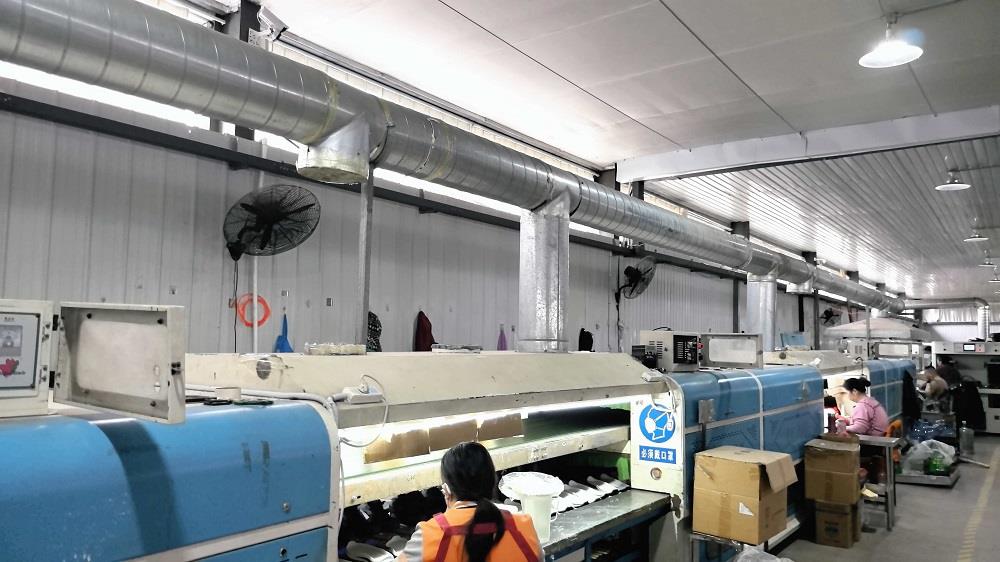
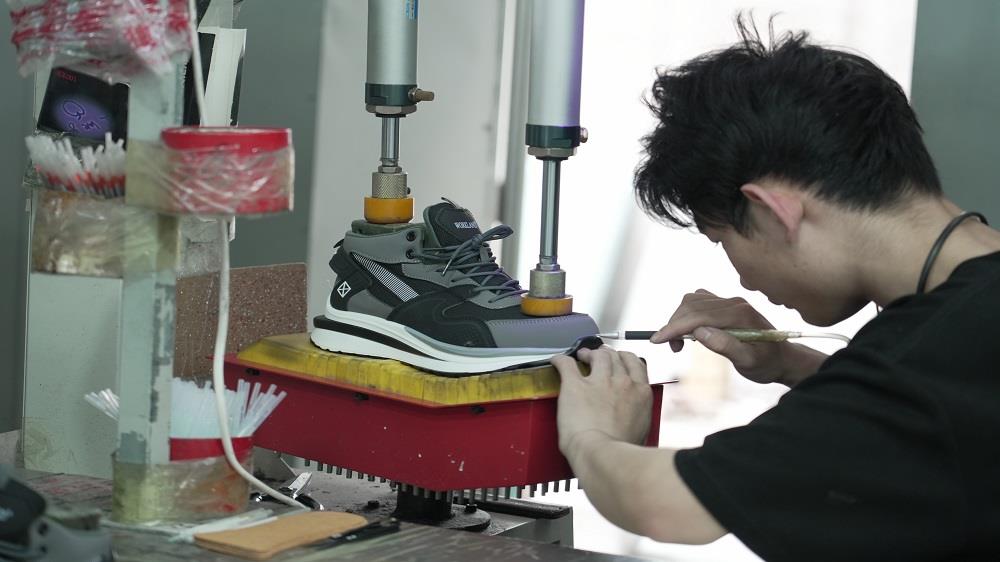
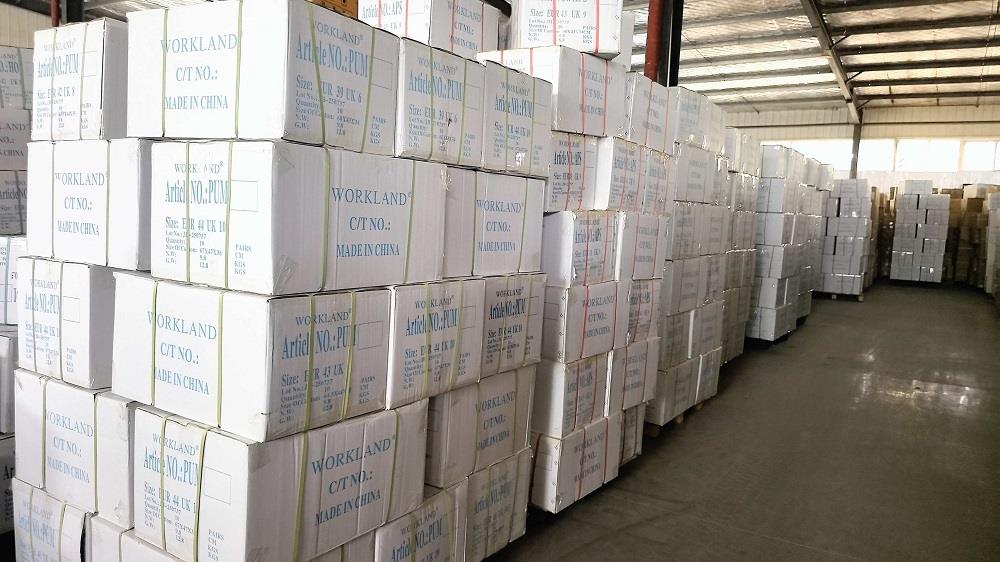
Take a virtual tour of the Weifang Lento manufacturing facility. Our automated assembly and meticulous quality control steps ensure every pair meets international safety footprints.
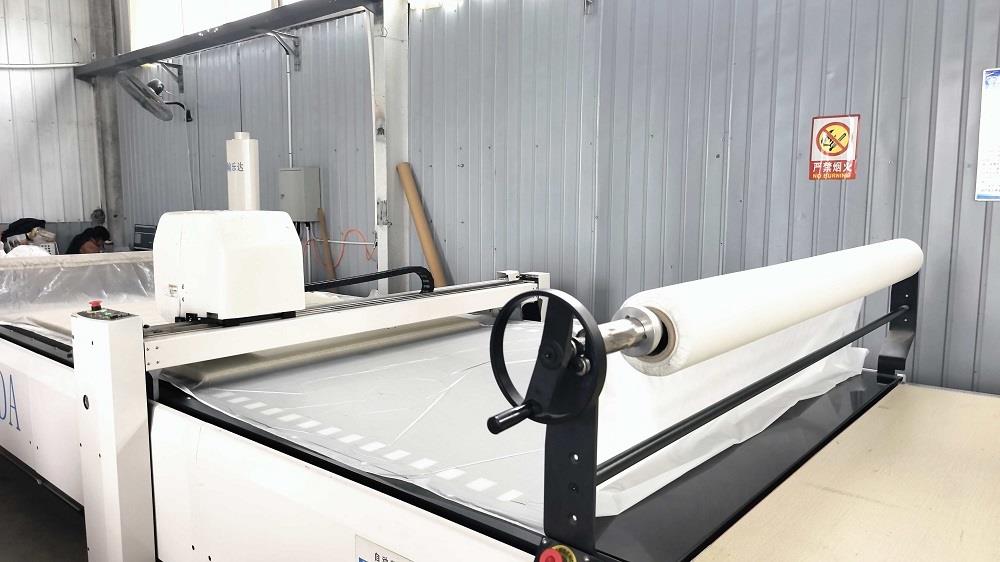
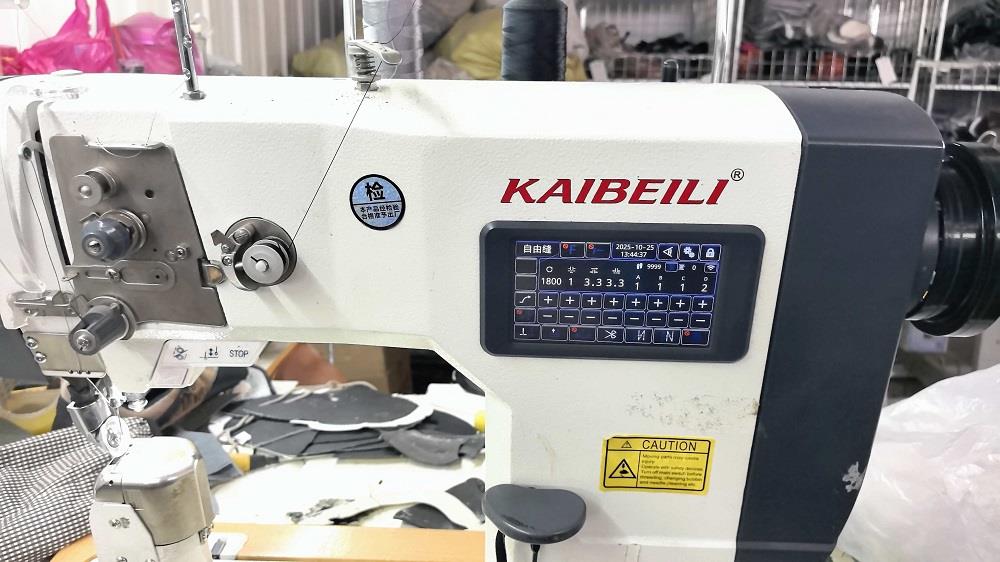
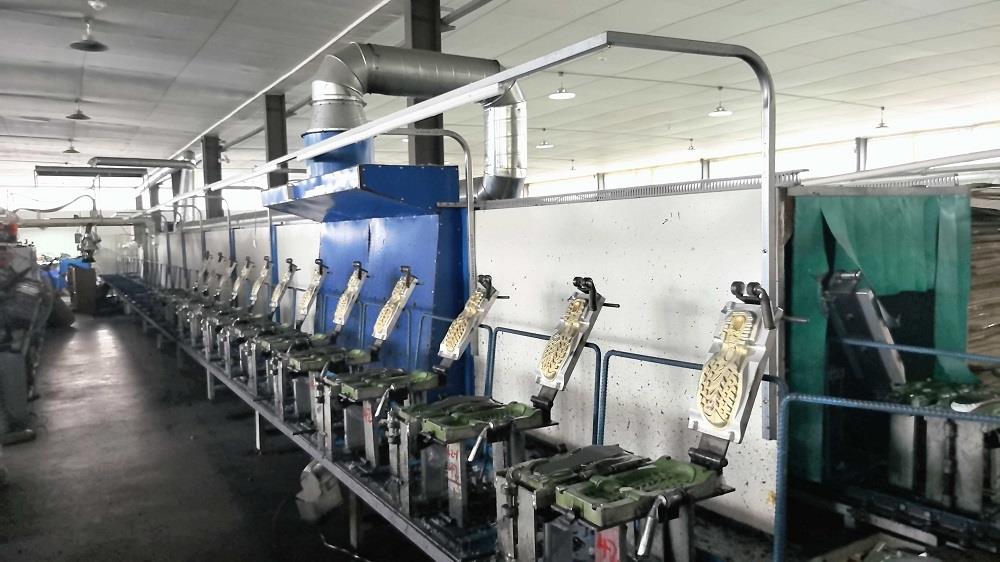
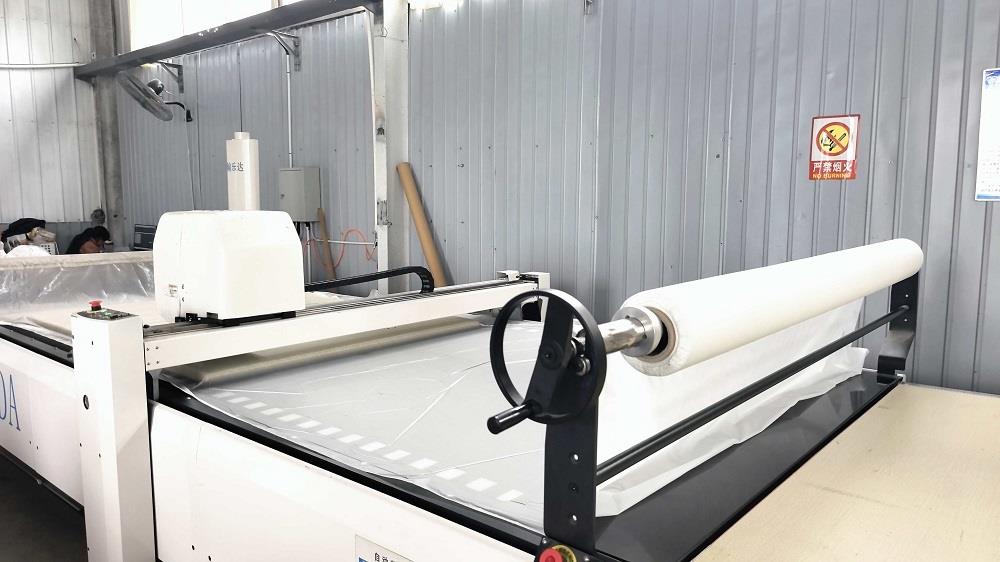
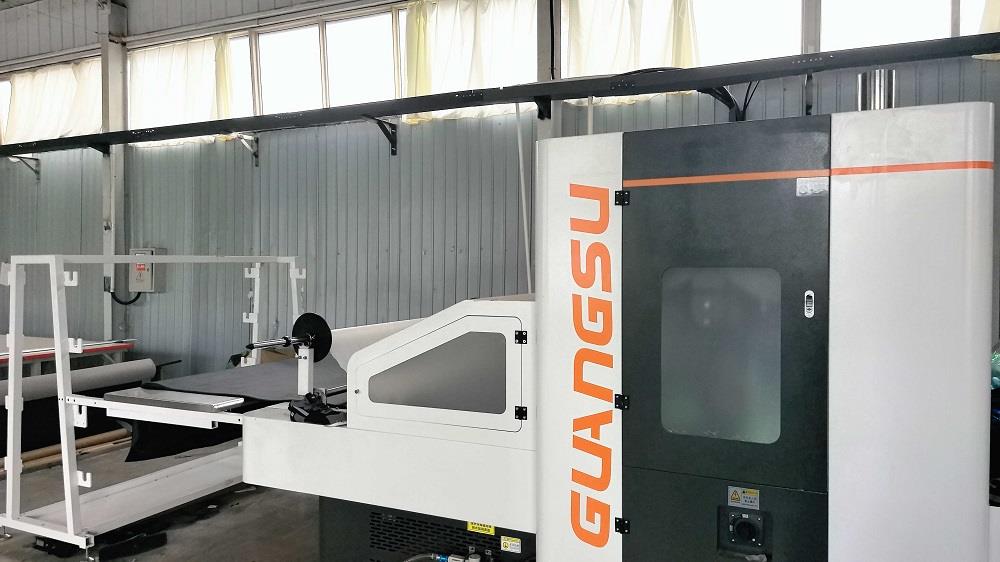
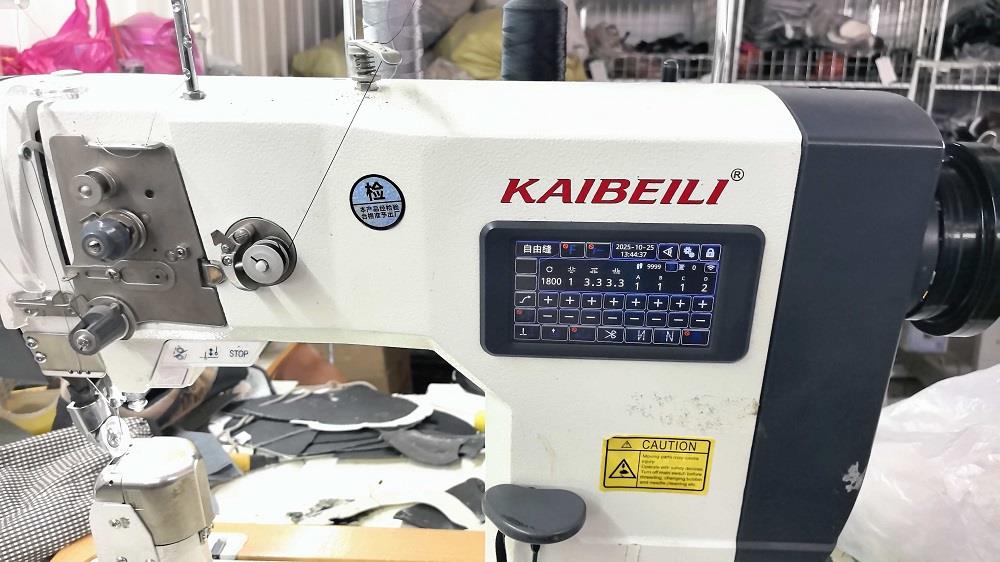
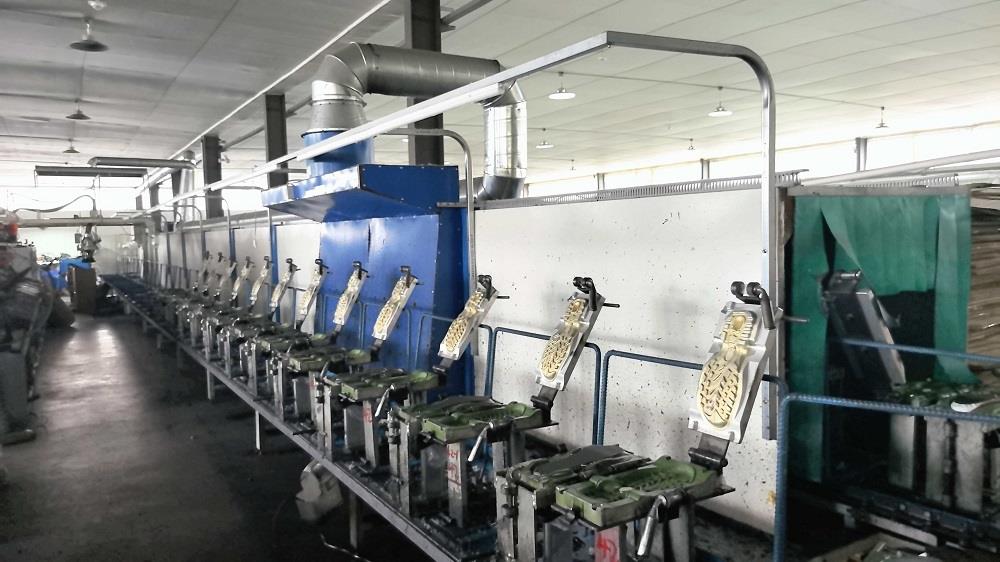
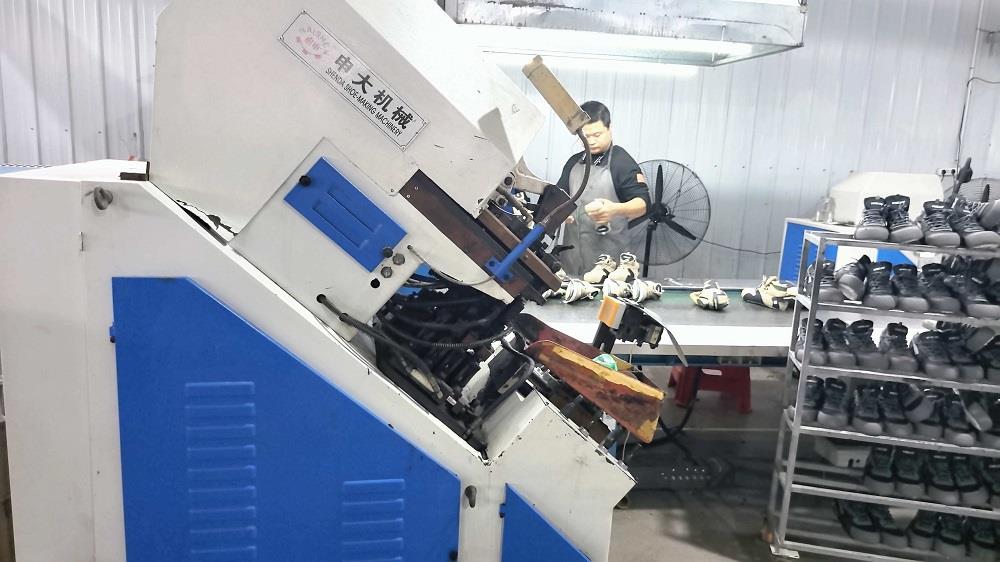
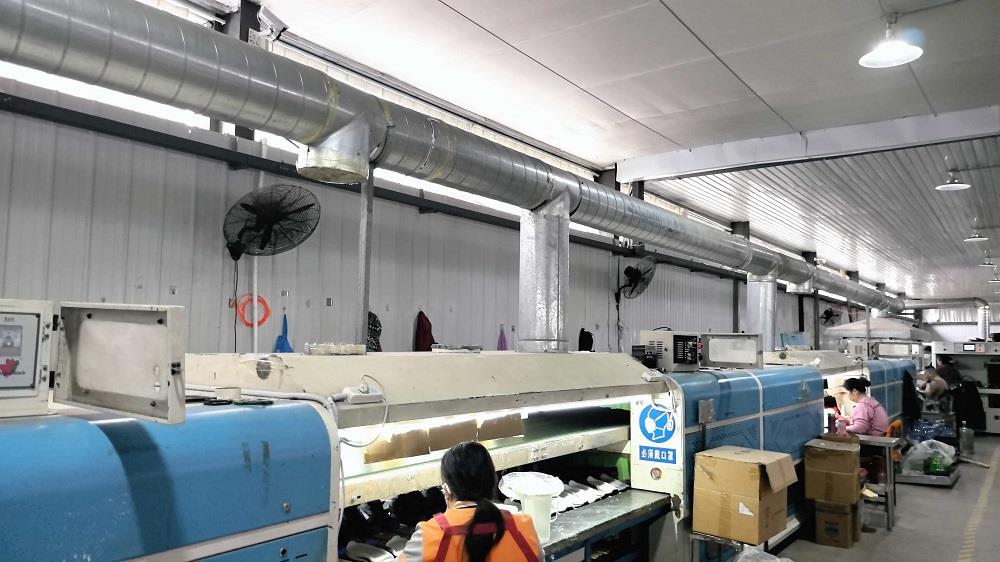
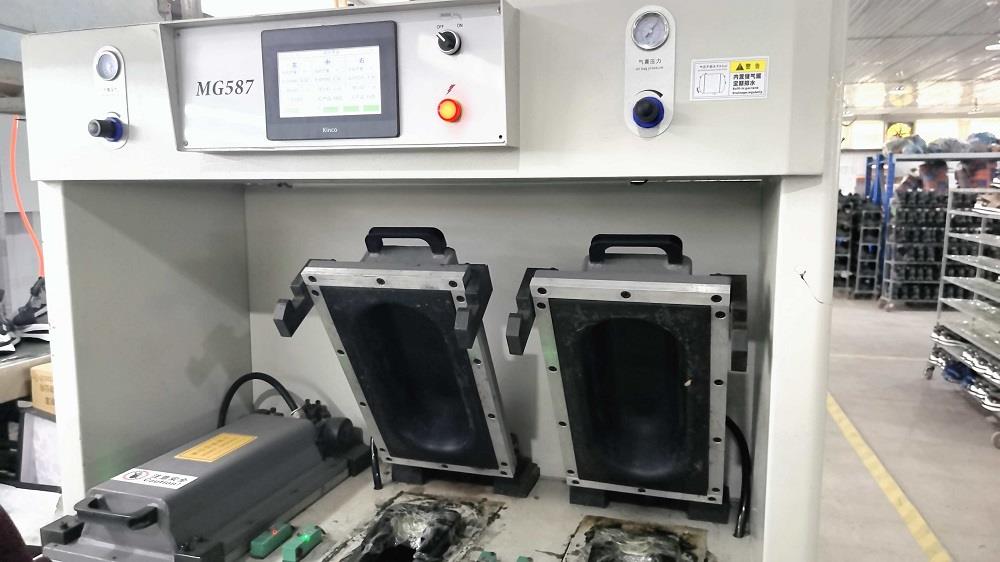
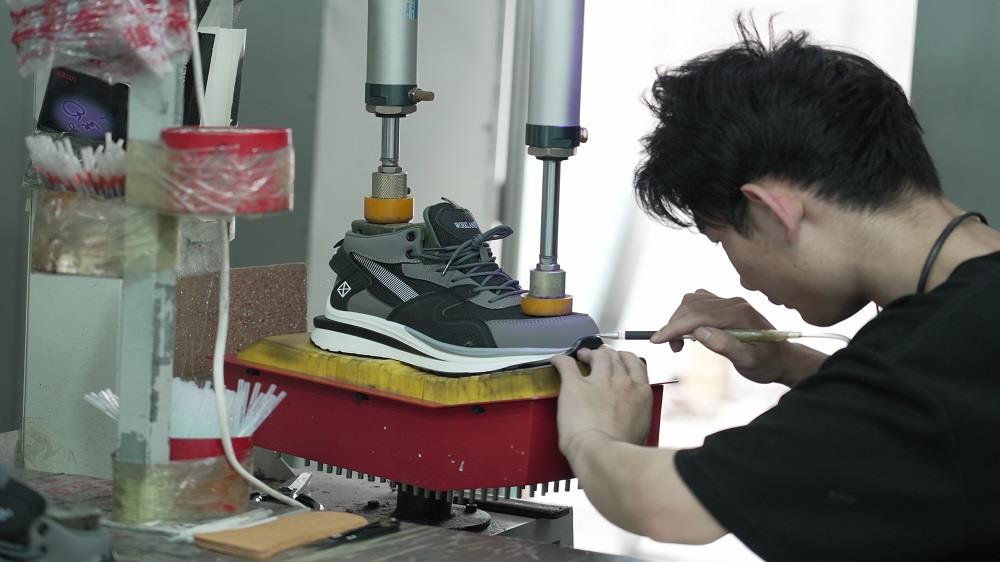
Understanding slip resistance classifications is paramount for supply compliance. We design footwear to pass rigorous international tests.
Under the widely adopted European standard EN ISO 20345:2011 (and the newly updated EN ISO 20345:2022), slip resistance is categorized based on laboratory conditions:
In the United States, ASTM F3445-21 defines the minimum slip-resistance requirements for safety footwear. The slip-resistance test is conducted using the ASTM F2913 test method. Under this framework, a Coefficient of Friction (COF) value of ≥ 0.40 on dry and wet surfaces, or ≥ 0.45 for specialized kitchen environments, is the benchmark for safety certification.
| Standard / Rating | Test Surface | Lubricant Used | Target Metric (COF) | Primary Industrial Sector |
|---|---|---|---|---|
| EN ISO SRA | Ceramic Tile | Sodium Lauryl Sulfate (Soap) | Heel ≥ 0.28, Flat ≥ 0.32 | Healthcare, Retail, Cleanroom |
| EN ISO SRB | Stainless Steel | Glycerol (Oil) | Heel ≥ 0.13, Flat ≥ 0.18 | Foundry, Machining, Industrial Plants |
| EN ISO SRC | Ceramic & Steel | Soap & Glycerol Combined | Passes both SRA + SRB | Heavy Logistics, Petrochemical |
| ASTM F3445-21 | Varies (Tile/Metal) | Water & Glycerol | COF ≥ 0.40 (Wet/Dry) | North American Warehouses, Kitchens |
Similar to high-performance automotive tires, anti-slip work shoes rely on tread geometry to channel fluids away from the contact patch. Weifang Lento’s R&D team designs patented treads featuring wide channels to expel liquids, and micro-siped elements to break surface tension on oils. This ensures that the rubber compounds make direct contact with the solid floor surface, stabilizing the wearer's gait.
Where personal protective footwear is headed in 2026 and beyond.
We are piloting outsoles mixed with Graphene nanoplatelets. These promise to increase abrasion resistance by up to 50% without altering the soft elasticity required to grip slick surfaces, significantly increasing the lifespan of work sneakers.
By using multi-density polyurethane (PU) injections, we achieve a soft, shock-absorbing midsole layer for comfort, paired with a high-density slip-resistant rubber skin. This eliminates the need for heavy rubber components while maximizing safety.
As electronic assembly and semiconductor manufacturing expand, our ESD safety shoes are incorporating auto-monitoring threads, ensuring a consistent static dissipative path from the body to the ground (ranging between 10^5 to 10^8 Ohms).
Explore our heavy-duty boots, heat-resistant shoes, and specialized outdoor safety solutions.
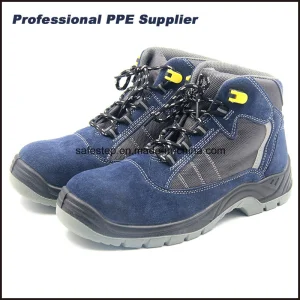
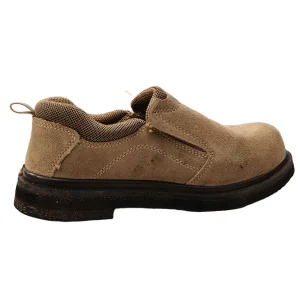
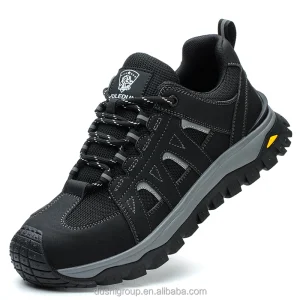
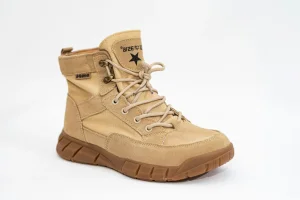
How Weifang Lento ensures seamless custom clearances, compliance verification, and regional supply stability.
A major risk for international shoe wholesalers is having cargo impounded due to lack of standard compliance certifications. At Weifang Lento, we provide full transparency for customs clearances. All footwear items intended for export undergo rigorous testing and are issued official certificates matching CE (Europe), ASTM (North America), and AS/NZS (Oceania) rules. When you order from Lento, we issue all critical documentation including Certificates of Origin, lab test data sheets, and compliance declaration forms to guarantee a smooth import process.
We provide full localization support for branding. Whether you need custom insoles, hot-stamped heat tags, private-label branding, customized tongue labels, or boxes matching your brand’s aesthetic, our production facility handles it with precision. With advanced machinery for laser cutting and computerized printing, we help you launch your proprietary protective footwear collection with minimal stress and fast lead times.
B2B technical questions answered directly by Weifang Lento's engineering and export compliance department.
 Lento Shoe