Engineered for Maximum Protection, Anti-Static Performance, and Ergonomic Compliance
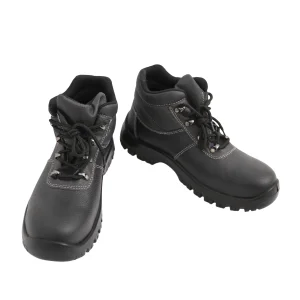
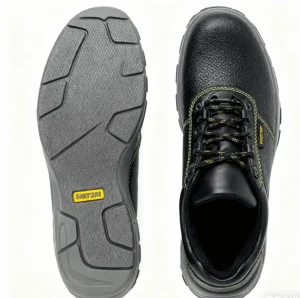
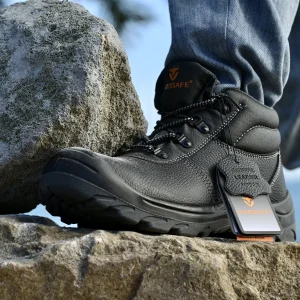
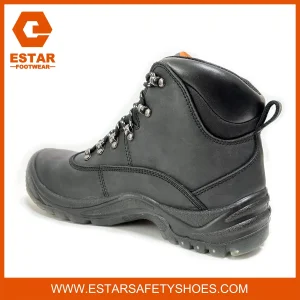
Metatarsal Protection Safety Boots with Additional Guard and Puncture Resistant Plate
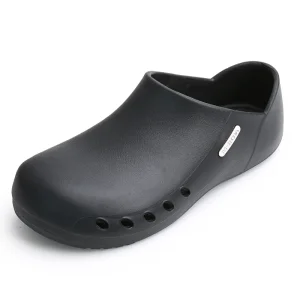
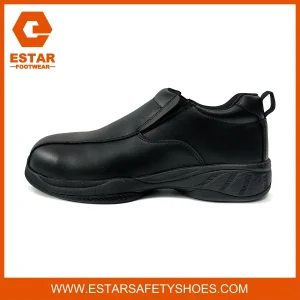
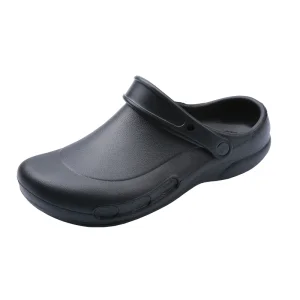
JDS Safety Non-Slip Chef Shoes Oil Resistant for Restaurant and Commercial Kitchen
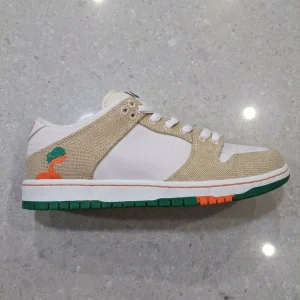
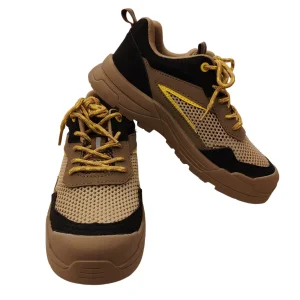
Luxury Jarritos Collaboration Retro Low Top Durable Rubber Sole Skateboard Sneakers
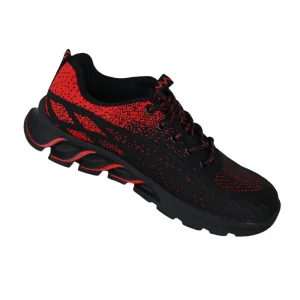
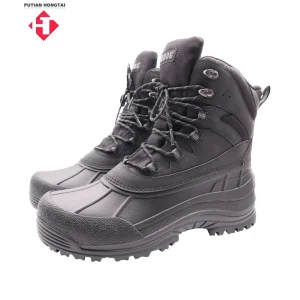
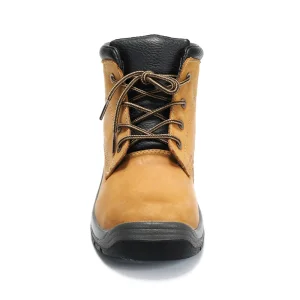
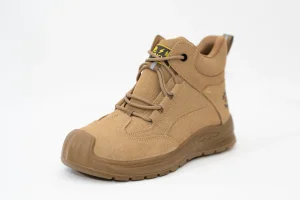
Fashion Heavy Duty Winter Work Boots Men Waterproof Insulated Safety Shoes
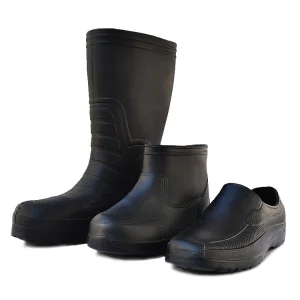
Lightweight Anti-Skid Waterproof Rain Boot Safety EVA Foam Kitchen Chef Shoes
In modern commercial operations, personal protective equipment (PPE) has evolved beyond basic compliance checklist items. Today, global supply chain executives, industrial safety directors, and global sourcing buyers view protective footwear as a vital component of labor risk management, employee satisfaction, and productivity optimization. The market for Multi-Purpose Safety Boots has seen substantial growth, driven by rigorous legislative guidelines such as European EN ISO 20345 standards, US ASTM standards, and international ISO requirements.
Weifang Lento Shoe Co., Ltd., based in the manufacturing hub of Weifang, Shandong, China, has stood at the forefront of this industrial transition for over a decade. We construct industrial-grade footwear engineered to resist multi-vector workplace hazards—ranging from impacts, penetrations, and electrostatic discharges to high voltage exposures and corrosive oils. By leveraging high-grade leather, microfibers, steel/composite caps, and dual-density outsoles, we deliver footwear solutions that protect workers across diverse, challenging work environments.
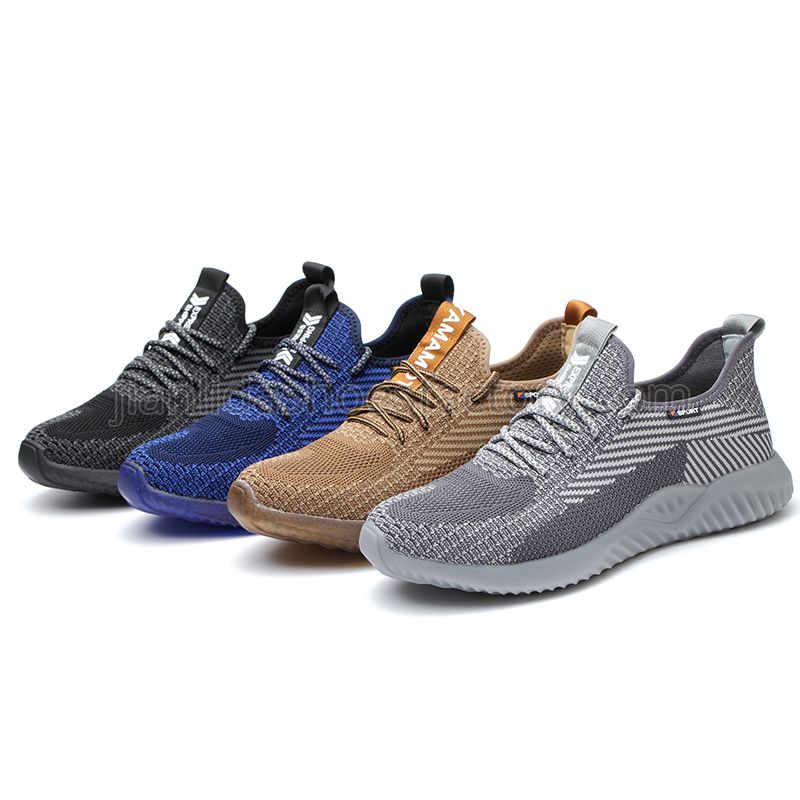
Why modern operations require consolidated protective footwear platforms
Purchasing managers globally face the challenge of managing multiple PPE profiles. A single multi-purpose boot can satisfy S3 water-resistance, anti-puncture, and ESD anti-static demands, drastically reducing warehousing footprints and procurement administrative overhead.
Global logistics and manufacturing firms mandate compliance across regional boundaries. Sourcing from a factory certified in European CE (EN ISO 20345), American ASTM (F2413), and ISO standards prevents customs bottlenecks and legal liability.
Employee retention and reduced worker compensation claims are directly tied to footwear comfort. Modern procurement demands lighter composite toe alternatives, shock-absorbing PU midsoles, and breathable textile linings to minimize fatigue.
"According to recent industrial safety reports, workplaces that implemented multi-hazard, ergonomically tested safety footwear reported a 28% reduction in foot-related injuries and a 14% drop in fatigue-induced absenteeism."
Lento's automated, precision-driven manufacturing ecosystem in Shandong
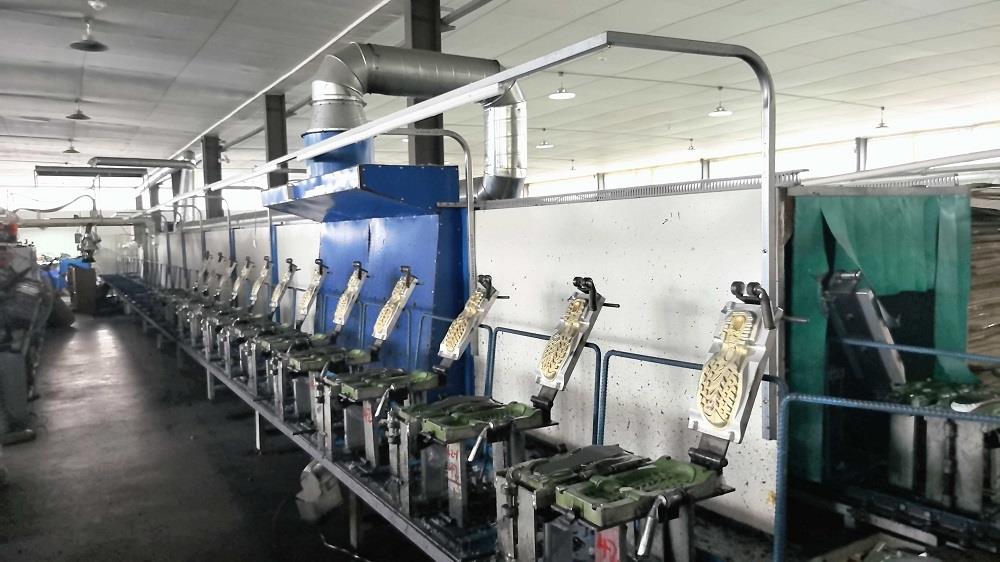
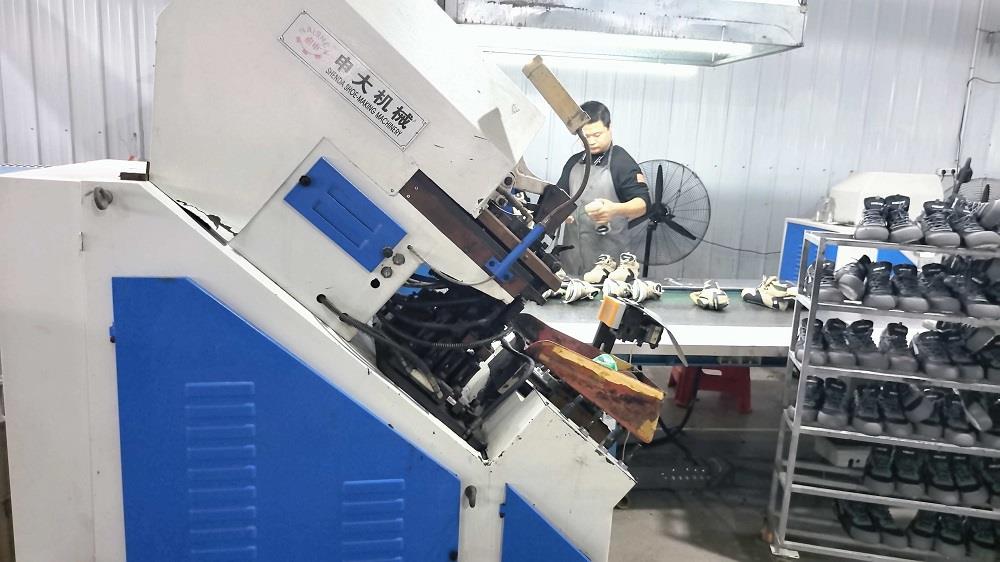
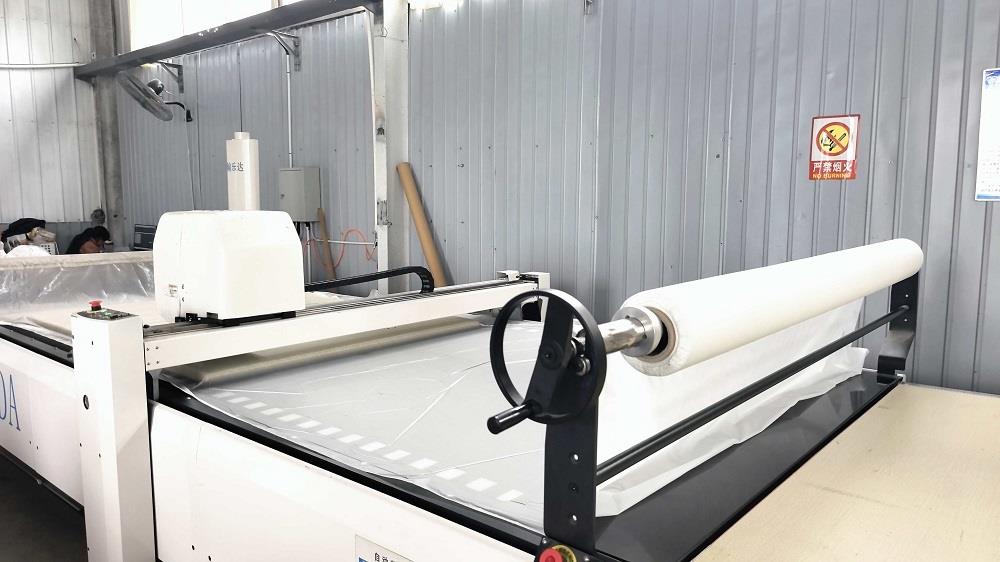
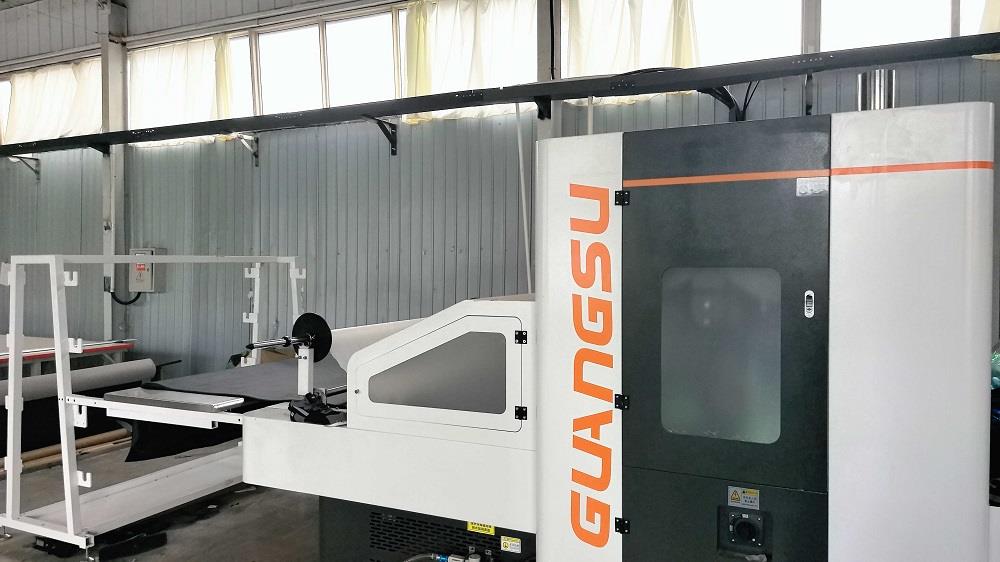
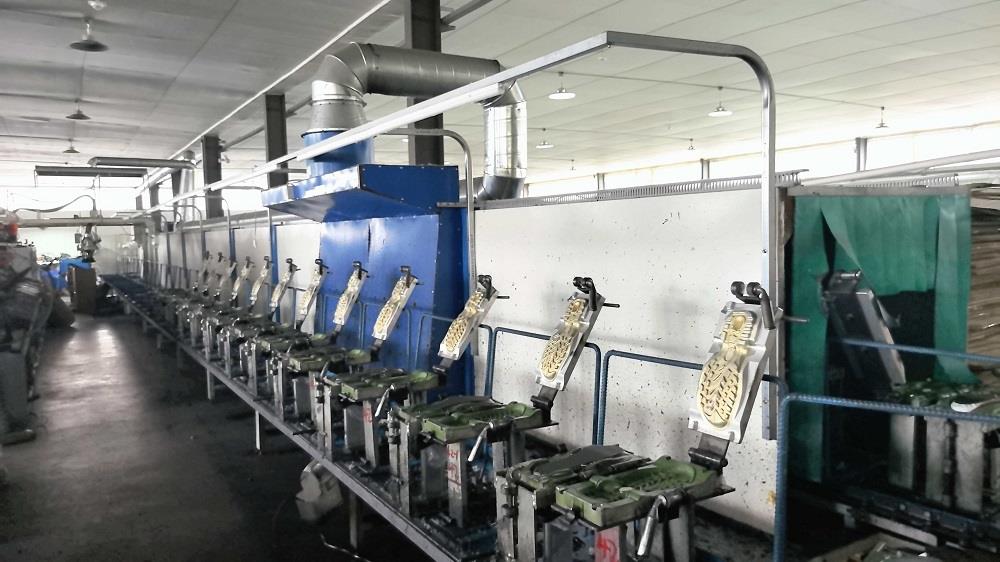
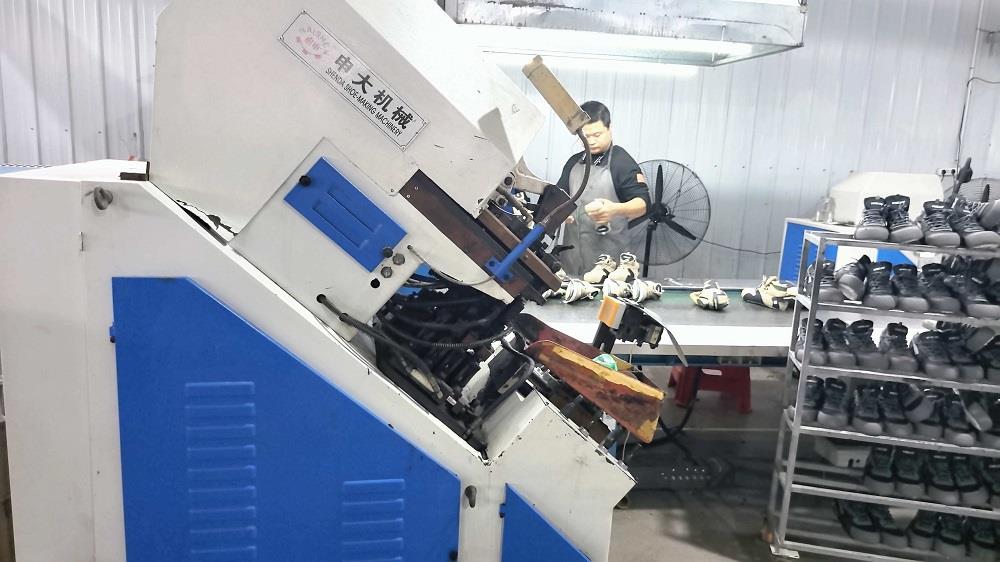
The Chinese manufacturing landscape has transformed from basic manual assembly lines into a tech-driven Industry 4.0 ecosystem. Shandong province, a center for heavy industry and textile processing, offers a robust raw material supply chain. Weifang Lento Shoe Co., Ltd. capitalizes on these regional advantages by integrating computer-guided cutting systems, automated polyurethane injection molding, and strict inline testing protocols to achieve consistent, high-yield outputs.
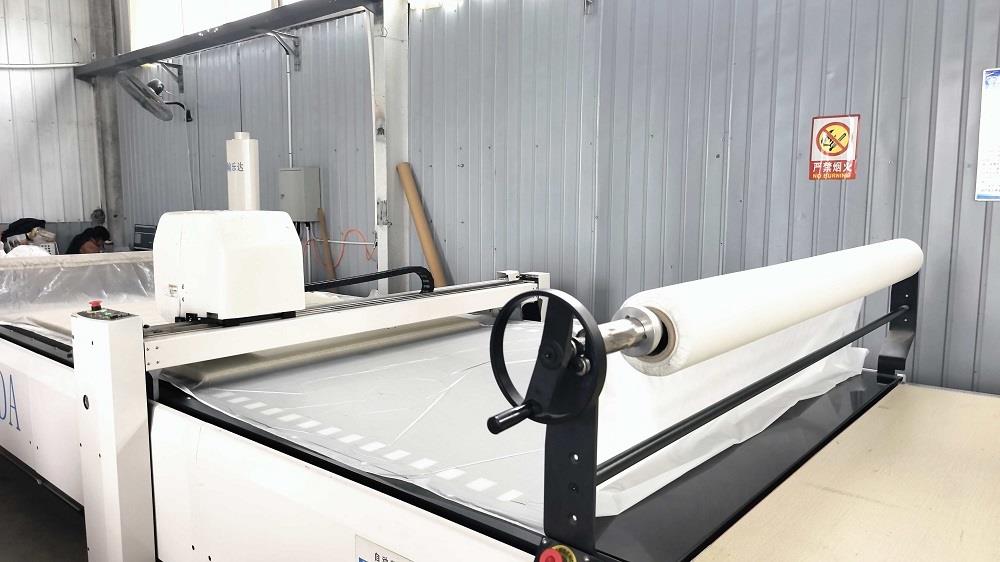
By employing automatic cutting machines and specialized injection lines, Lento ensures pattern precision to the millimeter. This automation reduces material waste, accelerates delivery timelines, and lowers structural fail rates under physical loads.
From local sourcing of high-grade cowhide to custom chemical formulations for oil-resistant outsoles, our raw material channel is secured against global supply fluctuations, offering stable pricing matrices for long-term contract partners.
Our custom styling department accommodates private label integrations, specialized shank insertions, dielectric insulation adjustments, and custom outsole branding to match specific market entry parameters.
Deep dive into specialized industrial environments requiring specialized foot protection
Requires puncture-resistant steel/Kevlar plates (midsole safety) and metatarsal shields. Lento's S3 heavy-industry boots protect workers from ground-level punctures and overhead drop hazards, meeting the requirements of complex construction environments.
Requires electrostatic dissipation (ESD) compliance to safeguard sensitive semiconductor components. Our ESD-compliant safety footwear lines regulate static discharges without sacrificing wearer comfort or traction control.
Demands slip-resistant outsoles (SRC certified) and fat/oil resistance. We produce lightweight EVA foam and rubber-soled chef shoes that maintain structural integrity despite continuous exposure to moisture, organic fats, and sanitizing chemicals.
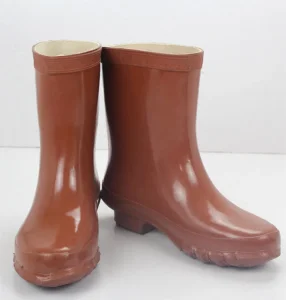
Requires dielectric rubber insulation to block grounding pathways. Lento's high-voltage safety boots are lab-tested to withstand up to electrical hazard limits, providing essential secondary protection for utility technicians.
A transparent view into our ISO-certified processing stages, machines, and manufacturing lines
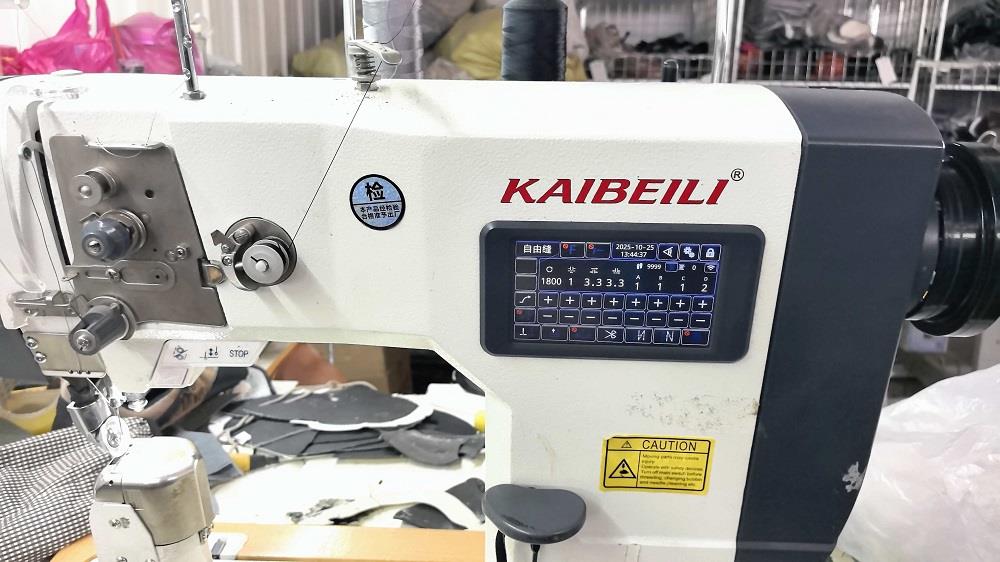
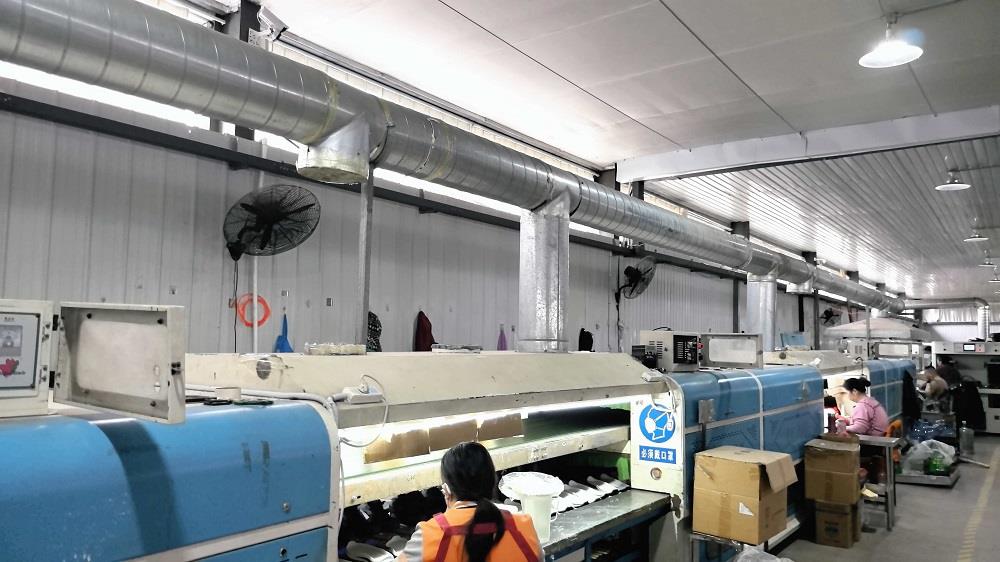
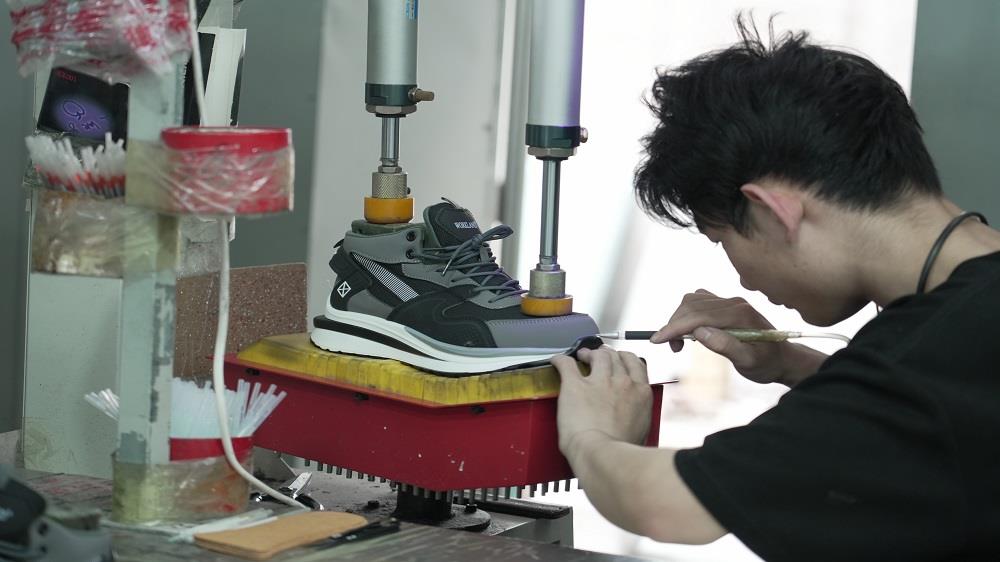
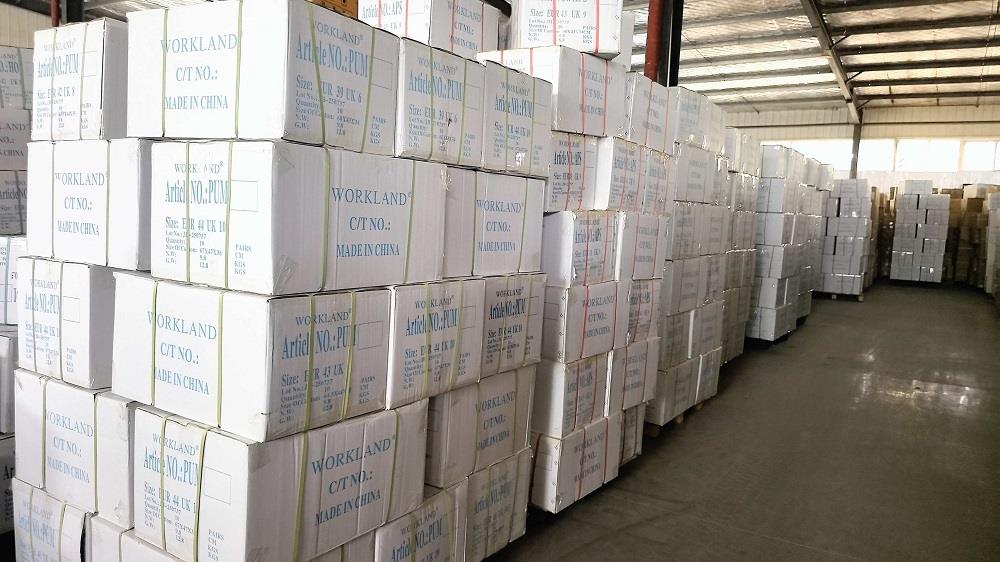
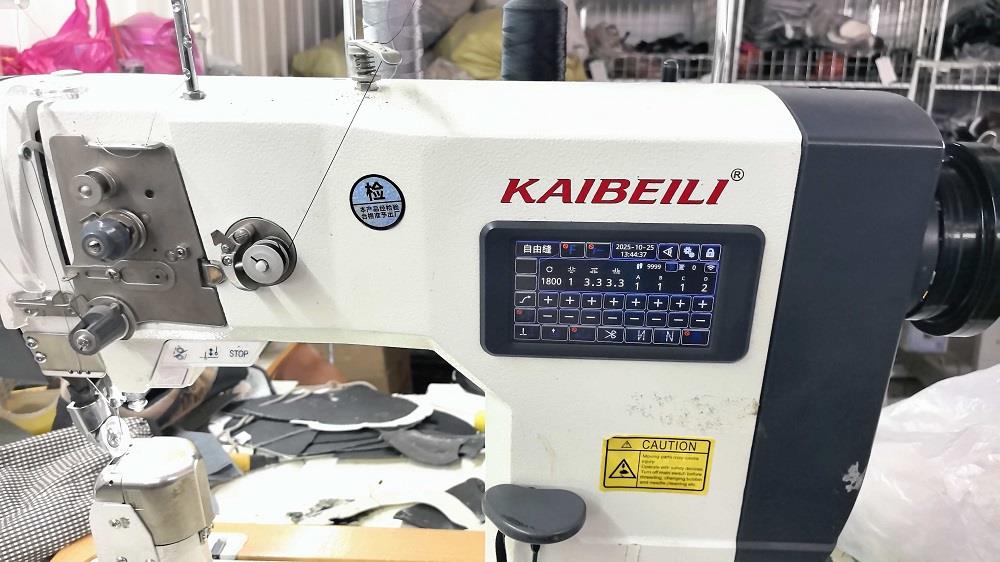
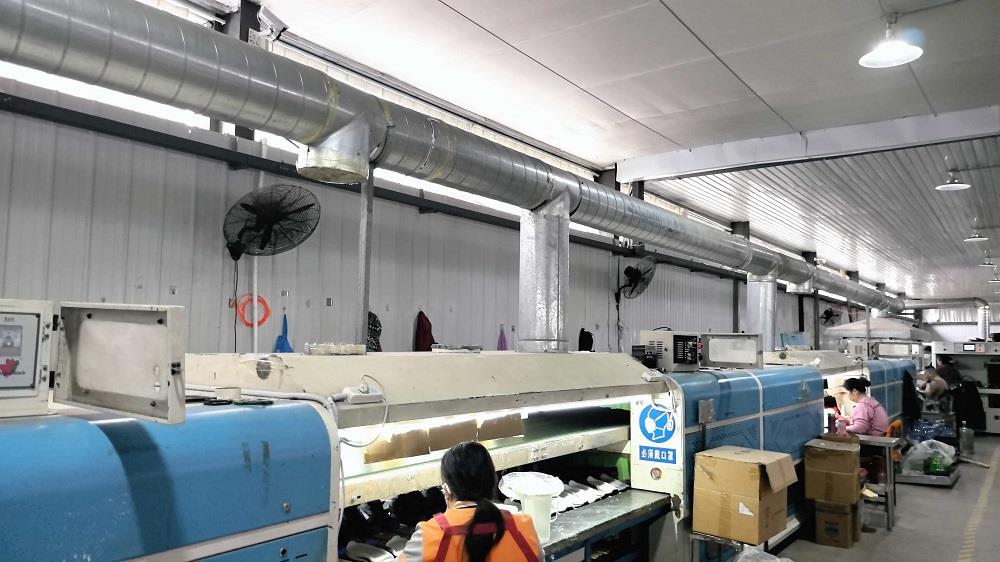
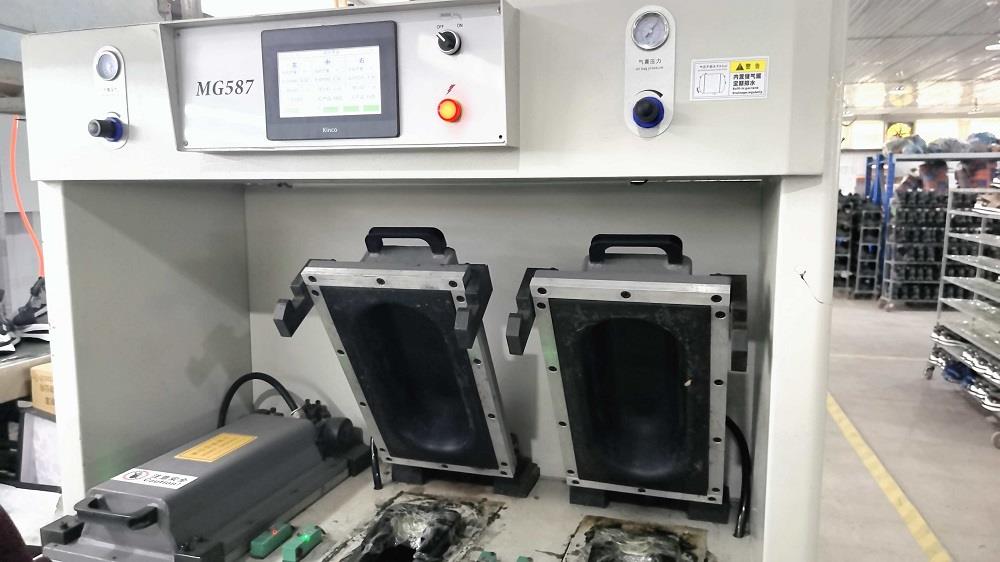
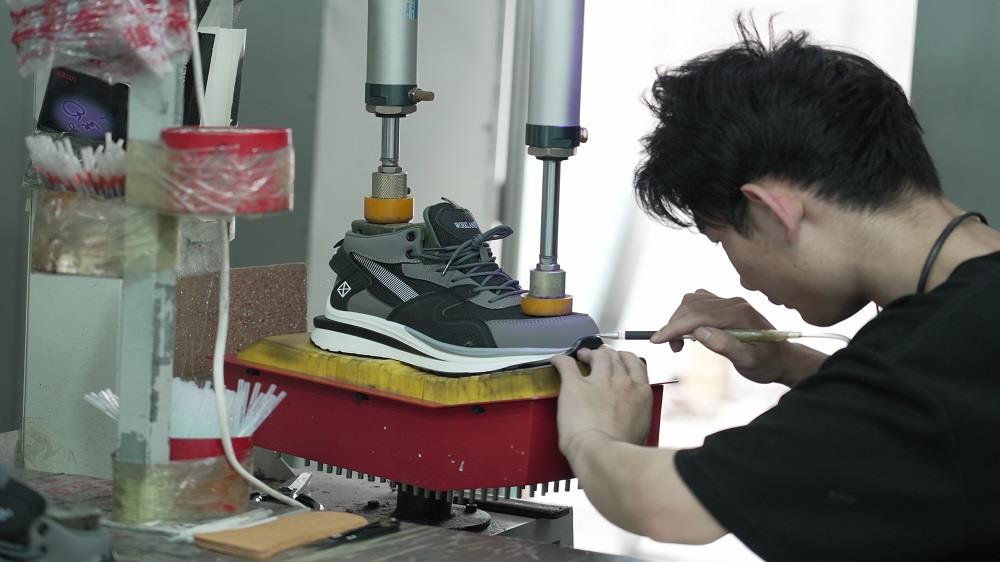
To maintain our reputation for reliability, Weifang Lento Shoe Co., Ltd. monitors every stage of shoe production. By dividing operations into specialized, machine-supported divisions, we reduce structural defects, ensure consistent sizing, and maintain high bonding strength. The following image gallery outlines our production flow:
Expert answers to common technical queries from procurement teams and safety officers
Explore our highly certified product range designed to meet rigorous industrial specifications
 Lento Shoe