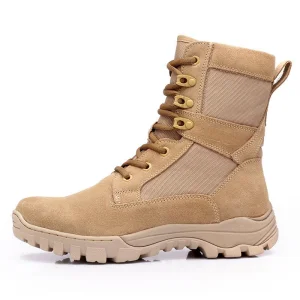
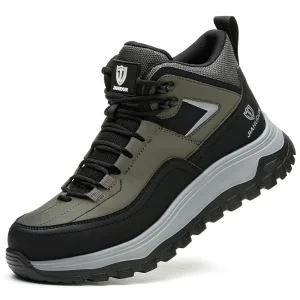
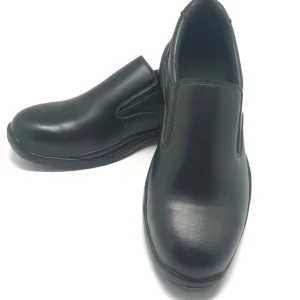
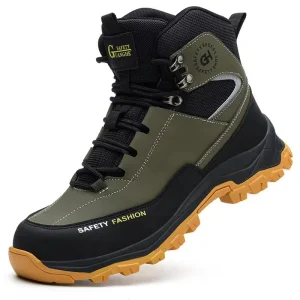
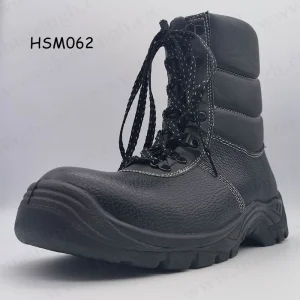
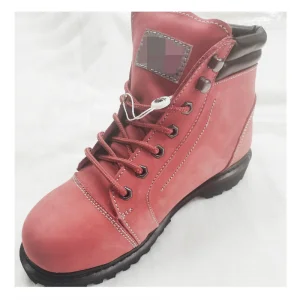
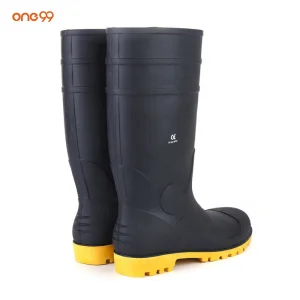
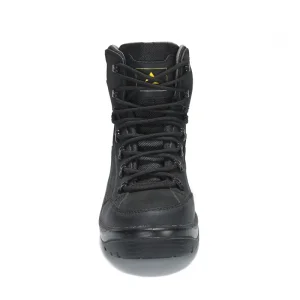
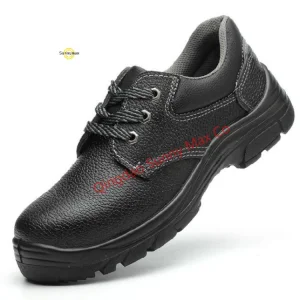
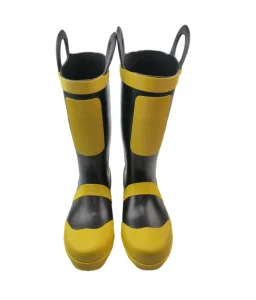
China Top Skid-Resistant Footwear Factories & Exporter

Precision Engineering, Superior Slip Resistance, & E-E-A-T Safety Standards by Weifang Lento Shoe Co., Ltd.

The Science of Slip Resistance: Global Standards & Industry Landscape

A comprehensive analysis of dynamic friction, outsoles, polymer science, and safety norms driving global demand for skid-resistant footwear.

Slip and trip accidents constitute over 35% of all reported major injuries in heavy industries globally. As regulatory frameworks tighten across the Americas, Europe, and Asia-Pacific, manufacturing slip-resistant footwear has shifted from simple tread-pattern alterations to a highly sophisticated science combining polymer engineering, tribology, and ergonomic design.
0.62+
CoF on Wet Ceramic
100%
CE & ASTM Compliant
10+
Years R&D Experience
50+
Countries Exported

1. Understanding the Tribology of Safety Outsoles

Skid-resistance is quantified by the Coefficient of Friction (CoF). When a shoe contacts a surface, the presence of liquid lubricants (water, oil, grease) forms a thin barrier that causes hydroplaning. Our R&D at Weifang Lento focuses on defeating hydroplaning through three key micro-structures:

Tread Channels & Grooves

Optimized drainage paths designed using computational fluid dynamics (CFD) to evacuate liquid from beneath the outsole profile within milliseconds of heel-strike.

Micro-Siping Technology

Razor-cut sipes embedded in rubber treads that expand under pressure, creating clean contact points with the substrate, bypassing oily or greasy surface barriers.

Polymer Micro-roughness

Infusing specialty Nitrile Rubber (NBR) and Polyurethane (PU) matrices with micro-textures to increase direct dry-to-dry surface contact area.

2. Regulatory Matrix: EN ISO 20345:2022 and ASTM F2913-19

To maintain export supremacy, Weifang Lento shoes are tested against the world’s most stringent protective footwear standards. The updated EN ISO 20345:2022 standard introduced revamped slip resistance testing parameters, phasing out the old SRA, SRB, and SRC terminology in favor of a universal SR classification. Our laboratory performs real-world simulations testing footwear on ceramic tile lubricated with Glycerin, ensuring our outsoles meet the mandatory minimum safety indices easily.

Standard Category Test Surface Conditions Required CoF (Dynamic) Lento Performance Index
EN ISO 20345 (SR-Ceramic) Ceramic tile + Glycerin (heel & flat slip) ≥ 0.36 (Flat) / ≥ 0.31 (Heel) 0.44 - 0.52 (Exceeds Standard)
ASTM F2913-19 Saturated wet tile / Quarry tile with oil ≥ 0.50 (General safety) 0.68 (High-Traction series)
AS 2210.3 (APAC) Detergent-coated industrial floors ≥ 0.32 (Heel) 0.41 (Heavy Duty PVC/Rubber)

E-E-A-T Technical Insight:

ASTM F3445-21 is the newest slip resistance standard that establishes performance requirements for slip-resistant footwear. Weifang Lento’s dedicated materials laboratory tests every batch of our custom rubber compounds to guarantee that these standards are met continuously before any container leaves the port of Qingdao.
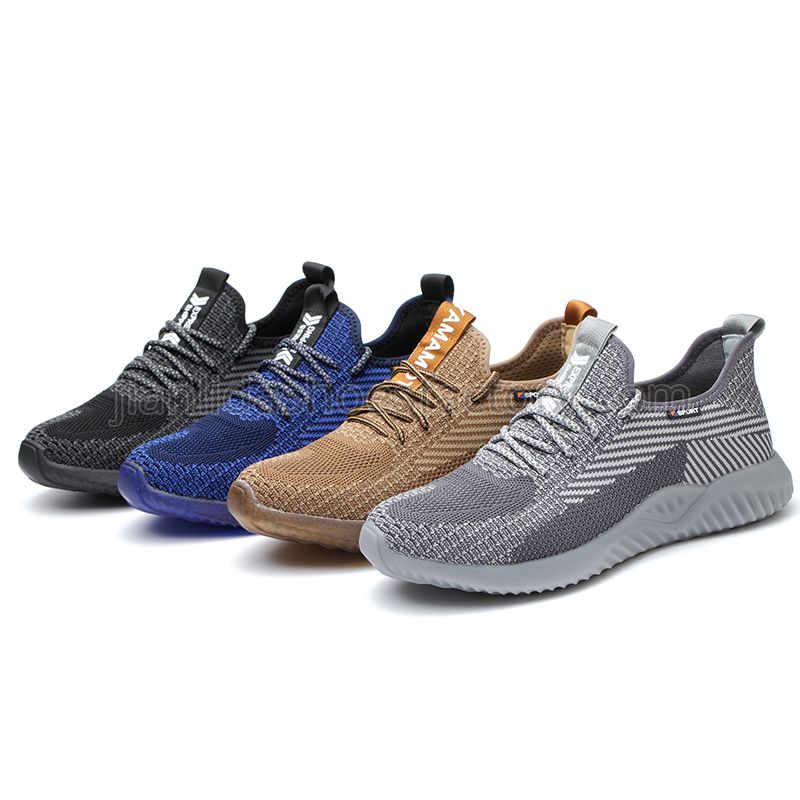
Weifang Lento Shoe Factory Facility

About Weifang Lento Shoe Co., Ltd.

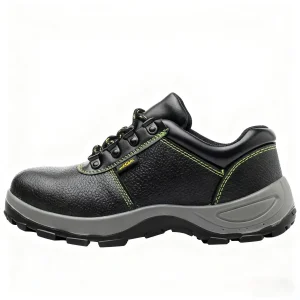
Located in the industrial manufacturing hub of Weifang, Shandong, Weifang Lento Shoe Co., Ltd. is a leading manufacturer in the global personal protective equipment (PPE) footwear sector. Specializing in high-performance work shoes, steel toe safety boots, water-repellent tactical shoes, and customized corporate label footwear solutions, we have earned a global reputation for technological innovation, rigorous testing, and customer-first service.

By combining classic shoemaking craftsmanship with advanced machinery (including direct injection processing and cold adhesive applications), our annual output reaches millions of pairs. We cater to safety distribution channels, corporate buyers, and custom fashion brands in over 50 countries, positioning ourselves as your premier supply chain partner in China.

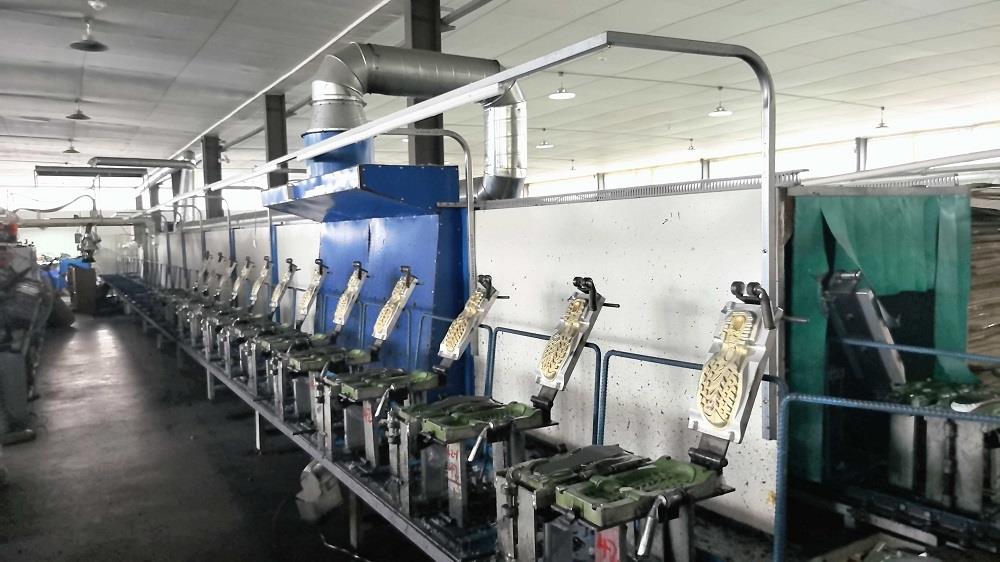
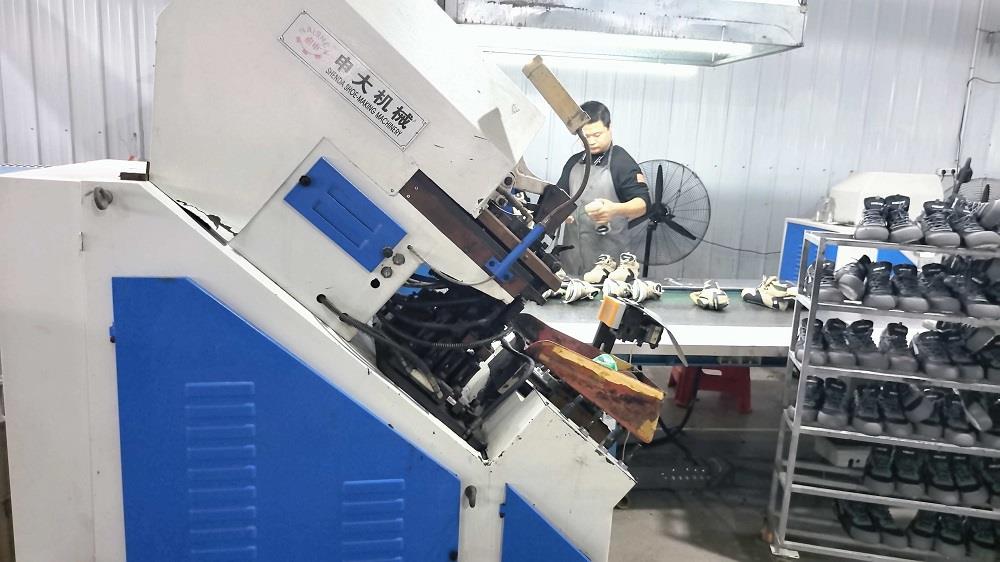
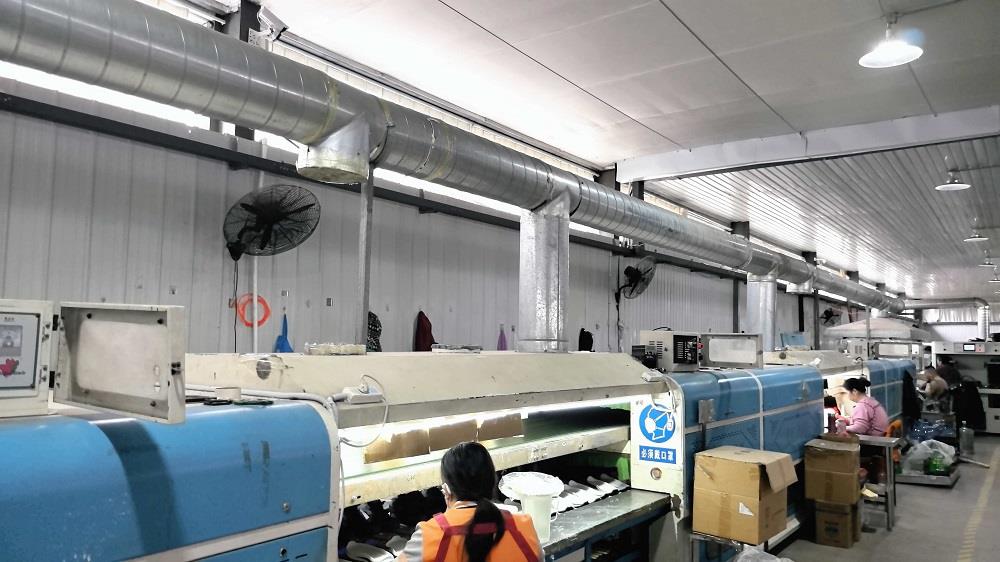
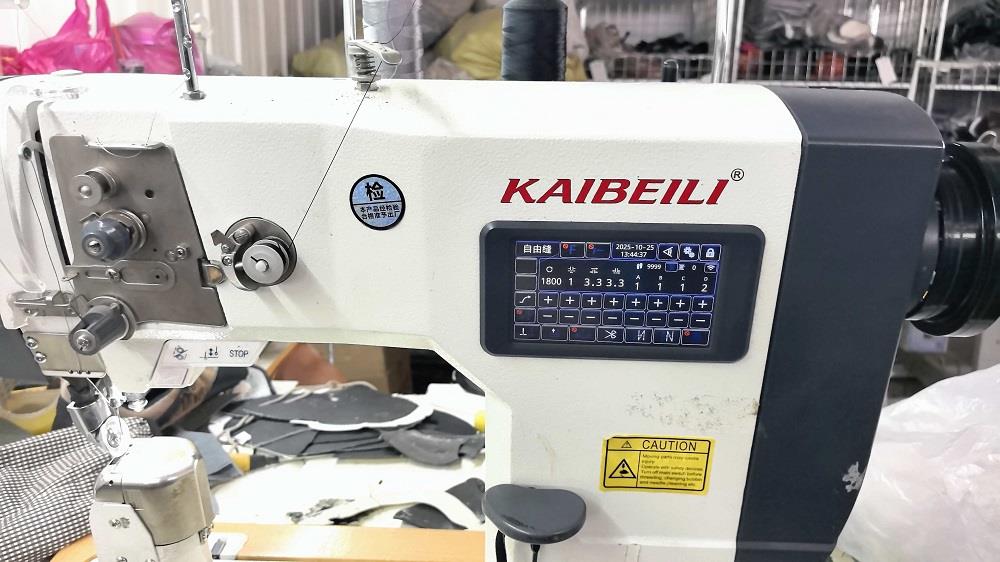
Industrial Production Lines & Advanced Process Control

From initial design and robotic cutting to vulcanization, injection molding, and final packing: a visual tour of our Weifang Lento manufacturing facility.
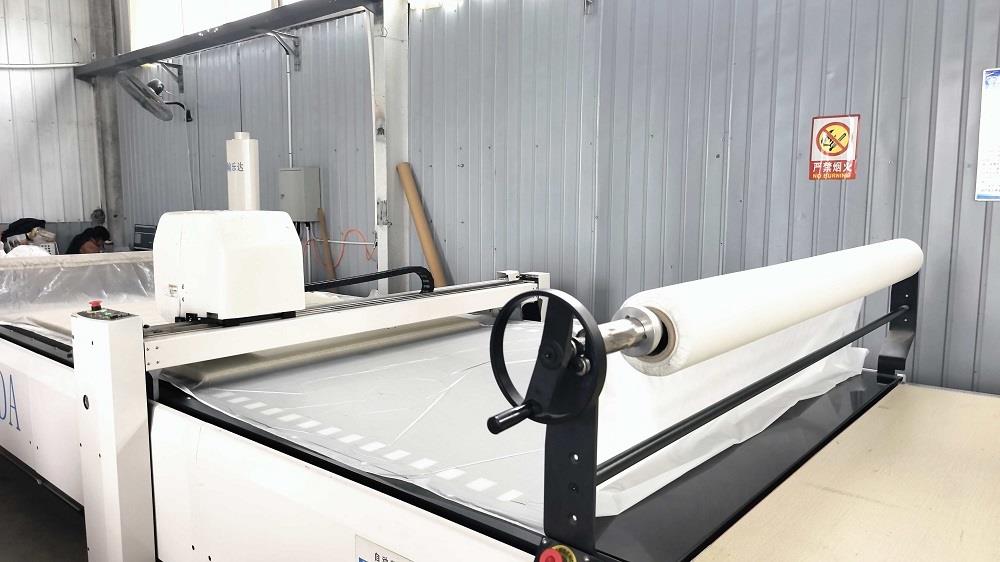
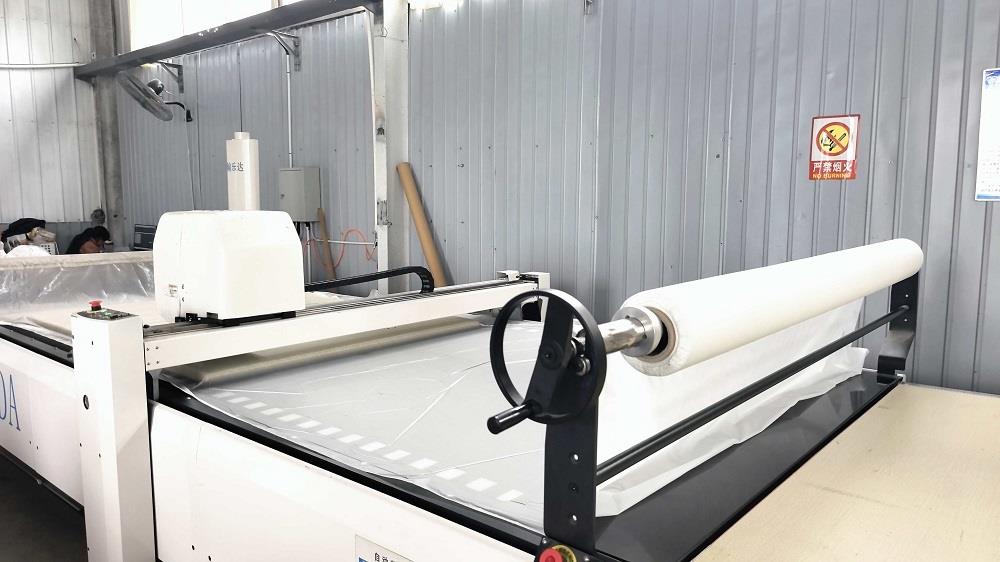
Cutting Process
Cutting Process
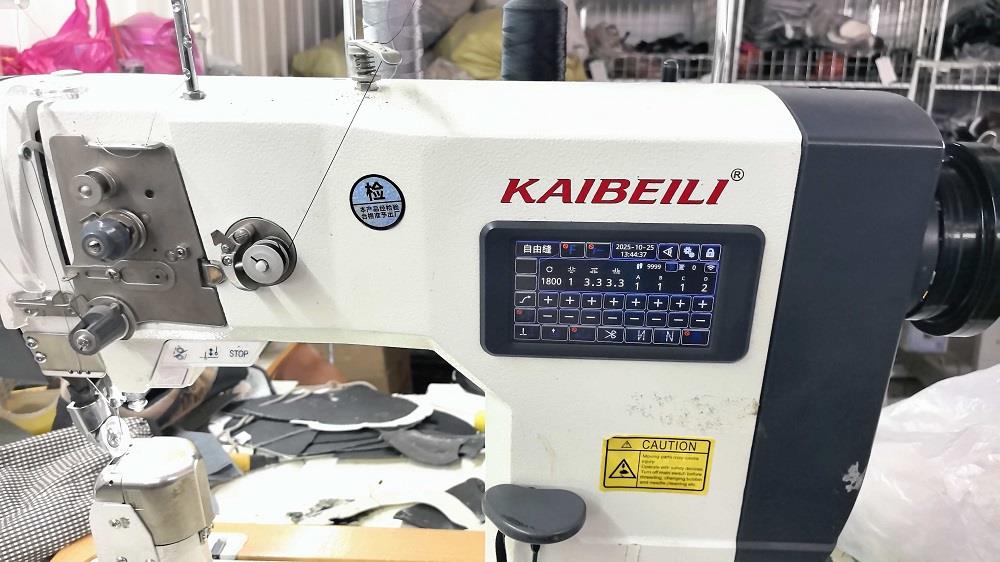
Sewing Process
Sewing Process
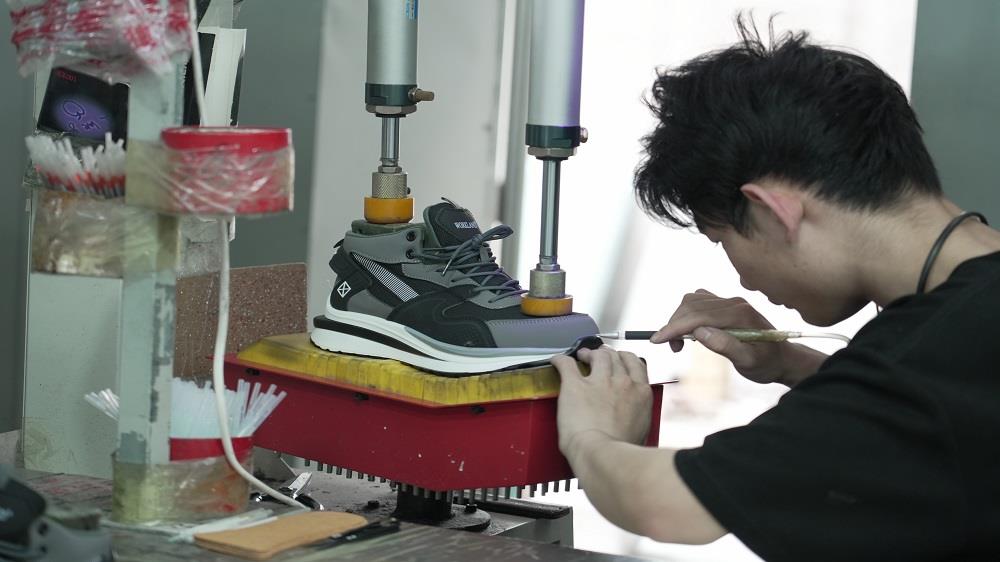
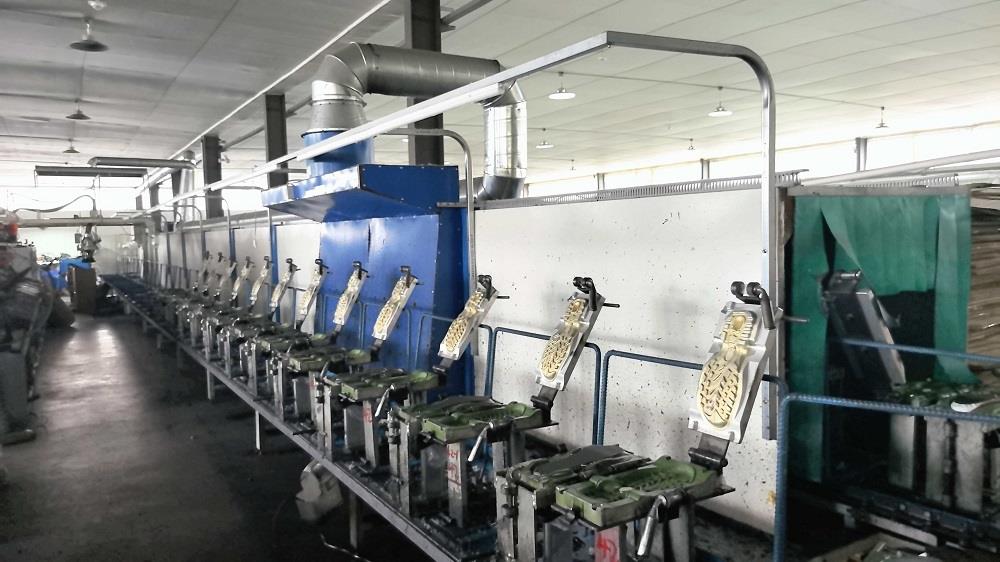
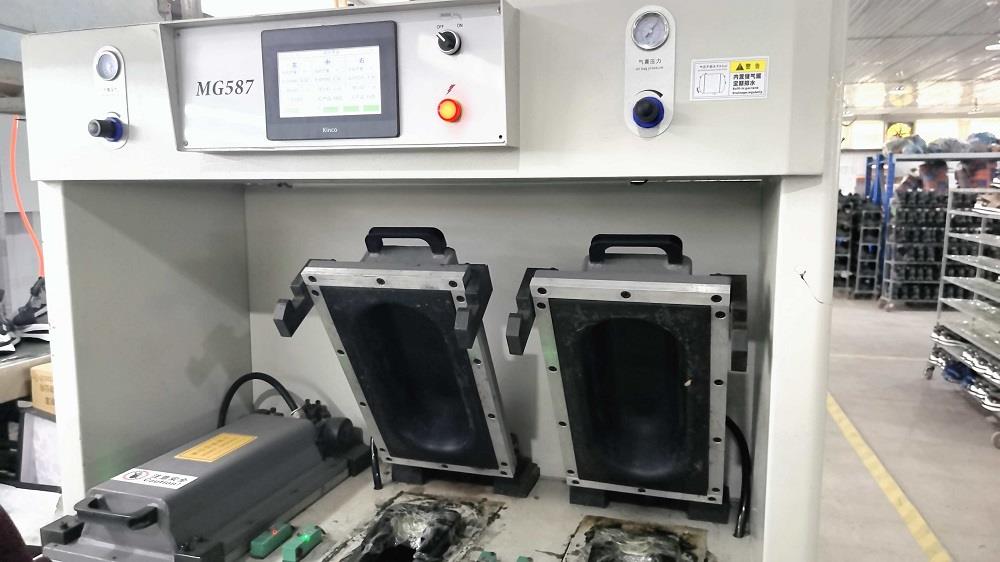
Injection Process
Injection Molding
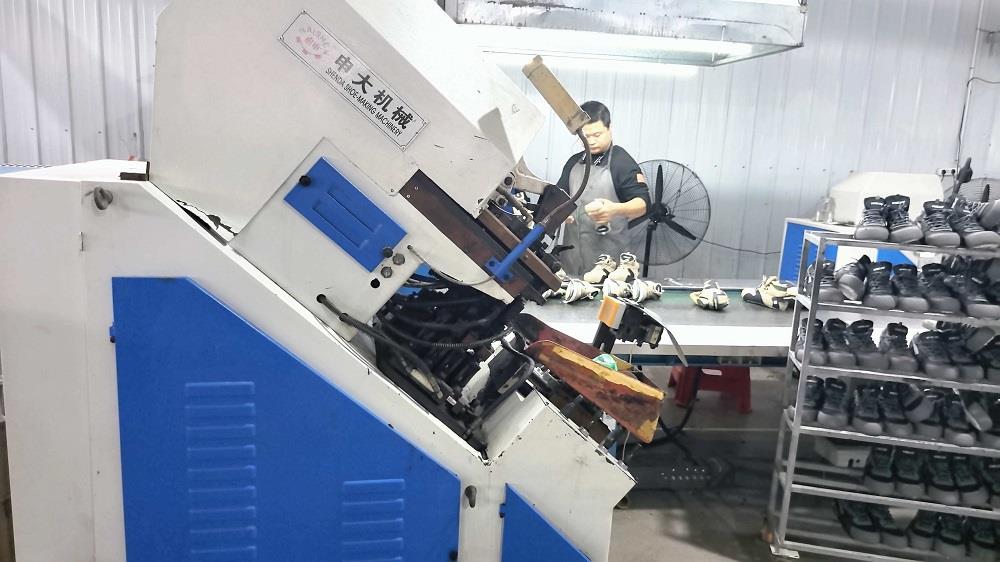
Pulling Machine
Pulling Machine
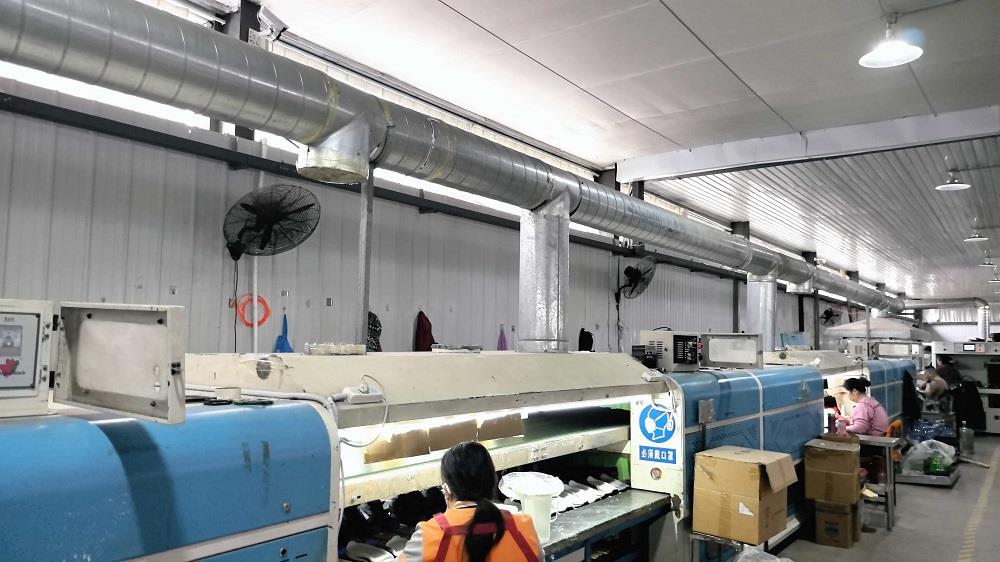
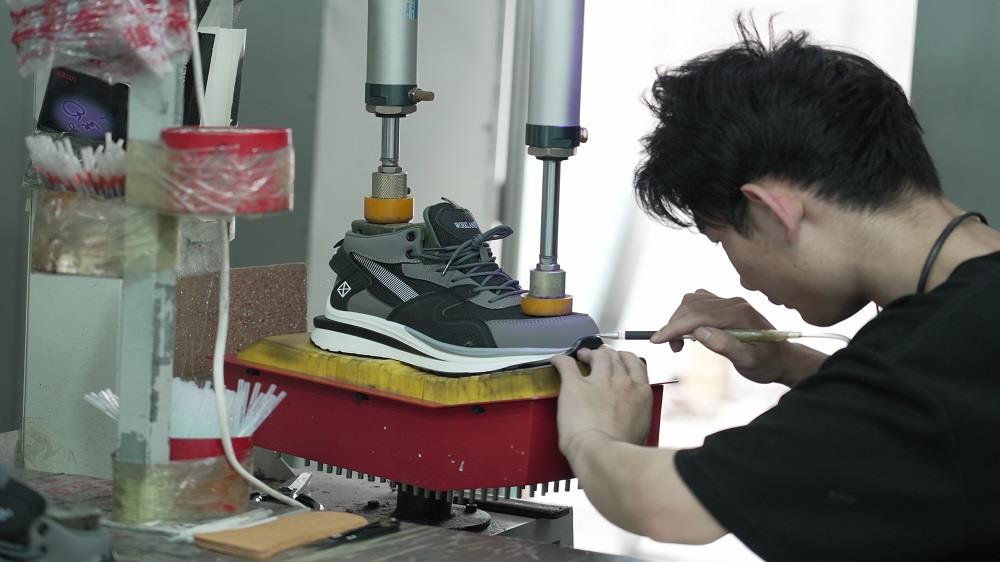
Cold Bonding
Cold Bonding
Lamination
Lamination Process
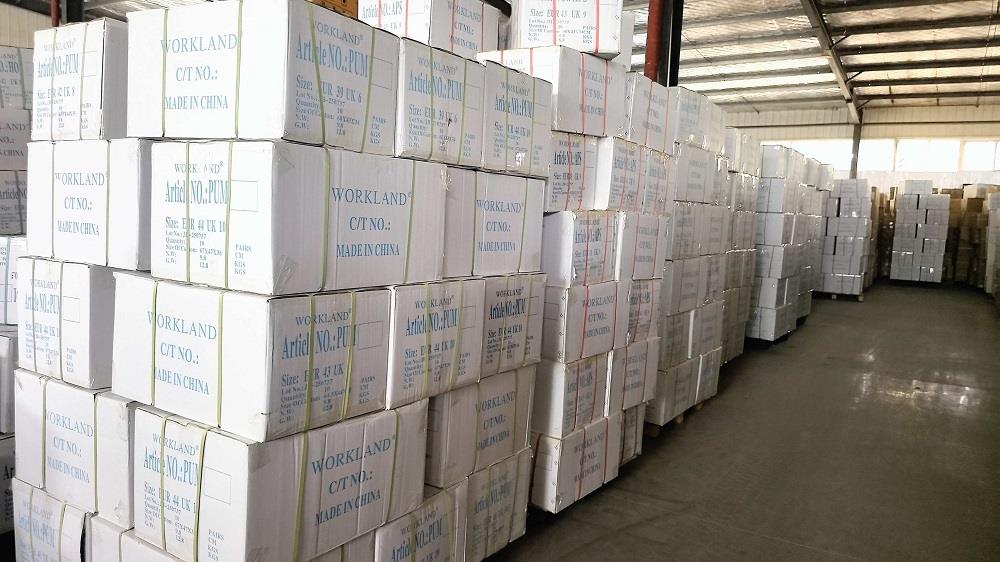
Packing
Final Packing
Automatic Cutting Machine
Auto-Cutting Machine
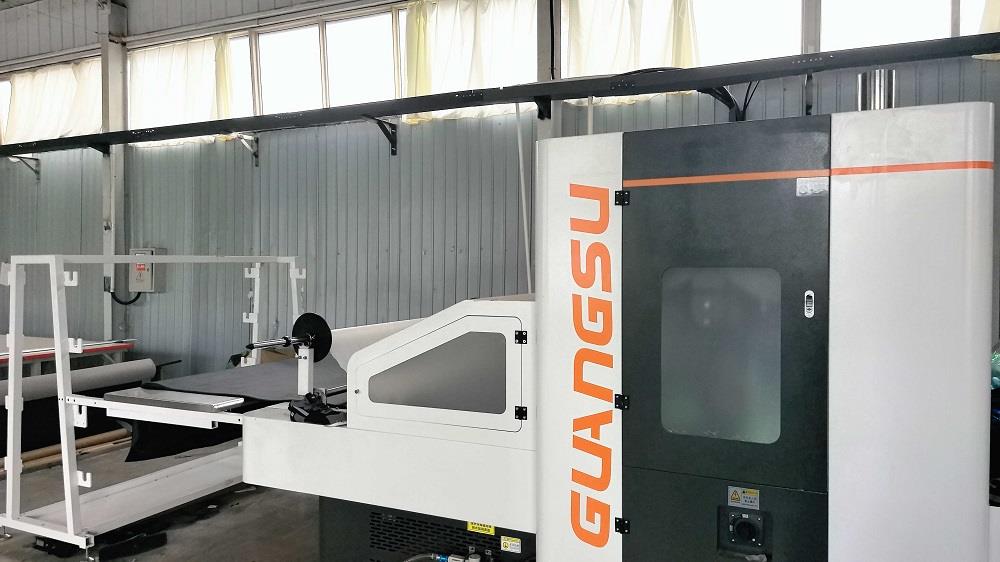
Cutting Machine
Cutting Unit
Sewing Machine
Advanced Sewing
Injection Line
Injection Line
Pulling Machine 2
Secondary Puller
Cold Adhesive Line
Cold Adhesive Line
Compression Machine
Outsole Compression
Line Drawing Machine

3. Localized Applications Across Global Industries

Skid-resistant footwear is not a one-size-fits-all product. Different operating environments require specific configurations of compounds and tread depths:

  • Oil Rigs & Petrochemical Plants: In these high-contamination zones, our safety boots are crafted with specialized Nitrile Rubber (NBR) compounds that prevent hydrocarbon swelling, keeping tread configurations intact under continuous fuel exposure.
  • Commercial Kitchens & Food Processing: These environments present slippery combinations of water, animal fat, and liquid dish soaps. Our anti-slip work shoes utilize closely packed micro-treads that release fat build-up and achieve higher coefficient margins on wet quarry tiles.
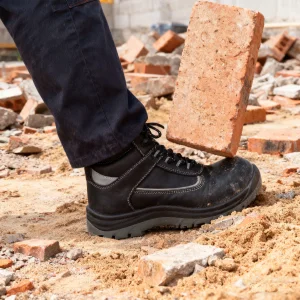
  • Heavy Construction & Infrastructure: Our models combine steel or composite toes with puncture-resistant Kevlar midlayers. Deep-lug slip-resistant outsoles provide self-cleaning channels to shed mud, clay, and gravel.
  • Logistics & Warehouse Operations: For workers logging over 15,000 steps daily on polished concrete floors, we focus on lightweight athletic-style safety sneakers featuring energy-absorbing EVA midsoles wrapped in a high-traction rubber outsole.

4. China Supply Chain Resilience & Weifang Cluster Advantages

Operating out of Weifang, Shandong, Weifang Lento Shoe Co., Ltd. leverages the robust industrial footwear ecosystem of East China. This geographical positioning gives us critical operational advantages:

Our factory enjoys direct integration with regional steel mills for high-strength steel cap fabrication, high-purity polyurethane refineries for injection-grade soles, and specialized packaging manufacturers. By maintaining integrated manufacturing lines under one roof—from automated leather cutting to injection molding and vulcanization—we reduce supply-chain latency by 20% to 30% compared to Western manufacturers. This efficiency translates to highly competitive wholesale pricing, flexible minimum order quantities (MOQs), and reliable shipping schedules.

5. Technology Roadmap: Smart Compounds & Future Outlook

The next era of safety shoes is defined by material lightweighting and intelligent performance compounds. Our research and development roadmaps focus on:

  • Graphene-Reinforced Rubber: Integrating graphene nanoplatelets to double the abrasion resistance of rubber soles while maintaining high elasticity and non-slip performance.
  • Thermoplastic Elastomer (TPE) Hybrids: Developing eco-friendly, recyclable outsoles that match traditional vulcanized rubber’s slip resistance profile with a 30% reduction in overall carbon footprint.
  • Active Traction Tread Designs: Engineering sole geometry that responds to temperature extremes, preventing compound hardening in sub-zero freezer warehouses.

Expert FAQ: Technical Guidance for Procurement & Distribution

Detailed insights to resolve frequent engineering, testing, and shipping questions for industrial sourcing agents.

What is the main difference between SRA, SRB, and SRC slip resistance levels?
These markings refer to the testing substrate. SRA indicates the footwear was tested on ceramic tiles coated with a diluted soap solution (sodium lauryl sulfate). SRB indicates the footwear was tested on smooth steel coated with glycerol. SRC indicates the footwear passed both tests. Under the updated EN ISO 20345:2022 standard, these are combined into a single, standardized SR rating which uses an updated ceramic-glycerin test setup that is much more representative of severe real-world environments.
How does Weifang Lento ensure compliance with ASTM and CE safety standards?
We follow a dual-track quality control system. Our internal laboratory tests raw polyurethane and rubber compounds for tear strength, flex crack resistance, and dynamic CoF. Secondly, we batch-submit our footwear to independent third-party laboratories (such as SGS, Intertek, and SATRA) for official certification. We supply comprehensive testing certificates and declarations of conformity (CE EN ISO 20345 and ASTM F2413) with every bulk delivery.
Can Weifang Lento accommodate custom private labels and OEM requirements?
Yes. We offer fully integrated OEM/ODM capabilities. We can customize outsoles, mold logo designs, integrate specific protective elements (e.g., steel or composite toes, metatarsal guards, Kevlar midsoles), and print customized packaging. We also support custom-fitted comfort insoles, color schemes, and specialty stitching patterns tailored to match your brand's style guide and target market price points.
What is the standard lead time for wholesale exports?
Lead times depend on order complexity and custom tooling. Generally, for standard catalog designs, the typical turnaround is 30 to 45 days after deposit confirmation. Custom OEM projects requiring new outsole mold casting may take an additional 15 to 20 days. We ship out of Qingdao Port, offering convenient, cost-effective container routes to key destinations in Europe, North America, the Middle East, and Australia.