Work boots protect your feet through concrete dust, rain, oil, sharp edges, and long shifts. Yet many pairs fail sooner than expected. The question “how long do work boots usually last” has no single answer. Quality, job demands, fit, maintenance, and daily wear all matter. A warehouse worker may keep boots for 12 to 18 months. A construction worker facing mud and heavy impact may need replacements within six months.
Fast wear often begins in small places. The heel may lean outward after repeated walking. The toe cap may crease until water enters. Stitching can loosen near the flex point, while the outsole loses its deep tread. Wet leather also becomes stiff when it dries without conditioning. These details reveal more than a manufacturer’s lifespan estimate. They show how the boots actually perform on the job.
This guide examines practical reasons work boots wear out quickly. It also explains realistic service-life ranges for different working conditions. Recommendations will consider construction experience, boot materials, safety features, and basic maintenance standards. Still, some advice deserves honest reflection. Expensive boots do not always survive poor fit or constant neglect. Even durable leather cannot compensate for standing water every day. Checking tread depth, sole separation, comfort, and moisture protection can help workers replace boots before discomfort becomes an injury risk. The best lifespan is not the longest one. It is the period when the boots still provide reliable support, traction, and protection.
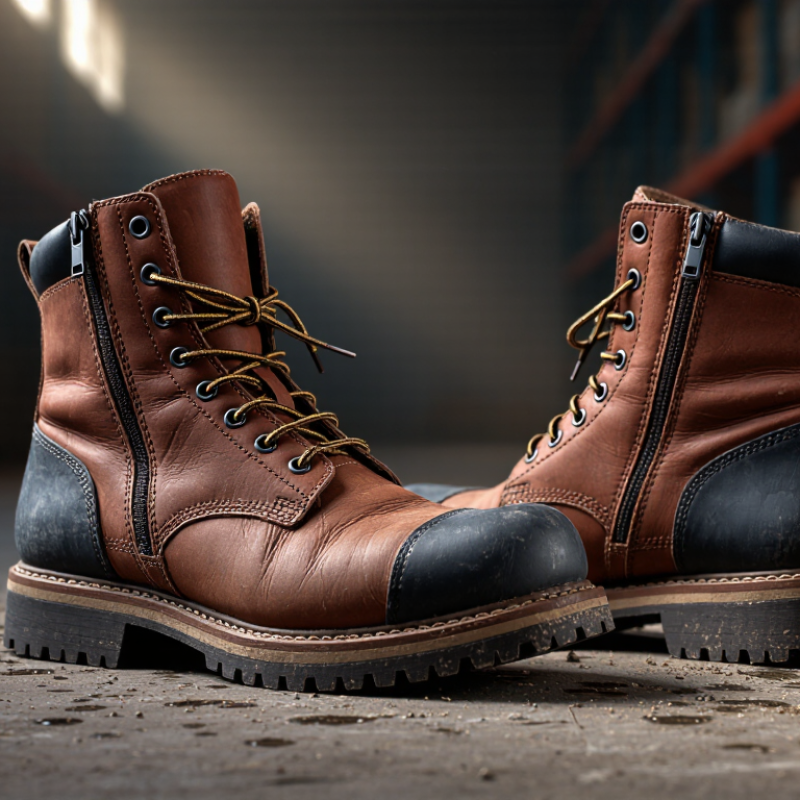
Work boot lifespan depends less on the calendar than on daily punishment. In my experience, warehouse boots may last 12 to 18 months, while outdoor pairs can fail sooner. Mileage matters more than appearance. Eight-hour shifts on concrete compress cushioning and bend the same flex points repeatedly. Wet soil, road salt, heat, and chemical splashes can weaken leather, stitching, and soles. A clean boot may still be tired inside.
Material and construction strongly influence durability. Full-grain leather usually handles abrasion well when conditioned properly. Breathable fabric may feel cooler but can tear faster around sharp surfaces. A secure fit also matters. Too much heel movement creates rubbing and stresses the lining. Too-tight boots crease aggressively across the toe box. The wearer’s workload changes everything. Carrying heavy materials, climbing ladders, or kneeling often can shorten boot life.
Maintenance can add useful months. Remove mud after each shift, dry boots away from direct heat, and rotate between two pairs when possible. Small repairs help. I once kept wearing boots after the sole began separating, assuming they still looked serviceable. That was poor judgment. A loose sole, exposed safety toe, cracked midsole, or damaged slip-resistant tread deserves immediate attention. Check the inside too. Flattened cushioning and persistent foot fatigue often reveal failure before visible damage appears. Even careful estimates remain imperfect, because climate, body weight, walking style, and job surfaces vary widely.
Work boots can wear out faster than expected because jobsite stress is rarely consistent. Eight hours on concrete creates repeated flexing under the forefoot. Wet floors swell leather, while heat dries it and encourages cracking. Fine dust also works into seams, eyelets, and outsole grooves.
A six-month replacement rule sounds useful. It is not.
The Liberty Mutual 2024 Workplace Safety Index estimated that serious workplace injuries cost U.S. employers $58.5 billion in 2022. Its findings emphasize falls, overexertion, and struck-by incidents, where worn traction can increase exposure to hazards. The report does not assign a fixed boot lifespan. That matters. Lifespan depends on walking distance, load weight, surface abrasion, moisture, and maintenance.
The American Podiatric Medical Association commonly uses 300 to 500 miles for athletic-shoe replacement, but work boots face different forces. Their leather, protective toe structure, and industrial outsole can fail unevenly. A boot may look clean while its tread has become smooth under the heel. Another may still have deep tread but show a crushed midsole, loose stitching, or a bent toe cap. OSHA’s personal protective equipment guidance requires inspection before use, which supports condition-based replacement rather than calendar-based guessing. Check the outsole, heel stability, waterproof barrier, stitching, and internal support weekly. If your heel slips, your foot stays damp, or the sole separates, the boot has probably lasted long enough. The honest answer is disappointing: heavy-duty boots may last three months, while lighter-duty pairs can exceed a year.
The outsole and heel usually show wear first. Daily walking grinds down the heel edge, especially on concrete or metal stairs.
A 2023 U.S. Bureau of Labor Statistics report recorded about 2.6 million nonfatal workplace injuries and illnesses in private industry. That figure reinforces one point: footwear faces repeated, demanding use.
When the tread becomes shallow, traction can decline before the boot looks badly damaged.
The toe area often wears next. Repeated kneeling creates cracks, scuffs, and separation around the toe cap.
ASTM F2413 evaluates impact and compression performance, but it does not promise a fixed service life.
That distinction matters.
Certification is not durability insurance. The upper commonly fails at flex points, where leather or synthetic layers crease thousands of times.
Watch for exposed stitching, loose eyelets, and a lining that feels rough against the heel.
Inside the boot, the insole may flatten before the outer materials fail. Your foot may feel tired, tilted, or less supported.
Practical inspections should check both boots, not only the visibly damaged one. I have seen workers replace boots for surface scratches while ignoring compressed heels.
That judgment is imperfect.
A monthly check of tread depth, seams, toe structure, and interior cushioning gives better evidence than appearance alone.
Severe cracking means replacement deserves priority.
Work conditions often decide how fast work boots fail. A dry warehouse may let a pair last 12 to 24 months, while wet concrete, abrasive dust, or daily climbing can reduce that period sharply. Heat softens adhesives, standing water damages leather, and oil can make outsoles swell or lose grip. I have seen boots look acceptable above the sole while their midsoles felt flat and lifeless.
The U.S. Bureau of Labor Statistics reported 888,220 private-industry cases involving days away from work in 2023. Its data does not isolate boot failures, but it shows why traction and support deserve regular checks.
ASTM F2413-23 covers performance requirements for protective footwear, including impact and compression resistance. Compliance is not permanent. Wear changes the protection.
Inspect the boots weekly. Look for exposed toe caps, deep outsole cuts, separated stitching, and smooth tread under the ball of the foot. A construction worker walking through wet cement faces different damage from a warehouse employee on polished floors.
Chemical exposure needs extra caution; some materials deteriorate without obvious cracking. Replace boots when water enters, the heel tilts, or foot pain appears after a normal shift.
That schedule may feel wasteful. Still, waiting for a dramatic tear is a poor test. Some “one-year” estimates are too neat, because workload, cleaning habits, body weight, and storage conditions vary.
Work boots often fail at the toe, heel, or flex points before the leather looks ruined. Daily moisture, abrasive dust, and repeated bending accelerate that damage. I have found that drying habits matter more than many workers expect.
Remove the insoles after a wet shift. Open the tongue and let air reach the lining. Never place boots against a heater. Heat can stiffen leather and weaken adhesives.
Give them a full day to dry when possible. A second pair helps. It may seem expensive, but alternating pairs reduces trapped moisture and allows materials to recover.
Clean mud with a soft brush before it hardens. Use a damp cloth for salt marks, then dry the boots naturally. Apply a conditioner suited to the boot’s material, especially around flexing areas. Too much product can soften structure and attract grit.
I learned that mistake the hard way. Check the outsole weekly. Replace worn laces early, because loose fit increases creasing and heel slip.
Keep the foot stable, but do not overtighten across the instep. Inspect stitching and toe caps during these checks. Small separations are easier to repair than neglected damage.
Use boots for their designed work environment. Smooth soles can become unsafe on wet floors, even when the upper looks healthy.
Rotate insoles if they stay damp or compressed. Let a qualified repair professional assess serious sole separation or damaged safety components.
Do not continue working in boots that no longer protect your feet. Record when each pair gets wet, cleaned, or repaired. This simple note can reveal poor routines, although I still sometimes forget it.
With consistent care, boots usually last longer, but harsh conditions will shorten any estimate.
The outsole and heel often wear first. Daily walking grinds down heel edges. Concrete and metal stairs can accelerate this damage. Check the tread before the boot looks badly damaged.
There is no fixed service life. Job conditions, moisture, bending, and walking distance change the answer. Certification measures protection, not guaranteed durability. Harsh work shortens every estimate.
Look for shallow tread and smooth heel areas. Test the outsole visually on both boots. Smooth soles may become unsafe on wet floors. Appearance can mislead.
Kneeling can cause toe cracks, scuffs, and separation. Inspect the toe structure during monthly checks. Small gaps are easier to address than neglected damage. Check both boots.
Flex points receive thousands of bends. Watch for exposed stitching, loose eyelets, and cracked material. A rough heel lining may create irritation. These signs deserve attention.
Yes. Insoles may flatten while the upper still looks healthy. Tired feet, tilted footing, or reduced support can reveal this problem. Inspect cushioning, not only scratches.
Remove the insoles after a wet shift. Open the tongue so air reaches the lining. Dry boots naturally for a full day when possible. Never place them against a heater.
Yes, if one pair dries while you wear the other. Rotation reduces trapped moisture and gives materials recovery time. It costs more at first. I still sometimes forget to rotate them.
Brush off mud before it hardens. Use a damp cloth for salt marks. Apply suitable conditioner around flexing areas. Too much product can soften structure and attract grit.
Severe cracking, poor traction, serious sole separation, or damaged protective components require priority. Do not keep working in boots that no longer protect your feet. A qualified repair professional can assess serious damage. Scratches alone may not matter.
Work boot lifespan depends on construction quality, materials, fit, maintenance, and the demands of the job. When asking “how long do work boots usually last,” a practical answer is often several months to a few years, though heavy daily use, rough terrain, moisture, chemicals, and long hours can shorten that period. Poor fit and repeated bending may also cause premature damage. The sole, heel, toe area, stitching, insoles, and waterproof layers are usually the first components to show wear.
To extend service life, choose boots suited to the working environment and ensure they fit securely without pressure points. Clean away dirt regularly, dry them naturally, condition suitable leather, and replace worn insoles or laces when needed. Rotating between two pairs can give each pair time to air out and recover. Inspect the soles, seams, and protective features frequently, and replace the boots when their support, traction, or protection has significantly declined.
