Kitchens are built for speed, heat, water, and constant movement. Those conditions create a serious question: why are slip resistant shoes required in kitchens? The answer begins with traction. Grease, broth, ice, detergent, and flour can turn a clean-looking floor into a sliding surface within seconds. A rushed step near a fryer may cause a fall, sprain, burn, or collision with another worker.
The Liberty Mutual 2024 Workplace Safety Index reported that same-level falls cost U.S. employers about $10.5 billion in serious workplace injuries, based on 2022 data. OSHA also identifies slips, trips, and falls as major hazards in general industry. These reports do not prove that every kitchen requires one exact shoe design. Requirements can depend on an employer’s risk assessment, insurer, or local workplace rules. That distinction matters.
Former OSHA Assistant Secretary Dr. David Michaels has said, “The best way to protect workers is to prevent hazards before they occur.” Slip-resistant footwear supports that prevention strategy. Its outsole helps increase grip when moisture or oil appears underfoot. Closed toes also provide practical protection from dropped pans and splashing liquids.
Still, shoes are not magic. They cannot replace prompt spill cleanup, proper drainage, floor maintenance, or sensible walking habits. Even certified footwear can lose traction when its tread is worn smooth. That uncomfortable detail deserves attention. A safe kitchen depends on layered controls, not one purchase. The right shoes reduce risk, but daily judgment completes the protection.
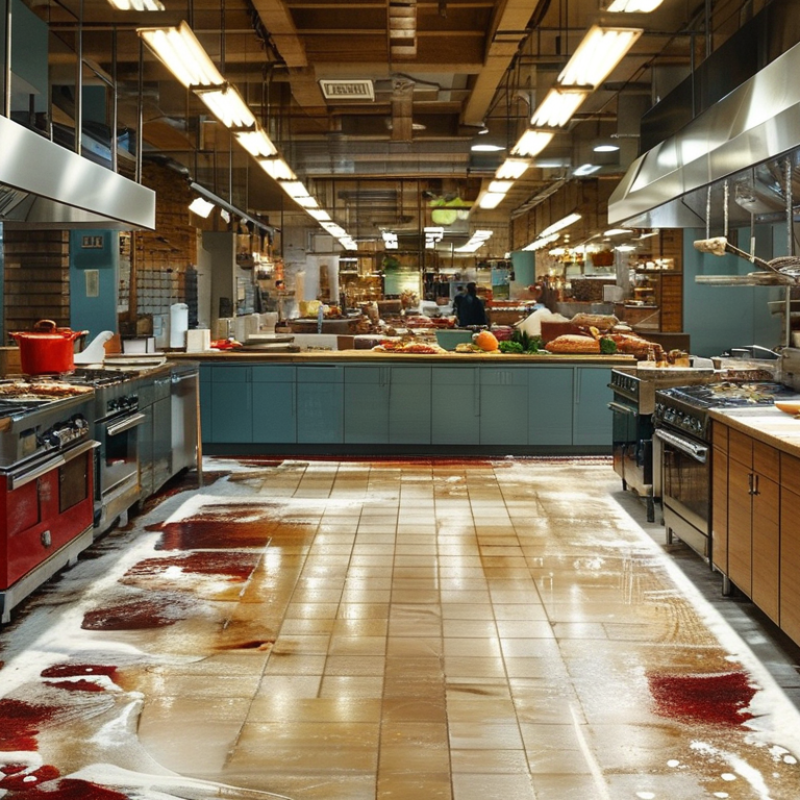
Slip-resistant shoes are built to reduce sliding on wet, greasy, or food-covered kitchen floors. Their outsoles use patterned channels and softer rubber compounds to push liquid away from the contact area. This helps the shoe grip the floor instead of floating across a thin film. The design matters most during quick turns, heavy carrying, and sudden stops.
Kitchen floors are rarely clean for long. Water gathers near sinks, oil spreads beside fryers, and small food scraps hide underfoot. Slip-resistant footwear gives workers more control in these conditions. It may also support safer movement during long shifts, especially when the midsole provides stable cushioning. However, the shoes do not make a floor harmless. Worn tread, hardened rubber, or loose debris can still cause a fall.
Safety professionals usually check the outsole pattern, material, fit, and workplace testing information. Employers may require this footwear under local rules, insurance policies, or internal safety procedures. Requirements differ by location and job risk. A practical check is simple: inspect the tread before each shift, remove stuck food, and replace shoes when the grooves look shallow. Shoes that feel secure today may perform poorly after months of heat, grease, and washing. That is easy to overlook. A better design cannot replace careful cleaning, sensible walking speed, and attention near wet areas.
A practical data table covering kitchen slip hazards, footwear design, safety requirements, and correct use
| Data Dimension | Verified Fact or Typical Specification | Why It Matters in a Kitchen |
|---|---|---|
| Primary kitchen hazard | Water, oil, grease, food residue, detergent, and loose particles can reduce friction between footwear and flooring. | Reduced friction increases the likelihood of slipping during standing, walking, turning, or carrying hot items. |
| Are slip-resistant shoes universally required by law? | No. There is no single rule that requires the same type of slip-resistant shoe in every kitchen. Requirements can depend on the workplace hazard assessment, local regulations, and the employer’s safety policy. | Employers may require certified or designated slip-resistant footwear when floor contamination creates a recognized risk. |
| Relevant United States workplace framework | OSHA’s walking-working-surface rule, 29 CFR 1910.22, requires surfaces to be kept clean, orderly, and as dry as feasible. OSHA’s personal protective equipment rules also require suitable protection when workplace hazards call for it. | Footwear is one part of a broader prevention program that also includes housekeeping, drainage, floor maintenance, and safe work procedures. |
| How slip-resistant footwear works | The outsole increases usable traction through tread geometry, flexible contact surfaces, rubber or rubber-like compounds, and channels that help move liquids away from the contact area. | More effective contact with the floor helps the wearer start, stop, and change direction with less sliding on common kitchen surfaces. |
| Tread pattern | Multidirectional grooves, small contact blocks, and open channels are commonly used. The exact pattern varies by outsole design and intended surface. | Channels can help manage water and liquid contamination, while multidirectional patterns support movement in different directions. |
| Outsole material | Flexible rubber and rubber-like compounds are commonly selected because they can maintain contact with relatively smooth, hard flooring. | A suitable compound can improve traction, but performance still depends on the floor, contaminant, temperature, wear, and cleanliness. |
| Testing approach | Footwear may be evaluated using laboratory methods such as ISO 13287, which measures slip resistance under defined test conditions. ASTM F2913 is another laboratory method used to evaluate footwear traction. | Test results are useful for comparison, but laboratory performance cannot guarantee identical results on every real kitchen floor. |
| Coefficient of friction | Coefficient of friction is a ratio describing the resistance to sliding between two surfaces. It is not a universal pass/fail value for every kitchen because results depend on the test method, floor material, contaminant, and test conditions. | A higher measured value generally indicates greater resistance to sliding under the specified conditions, but the number must be interpreted with its test details. |
| Wet-floor performance | Slip-resistant footwear is designed to improve traction on wet or contaminated surfaces, but it is not slip-proof. Standing water, heavy grease, ice, or incompatible flooring can still create a serious hazard. | Workers must continue to walk carefully, clean spills promptly, and follow floor-care procedures. |
| Grease and oil exposure | Grease can form a lubricating film that substantially reduces traction. A tread that performs well with water may not perform equally well with oil or grease. | Kitchen footwear should be selected using the contaminants identified in the workplace hazard assessment rather than relying only on a general “non-slip” label. |
| Fit and stability | A secure heel, adequate toe room, stable upper, and properly fastened closure help keep the foot aligned inside the shoe. | A shoe with good outsole traction can still contribute to instability if it is loose, too tight, damaged, or poorly fitted. |
| Sole wear | Tread edges become less effective as the outsole wears down, smooths out, cracks, or separates from the upper. | Worn footwear should be inspected regularly and replaced when the tread, structure, or water resistance no longer provides adequate protection. |
| Cleaning requirement | Food particles, grease, and detergent residue can fill outsole grooves and reduce the available contact pattern. Cleaning should follow the footwear manufacturer’s care instructions. | Keeping the outsole clean helps preserve traction and prevents contamination from being carried into other work areas. |
| What slip-resistant shoes do not replace | They do not replace prompt spill response, suitable floor drainage, anti-slip flooring, adequate lighting, safe walking practices, or workplace training. | Slip prevention is most effective when engineering controls, housekeeping, administrative controls, and footwear are used together. |
| Selection checklist | Check the expected contaminants, floor types, outsole condition, test information, fit, comfort, water resistance, and compatibility with other required protective equipment. | A shoe selected for the actual work environment is more likely to provide dependable protection throughout a full kitchen shift. |
Key point: Slip-resistant shoes reduce risk; they do not eliminate it. The correct footwear should be selected through a workplace hazard assessment and used together with effective housekeeping and floor-safety controls.
: They are work shoes designed to reduce sliding on wet, greasy, or food-covered floors.
Patterned channels move liquid away from the contact area. Softer rubber can improve floor contact.
They help workers turn, stop, and carry loads with better control during rushed service.
It may reduce sliding near sinks, fryers, cleaning areas, and food preparation stations.
No. Worn tread, loose debris, and heavy grease can still cause a fall.
Check the tread, remove stuck food, and look for hardened or damaged rubber.
Loose heels can affect balance. Poor arch support may increase discomfort during long shifts.
Replace them when grooves look shallow, soles harden, or grip feels unreliable.
Not always. Heat, grease, and washing may weaken performance gradually.
Regular floor cleaning, visible warnings, sensible walking speed, and hazard reporting should work together. Shoes are not magic.
Understanding why are slip resistant shoes required in kitchens begins with recognizing the daily risks of wet, greasy, and uneven flooring. Slip-resistant shoes use specially designed soles and tread patterns to improve traction and help workers stay stable while walking, turning, or carrying hot items. Kitchen floors can quickly become hazardous because water, oil, food residue, and cleaning solutions often reduce grip, creating conditions that may lead to serious falls and injuries.
Workplace safety rules may require suitable slip-resistant footwear to reduce these risks and support a safer working environment. These shoes can protect kitchen workers by improving balance, reducing sudden sliding, and providing support during long shifts. When choosing a pair, workers should consider comfort, fit, durability, water resistance, and tread performance. Regular cleaning is also important because grease and debris can weaken traction. Inspecting the soles and replacing worn footwear helps maintain reliable protection over time.

 Lento Shoe