Work boots protect feet from impact, punctures, and other jobsite hazards, but long shifts can leave them damp and unpleasant. Learning how to clean smelly work boots starts with identifying the likely cause: sweat, trapped moisture, and residue inside the boot. Odor is not just embarrassing. Persistent dampness can also make footwear uncomfortable and may contribute to skin problems.
The American Podiatric Medical Association’s 2014 Public Opinion Research on Foot Health reported that 77% of respondents had experienced foot problems. That survey does not link those problems directly to boot odor, but it underscores why everyday foot comfort deserves attention. OSHA’s foot-protection standard, 29 CFR 1910.136, focuses on workplace hazards rather than odor or cleaning. Employers and workers should still follow the boot maker’s care instructions and preserve protective features.
Small details matter. Remove insoles, loosen the laces, and let every part dry completely before wearing the boots again. A boot can feel dry outside while its lining remains damp. That part is easy to miss. This guide presents ten practical ways to reduce odor, from routine airing and insole care to choosing suitable cleaning methods. Some steps are simple; results may vary with materials, use, and moisture. Cleaning helps, but it is not a cure-all. Regular care and a dry pair of socks can make a noticeable difference.
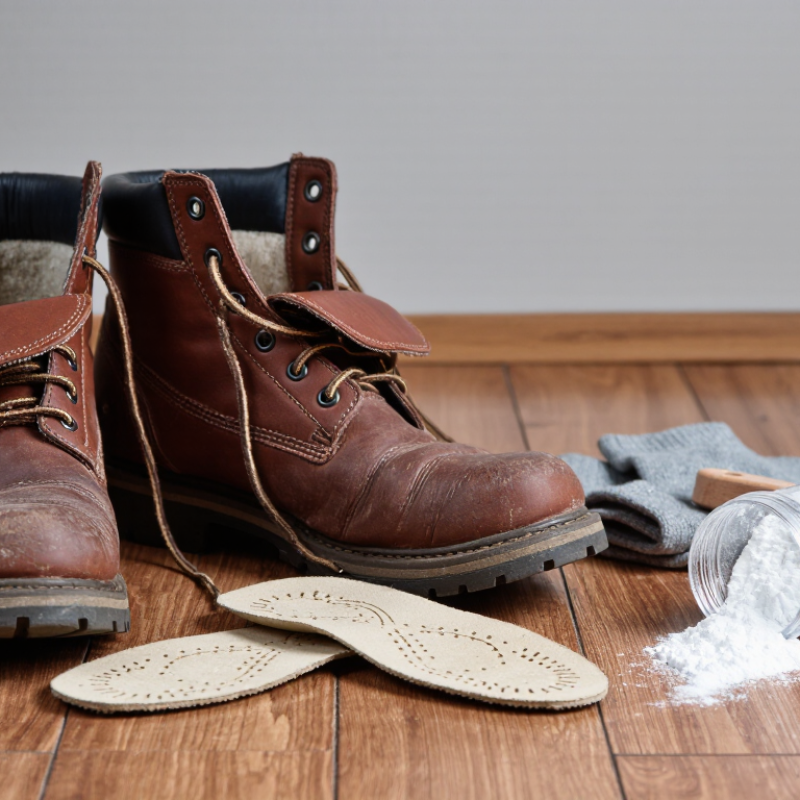
Work boots often smell because they create a warm, enclosed space where sweat lingers. The American Academy of Dermatology reports that feet have about 250,000 sweat glands and can produce up to half a pint of sweat daily. That moisture soaks socks and boot linings, especially during long shifts. Sweat itself is nearly odorless. The smell develops when skin microbes break down compounds in sweat and shed skin. A lot of moisture.
A study by Ara and colleagues in the Canadian Journal of Microbiology (2006) linked foot odor to isovaleric acid produced by skin bacteria, including Staphylococcus epidermidis. In a boot, dampness and warmth can help odor-producing microbes persist between wears. Synthetic linings, thick socks, and boots that have little time to dry may hold moisture longer, though the exact effect depends on the wearer and materials. Odor is not a reliable measure of poor hygiene. It can also reflect heavy sweating, repeated wear, or a boot that stays wet inside. I used to assume a stronger smell meant dirt; that is too simple. A dry-looking boot can still hold moisture deep in its lining.
A practical odor-control checklist, ordered by step—not by measured effectiveness.
Sweat and trapped moisture create conditions that let odor-producing microbes thrive; dirt and damp insoles can hold onto smells. Remove the insoles and laces, clean the boots according to their material, and let every part dry completely before wearing them again. The numbered bars show checklist order only, not a tested comparison of results.
Before tackling smelly work boots, check the care label and identify the outer material. Leather, suede, and fabric can react differently to water and cleaners. Remove the laces and insoles if they come out easily. Clean those separately, following their care instructions. Take the boots outdoors and tap the soles together to loosen grit. A soft, dry brush can lift dust from seams and welt edges. Keep the dirt out of your sink.
Let damp boots air-dry before cleaning; heat from a radiator or hair dryer can damage some materials. Work in a ventilated area, and avoid mixing cleaning products. If using a cleaner, test a small, hidden patch first and wait for it to dry. Wear gloves if the product label recommends them. Don’t soak leather boots or force out stuck insoles. A common oversight is cleaning the outside while odor remains in a damp insole. Check the inside, but be gentle around lining and seams. Preparation takes a few minutes. It is easy to rush, and a quick check may still miss a delicate patch.
Work-boot odor often lingers in the lining and insole, where sweat and skin debris collect. The American Podiatric Medical Association reports that each foot has about 250,000 sweat glands and can produce up to half a pint of perspiration daily. That is a lot of moisture trapped in a boot. Remove the insoles after each shift and let them air-dry separately. Check the care label before washing; many removable insoles tolerate mild soap and cool water, but leather components may warp when soaked. Rinse away residue, then press the insoles in a clean towel. Do not wring them.
Wipe the lining with a cloth dampened in soapy water, then use a fresh damp cloth to remove soap. Keep the boot opening wide and dry everything fully in a ventilated spot, away from heaters. Heat can damage adhesives and stiffen leather. Wait until the lining feels dry at the seams, not just on the surface. For persistent odor, repeat the cleaning rather than masking it with fragrance. That may take another day. I’d also check the boot’s drying routine: cleaning helps, but putting damp insoles back into a closed boot can undo the work.
| # | Cleaning Method | How to Do It | Odor-Removal Benefit | Important Notes |
|---|---|---|---|---|
| 1 | Remove the insoles and loosen the laces | Take out removable insoles and open the boots as widely as possible after each shift. | Improves airflow so moisture can escape from the lining and footbed. | Do not force out insoles that are fixed in place. |
| 2 | Air-dry the boots thoroughly | Place boots and insoles in a dry, well-ventilated area. Let them dry completely before wearing them again. | Reduces the damp conditions that encourage odor-causing microbes. | Keep boots away from radiators, open flames, and intense direct heat, which can damage materials. |
| 3 | Brush out loose dirt and debris | Use a soft brush to remove dust and debris from the lining, seams, and footbed. | Removes trapped material that can hold moisture and odor. | Brush gently to avoid pulling or damaging fabric linings. |
| 4 | Hand-wash removable insoles | Follow the care instructions. If washing is allowed, use lukewarm water and a small amount of mild detergent; rinse gently and air-dry completely. | Washes away sweat and residue from the surface of the footbed. | Do not put insoles in a dryer unless the care instructions specifically allow it. |
| 5 | Clean the boot lining with mild soap | Test a small hidden area first. Wipe accessible lining with a cloth lightly dampened with water and mild detergent, then wipe with a clean damp cloth. | Helps remove surface sweat and grime from fabric or synthetic linings. | Avoid soaking the boot. Check the boot-care instructions, especially for leather or specialty materials. |
| 6 | Use baking soda in a breathable sachet | Place a small cloth sachet of baking soda inside each dry boot overnight, then remove it before wearing. | Can help absorb residual odors inside the boot. | Keep powder away from leather and delicate linings; direct contact may leave residue. |
| 7 | Add a moisture-absorbing insert | Place reusable silica-gel or other boot-drying inserts inside the boots after use, following the product directions. | Helps draw moisture from the interior between wears. | Dry or recharge reusable inserts as directed. Keep them away from children and pets if they are not designed to be handled. |
| 8 | Rotate between pairs of boots | Alternate work boots so each pair has time to dry fully before it is worn again. | Reduces repeated wear of a damp lining and insole. | Allow the interior to dry completely; simply changing pairs does not clean accumulated residue. |
| 9 | Replace worn or persistently smelly insoles | Replace removable insoles that remain odorous after cleaning and drying, choosing a size and type compatible with the boots. | Removes a sweat-absorbing component that may retain odor. | Check that replacement insoles do not make the boots too tight or affect a safe fit. |
| 10 | Keep feet and socks clean and dry | Wash feet regularly, dry them well, and change into clean moisture-managing socks each day or when they become damp. | Limits the sweat and residue transferred into boot linings and insoles. | If foot odor, itching, or irritation persists, seek advice from a healthcare professional. |
Work boots often smell because sweat stays trapped in warm, damp linings. After a shift, remove the insoles and loosen the laces. Let both parts air-dry separately in a ventilated place, away from direct heat. High heat can dry out or damage some materials. Moisture is usually the real problem.
For a simple home remedy, place a few spoonfuls of baking soda in a clean, breathable pouch and leave it inside each boot overnight. This helps absorb odors without leaving powder in the seams. For leather boots, avoid soaking the material with vinegar or other liquids; even diluted solutions may affect the finish. Test any deodorizer on a hidden spot first. A scented spray may cover the smell for a while, but damp lining can bring it back. I sometimes forget to air my boots, and the difference is noticeable.
Tips: Rotate between pairs when possible, and wash removable insoles only as their care instructions allow. Replace them if they remain musty after drying. Give the boots time. Small changes help.
After a shift, loosen the laces and pull out removable insoles. Open the boot wide. Air needs to reach the damp toe box, where sweat and trapped warmth encourage odor. A fan helps; direct radiator heat can dry leather unevenly and weaken adhesives. Not heat. If possible, alternate pairs so each boot gets a full day to air out. Brush off dried mud, too; it can hold moisture against the upper.
The U.S. Environmental Protection Agency’s mold guidance recommends drying wet materials within 24–48 hours to limit mold growth. This is general moisture advice, not a boot-specific trial, but it supports prompt drying after rain or heavy sweating. The CDC also notes that fungi thrive in warm, moist environments, making dry socks and fully aired footwear sensible prevention. Store boots somewhere ventilated, not in a sealed plastic bag or damp locker. For persistent odor, wash removable insoles according to their care instructions and let them dry completely before replacing them. I sometimes put boots away too soon because the outside feels dry. The lining can still be damp. Check the toe and heel with your hand, and give them more time if either feels cool or clammy.
Boots trap warmth and sweat, especially during long shifts. Skin microbes break down sweat and shed skin, creating odor.
No. Heavy sweating, repeated wear, or damp boot linings can cause odor. Not dirt alone.
Read the care label and identify the material. Leather, suede, and fabric may react differently to water and cleaners.
Remove them if they come out easily, then follow their care instructions. Check the insole too; it may stay damp when the outer boot looks dry.
Loosen the laces, open the boot wide, and let air reach the toe box. A fan can help; direct radiator heat may harm materials or adhesives.
Dry them promptly, ideally within 24–48 hours. That general moisture guidance supports drying boots after rain or heavy sweating.
Pull out removable insoles and let them dry fully. Alternate pairs when possible, giving each pair a full day to air out.
Choose a ventilated spot, not a sealed plastic bag or damp locker. Feel the toe and heel; a cool, clammy lining needs more time. I sometimes put mine away too soon.
Smelly work boots often develop odor when sweat, dirt, and moisture become trapped inside, creating conditions for bacteria to thrive. Before cleaning, remove the laces and insoles if possible, brush away loose dirt, and check the boot care instructions so you can choose a safe method for the materials. Focus on the lining and insoles, where odor tends to linger: gently wash removable parts and wipe the interior with a suitable mild cleaning solution, taking care not to soak the boots.
Learning how to clean smelly work boots also means freshening them between washes and drying them thoroughly. Deodorizers or simple home remedies can help absorb unwanted smells, while clean, dry socks and regular airing can reduce moisture buildup. After cleaning, let the boots dry naturally in a well-ventilated place, away from direct heat. Keeping the insoles clean, allowing boots to dry fully after use, and alternating pairs when possible can help prevent odors from returning.
