China Top 10 Safety Shoes for Hiking Can You Wear Them?

Time:2026-11-08 Author:Madeline
0%

Hiking trails do not care what a shoe is called. They test its grip on wet stone, its comfort after several miles, and its ability to protect toes from roots and loose rock. That is why the question “can you wear safety shoes for hiking” deserves more than a simple yes or no. Some safety shoes offer sturdy toe protection and durable uppers. Others feel heavy, run hot, or have soles designed for smooth work floors rather than muddy paths.

Footwear consultant William A. Rossi, known for his research and writing on shoe design, offers a useful principle: “Fit and function matter more than the label.” This is a practical summary, not a verified verbatim quotation. For hikers, function means a secure heel, enough room for toes, reliable traction, and cushioning that remains comfortable on uneven ground. A steel toe can help protect against impacts, but it may add weight and feel cold in low temperatures. Small details matter.

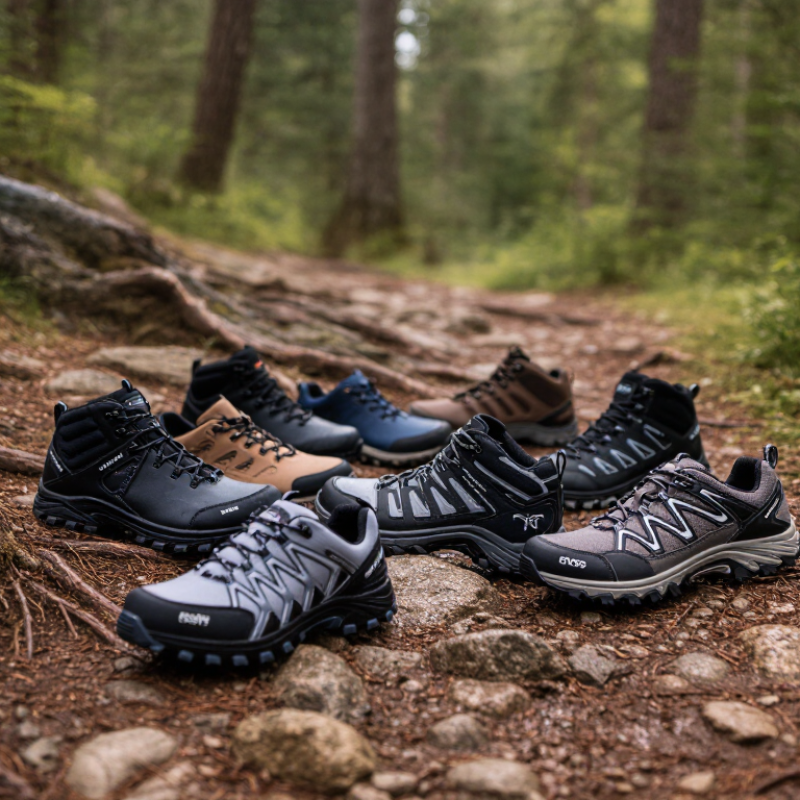
This guide looks at ten safety-shoe options available from Chinese brands and asks whether each is suitable for hiking. It will consider tread patterns, materials, weight, and comfort—not just protective features printed on a product page. A shoe may work for a short, well-maintained trail yet disappoint on a steep, wet descent. That distinction is easy to miss. Product specifications can also leave questions unanswered, so check the fit and outsole carefully before relying on any pair outdoors.
China Top 10 Safety Shoes for Hiking Can You Wear Them?

What Defines China’s Top 10 Safety Shoes for Hiking?

What defines China’s top 10 safety shoes for hiking? The label should reflect practical performance, not appearance or a long feature list. A credible comparison checks protective construction, grip, fit, durability, and weight on uneven ground. Fit matters most. A shoe that rubs at the heel can become uncomfortable before a trail ends.

On a sloped, damp path, the outsole should grip without feeling stiff, while deep lugs should shed mud rather than trap it. Toe protection can help against loose rocks, but a bulky toe cap may add weight. Not always. A strong candidate balances protection with enough flexibility for natural steps. Check seams, stitching, and sole attachment for gaps or uneven workmanship. Buyers should also verify product markings and test information instead of relying on vague safety claims. Water resistance may help in light rain, yet waterproof linings can feel warm during long climbs. One limitation is that safety shoes are not automatically hiking shoes. Test them with hiking socks on a short walk first; comfort and traction can change with terrain, pack weight, and weather.

China Top 10 Safety Shoes for Hiking: Can You Wear Them?

This chart compares required features in selected EN ISO 20345:2022 safety footwear classes. Each stacked segment represents a feature required by that class; it is not a comfort score or a hiking-performance rating.

What defines hiking suitability? Safety classes describe protective requirements, not trail performance. For hiking, also consider grip on the terrain, fit, weight, ankle support and weather conditions. Check the product’s declared class and intended use before wearing it on a hike.

Key Safety Features and Materials in These Shoes

China’s top safety shoes may look trail-ready, but their protection depends on tested components, not appearance. ASTM F2413-18 rates protective toe caps; an I/75 C/75 marking indicates impact resistance of 75 foot-pounds and compression resistance of 2,500 pounds. That matters on rocky paths. Yet this rating does not certify grip, ankle support, or hiking comfort. The U.S. Bureau of Labor Statistics reported 2.6 million nonfatal workplace injuries and illnesses in private industry in 2023; that figure covers many injury types, not hiking accidents or shoe performance.

For hiking, inspect the outsole first. Deep rubber lugs can help bite into loose soil, while a broad heel may feel steadier on uneven ground. Leather often resists scuffs, but can feel warm; mesh panels breathe better, but may wear faster against brush. Composite toe caps avoid metal, though they do not automatically make a shoe lighter or more comfortable. Fit can be easy to overlook. Try shoes with your hiking socks, and check for heel slip on a slope. I would not assume “safety” means “trail-safe”: wet rock, mud, and long descents expose limits that a toe-protection rating cannot measure.

How Safety Shoes Compare With Dedicated Hiking Boots

Safety shoes can handle some hiking, but they are built for a different job. Their reinforced toes protect against falling objects, while sturdy uppers resist workplace wear. On a rocky trail, that protection may add weight and make each step feel less natural. That matters.

Dedicated hiking boots usually prioritize traction, cushioning, and support over toe-impact protection. Their outsoles are designed to grip uneven ground, though performance still depends on the tread and trail conditions. Many models also offer higher ankle coverage and materials suited to wet weather. A safety shoe may have a flatter, stiffer sole, which can feel tiring on long climbs or loose gravel. Check the fit carefully.

For a short, dry path with firm footing, safety shoes may be adequate if they fit securely and have dependable tread. For steep routes, mud, or a full day outdoors, hiking boots are generally the more practical choice. Look for heel movement, pressure around the toes, and slipping on smooth surfaces before committing to a route. A protective toe can feel reassuring, but I would not let that feature outweigh comfort and grip. I may be overvaluing the visible protection. On trails, the less obvious details often matter more.

China Top 10 Safety Shoes for Hiking Can You Wear Them? - How Safety Shoes Compare With Dedicated Hiking Boots

The options below are common safety-footwear types, not a ranked product list. Safety footwear may work for short, easy walks, but it is not automatically suitable for hiking. Fit, tread, weight, ankle coverage, weather, and the terrain matter.

Safety Footwear Type Typical Protective Feature Hiking Advantages Hiking Limitations Best Use and Practical Verdict
1. Steel-toe low-cut safety shoes A steel toe cap protects against specified impact and compression hazards when the footwear is certified to the applicable standard. Often durable and widely available; suitable for firm, relatively level paths if the fit and outsole are appropriate. The toe cap can add weight and may feel restrictive on long descents. Low-cut uppers provide little ankle coverage, and work outsoles may not grip loose trail surfaces well. Reasonable for short, easy walks or work-to-trail use; generally not the best choice for long or rugged hikes.
2. Composite-toe low-cut safety shoes A non-metallic toe cap provides certified impact and compression protection when marked for the relevant standard. Non-metallic construction may be lighter than some steel-toe designs and does not conduct heat or cold as readily as metal. Weight and flexibility vary by design. Low-cut construction still offers limited ankle coverage, and the outsole may be designed for floors rather than trails. Can suit easy trails if comfortable and sufficiently grippy; check the complete shoe rather than assuming the toe-cap material makes it hiking-ready.
3. Aluminum-toe safety shoes An aluminum alloy toe cap provides impact and compression protection when certified to the applicable standard. Some designs weigh less than comparable steel-toe footwear while retaining a protective toe cap. They still have a rigid protective toe area and may not match the flex, fit, or trail traction of dedicated hiking footwear. Most appropriate for easy, maintained paths; compare actual weight and comfort before choosing them for longer walks.
4. Mid-cut safety shoes May combine a protective toe cap with an upper that covers more of the foot than a low-cut shoe. Additional upper coverage can help shield the ankle area from debris and may feel more supportive than a low-cut design. A mid-cut upper does not guarantee hiking-boot-level ankle support. Work-focused tread, stiffness, and weight can still be unsuitable for trails. A possible option for short walks on moderate paths, provided the shoe fits securely and has appropriate tread.
5. Safety hiking-style boots Typically combine a protective toe cap with a boot-shaped upper; protection and certification depend on the specific model. The higher upper and more substantial sole may offer a useful balance for some work and outdoor settings. The “hiking-style” description alone does not establish hiking performance. Check tread, cushioning, weight, waterproofing, and fit. Potentially the most versatile safety-footwear category for occasional outdoor use, but assess the boot’s actual features and intended use.
6. Waterproof safety boots May include a protective toe cap and a waterproof membrane or construction; waterproof performance varies by design. Can help keep feet dry in wet work areas and on damp, short routes when the footwear is in good condition. Waterproof construction can reduce breathability. Some work boots are heavy, and waterproofing does not ensure grip, comfort, or suitability for prolonged hiking. Useful in wet conditions when the route is easy and the boot fits well; less suitable when heat, weight, or long-distance comfort is a concern.
7. Metatarsal-guard safety footwear Some designs include additional protection over the metatarsal area, alongside other specified safety features. Provides extra protection in workplaces where the top of the foot faces impact hazards. Added protective components can increase bulk and stiffness, which may make natural foot movement less comfortable on trails. Choose primarily for the workplace hazard it is designed to address; generally a poor first choice for recreational hiking.
8. Puncture-resistant safety footwear May use a protective insert in the sole to reduce the risk of penetration by sharp objects, subject to its certification and construction. Can be useful where trail or work surfaces contain sharp debris, such as nails or fragments. A puncture-resistant insert does not guarantee protection from every object or replace hiking features such as trail-focused traction and cushioning. Consider it where underfoot hazards are a real concern; check the footwear’s marking and do not assume it is automatically comfortable for long hikes.
9. Electrical-hazard-rated safety footwear Some footwear is tested and labeled for electrical-hazard protection under a specified standard and intended conditions. May be appropriate for certain work environments when used according to the applicable requirements. Electrical-hazard ratings do not indicate hiking comfort, waterproofing, ankle support, or trail traction. Protection can depend on condition and use. Select for the relevant workplace requirement, not as a substitute for dedicated hiking footwear.
10. Slip-resistant safety shoes Outsoles may be tested for slip resistance on specified surfaces; results and test conditions depend on the applicable standard. Can provide better grip on certain smooth or wet work surfaces than footwear without a tested slip-resistant outsole. Slip resistance on floors does not guarantee grip on mud, loose gravel, wet rock, or steep trails. Many styles are low-cut. Suitable for easy, firm paths only when the tread performs well on that surface; trail-specific footwear is preferable for variable terrain.

Bottom line: Safety shoes can be worn on some short, easy hikes if they fit securely and have suitable traction. Dedicated hiking boots are generally designed around trail needs such as a trail-focused outsole, walking comfort, and terrain-appropriate support. Safety ratings and features vary by model and region; check the footwear label and manufacturer’s specifications before relying on any protective claim.

When Safety Shoes Are Suitable for Hiking

Safety shoes can work for hiking when the route is short, well-maintained, and not especially steep. Their reinforced toe caps help protect feet from stones or dropped equipment, while sturdy uppers can handle rough contact. On a gravel path near a worksite, that protection may be useful. But it does not automatically make them good trail shoes.

Check the fit and sole before heading out. A roomy toe box matters, especially on descents, when feet slide forward. The outsole should grip loose dirt and wet rock, not just smooth workshop floors.

Flex the shoe by hand; a very stiff sole may feel tiring over several miles. Weight matters too. Heavy shoes can make an easy trail feel harder than expected. Not ideal.

Some models also trap heat, and a rigid toe cap cannot replace proper ankle support. Try them on with hiking socks and walk on an uneven surface first.

I would be cautious about relying on them for long, muddy routes; safety features do not guarantee hiking traction, and that distinction is easy to overlook.

How to Choose the Right Pair for Your Hiking Conditions

Can You Wear Safety Shoes for Hiking?

Safety shoes can work on short, maintained trails, but they are not designed for every hiking condition. Their protective toe caps may help around rocks or tools, yet they often add weight and stiffness. On steep, uneven ground, a rigid sole can limit natural foot movement. Check the outsole too: a flat work tread may grip poorly on wet roots or loose gravel.

Tips: Match the shoe to the route. For muddy or rocky trails, look for deep, well-spaced tread and secure ankle support. Test the fit with hiking socks, and leave room for your toes to move downhill. Walk in the shoes before a long trip. Small pressure spots become painful quickly.

Consider weather and distance. Some safety shoes resist water, but that does not always mean they breathe well or dry quickly. Heavy shoes may feel tiring after several hours. A useful check is to walk on a safe, sloped surface and notice whether your heel slips or your toes press forward. I would not assume a work shoe is trail-ready just because it feels sturdy in a store. Choose comfort and reliable traction over extra protection you do not need.

FAQS

Can safety shoes work for a short hike?

Yes, on a short, dry path with firm footing. Check the fit and tread.

Do safety shoes grip trails as well as hiking boots?

Not always. Their soles may be flatter or stiffer, and grip depends on the tread and trail conditions.

What kind of route suits safety shoes best?

Choose a well-maintained, mostly level path. A gravel trail near a worksite may be manageable.

How should I check the fit before hiking?

Try them with hiking socks. Look for heel movement, toe pressure, or slipping on smooth surfaces.

Does a reinforced toe make safety shoes better outdoors?

It can protect against stones or dropped equipment, but may add weight. I may be overvaluing that visible protection.

Why can safety shoes feel tiring on a trail?

Their weight and stiff soles can make climbs and loose gravel harder. Not ideal.

Are safety shoes suitable for steep or muddy routes?

Hiking boots are generally more practical there. Safety features do not guarantee good trail traction or ankle support.

Should I test safety shoes on uneven ground first?

Yes. Walk over uneven ground and check whether the sole flexes comfortably. Fit matters.

Conclusion

China’s top safety shoes for hiking are defined by a balance of impact protection, grip, durability, and comfort. Features such as reinforced toe caps, slip-resistant outsoles, supportive uppers, and breathable materials can help protect feet on rough or uneven trails. However, added protective components may make safety shoes heavier and less flexible than dedicated hiking boots, which are usually designed specifically for long distances, changing terrain, and ankle support.

So, can you wear safety shoes for hiking? They may be suitable for short walks, well-maintained paths, or work-related hikes where toe protection is important. For steep, rocky, wet, or extended routes, purpose-built hiking boots may provide better traction, cushioning, and stability. Choose a pair according to the terrain, weather, distance, fit, and level of protection you need, and make sure it feels secure and comfortable before setting out.

Madeline

Madeline

Madeline is a dedicated marketing professional with a wealth of expertise in our company's core offerings. With a keen understanding of the industry, she brings a unique perspective to her role, consistently delivering high-quality content that highlights the superior aspects of our products. As......