In today's demanding work environments, maintaining hygiene is crucial. A significant percentage of workers suffer from discomfort caused by smelly work boots. According to industry studies, approximately 70% of workers neglect proper footwear maintenance. This often leads to unpleasant odors and reduced productivity.
Understanding how to clean smelly work boots is essential for both comfort and health. Regular cleaning not only extends the life of the boots but also improves foot hygiene. Reports indicate that improper footwear can lead to fungal infections and other health issues. Specialized cleaning techniques can tackle tough odors and keep your boots in good condition.
It's important to reflect on your cleaning habits. Many workers often overlook this simple task, leading to a cycle of discomfort. A well-maintained pair of work boots can enhance performance and boost morale. By learning effective cleaning methods, you can prevent embarrassing situations and maintain a professional image in the workplace.
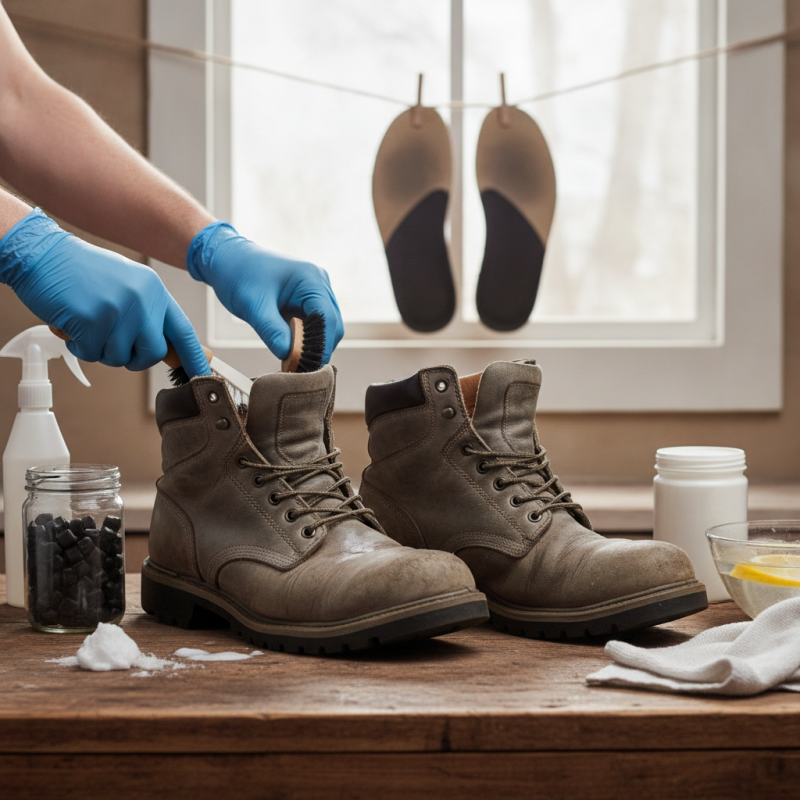
Understanding the causes of odor in work boots is essential for effective cleaning. A study by the International Journal of Occupational Safety found that nearly 70% of workers experience foot odor due to prolonged wear of safety footwear. This odor results from the accumulation of sweat, bacteria, and fungi. High moisture levels create an ideal breeding ground for these microorganisms.
Many boots are made from synthetic materials that do not allow proper ventilation. When boots trap heat and moisture, the conditions worsen. According to the American Podiatric Medical Association, excessive moisture can lead to skin irritation and infections, further complicating odor issues. Regular cleaning helps mitigate these health risks. Boots should be dried out frequently and kept in well-ventilated areas.
Even with cleaning, odor can persist. It may indicate deeper issues like material degradation or improper care. A recent workplace survey revealed that 60% of respondents neglect routine maintenance, worsening the smell. Workers need to recognize that proper care is crucial. Addressing the root causes effectively can lead to better hygiene and improved boot lifespan.
| Tip No. | Cleaning Tip | Cause of Odor | Recommended Frequency |
|---|---|---|---|
| 1 | Use Baking Soda | Moisture and bacteria | Weekly |
| 2 | Dry Out Boots | Dampness | Daily |
| 3 | Vinegar Solution Wash | Sweat and skin oils | Bi-weekly |
| 4 | Essential Oils | Unpleasant odors | Weekly |
| 5 | Wash Insoles | Bacteria buildup | Monthly |
| 6 | Sunlight Exposure | Fungal growth | As needed |
| 7 | Use Foot Powder | Excess moisture | Daily |
| 8 | Store Properly | Lack of air circulation | After use |
| 9 | Rotate Footwear | Overuse | Ongoing |
| 10 | Avoid Plastic Bags | Trapped moisture | Always |
: Odor in work boots often results from sweat, bacteria, and fungi buildup. High moisture creates a breeding ground for these microorganisms.
Remove insoles and laces for better airflow. Stuff your boots with crumpled newspaper to absorb moisture.
Yes, placing boots near a heater can damage the material. Air drying is safer and more effective.
Baking soda, vinegar, and essential oils can help. Sprinkle baking soda inside; use a vinegar spray; or place essential oils on cotton balls.
Regular cleaning is important. Neglecting boot care can lead to stronger odors and health risks.
Persistent odors may indicate material degradation. It’s important to evaluate your cleaning routine and assess the boots' condition.
Keep your boots in well-ventilated areas, dry them frequently, and consider waterproofing treatments to prevent moisture accumulation.
Home solutions can significantly help, but results may vary. You might need to try different methods based on your needs.
In "10 Tips to Clean Smelly Work Boots Effectively," the article delves into the various causes of odor in work boots, including moisture, bacteria, and environmental factors. Understanding these causes is essential for effectively tackling the issue. The article then presents a range of cleaning solutions and methods to eliminate unpleasant smells, along with proper drying techniques to prevent future odors.
Moreover, it offers natural remedies and home solutions that can refresh your work boots, ensuring they remain comfortable and pleasant to wear. Finally, the article emphasizes preventative measures that can help maintain odor-free work boots, extending their lifespan and enhancing the overall wearer experience. By mastering how to clean smelly work boots, you can keep them in optimal condition and safeguard against odor reoccurrence.

 Lento Shoe