Finding the right work boots can be challenging, especially when they rub against your heels. Many people experience pain, leading to further discomfort throughout the day. "To prevent heel rubbing, focus on the fit and wear proper socks," advises Sarah Thompson, a footwear expert with over a decade of experience in the industry.
Understanding how to stop work boots from rubbing my heels is essential for comfort. Properly fitted boots should offer support without friction. Many people overlook the importance of socks; breathable and cushioned options can significantly reduce irritation. For those with sensitive skin, trying different brands may uncover better solutions.
Common mistakes include choosing the wrong size or style. Many assume that breaking in new boots will solve the problem. This is not always the case. Reflecting on your past experiences can help in selecting the proper footwear for your job. Prioritize comfort, and don’t ignore the signs of discomfort.
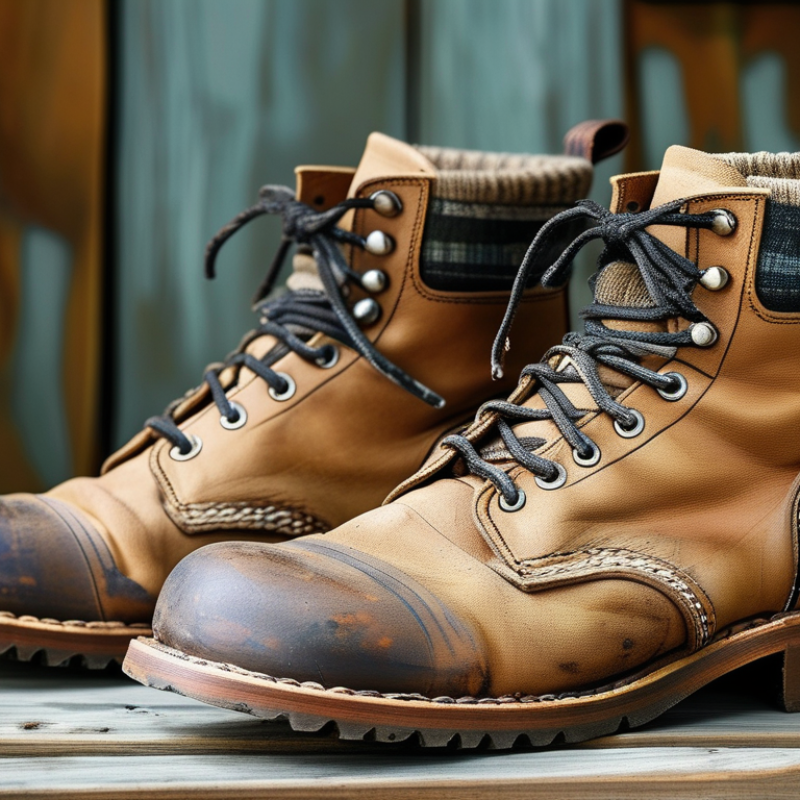
Understanding the Causes of Heel Rubbing from Work Boots
When it comes to work boots, heel rubbing is a common issue. Understanding the underlying causes can help alleviate this discomfort. One potential culprit is improper fit. Boots that are too loose may cause your heels to lift and slide, leading to friction. Conversely, boots that are too tight can pinch and create unbearable pressure points.
Another factor to consider is the material of the boots. Stiff leather can sometimes rub against your skin, especially if it hasn't been broken in properly. Inadequate cushioning can also contribute to heel pain. If your boots lack proper arch support, your foot may shift more than it should, intensifying the rubbing at the heel.
Finally, wearing the wrong socks can exacerbate the issue. Thin or worn-out socks may not provide enough barrier between your foot and the boot. Experimenting with different sock materials may reveal a surprising solution. It’s crucial to address these details. Ignoring them could lead to more serious foot problems over time.
Choosing the Right Fit: Importance of Proper Boot Size and Width
Choosing the right fit is crucial for comfortable work boots. The wrong size can lead to painful rubbing on your heels. When trying on boots, ensure there is enough space to wiggle your toes. Your heel should fit snugly without excessive movement. If your heel slips out, you might face blisters.
Width is equally important. Boots that are too narrow can pinch your feet. This discomfort may cause you to adjust your posture, leading to back pain. Consider trying different widths to find your ideal fit. Remember, a perfect fit isn’t just about size; it’s about how your feet feel during long hours on the job.
Don’t overlook the importance of sock choice. Thick socks may fill in gaps and reduce friction. Take your time finding the right pair. Sometimes, it takes a few tries to find what works best. Listen to your body; it often signals when something isn’t right.
Footwear Materials: How They Impact Comfort and Heel Fit
The materials used in work boots significantly influence comfort and heel fit. A study by the American Podiatric Medical Association reveals that 72% of workers experience discomfort due to poorly fitted footwear. Leather, rubber, and synthetic materials each offer different levels of support and breathability. For instance, leather typically molds to the foot shape over time, providing a customized fit. However, it can also rub against the heels if not adequately broken in.
Synthetic materials, such as mesh, may reduce weight but can fail to offer the same support. Data shows that 60% of wearers reported heel discomfort with boots made of too soft or too stiff materials. It's crucial to consider the density and flexibility of the materials. This choice directly correlates to how well the boot accommodates heel movement.
Many people overlook the importance of selecting the right material. Instead, they focus solely on style or cost. A poor choice can lead to blisters and long-term foot issues. It’s essential to try different options and pay attention to how the heel fits. Reflecting on comfort can prevent painful experiences down the line, promoting healthier feet overall.
Breaking in Work Boots: Effective Techniques to Reduce Rubbing
Breaking in work boots can often lead to discomfort. It's crucial to prevent rubbing that causes painful blisters. One effective technique is to wear your boots in short bursts around the house. Start with 15 to 30 minutes daily. Gradually increase the time as your feet adjust. This method helps the material soften without overwhelming your feet.
Another technique is to use thick socks. Wearing them inside the boots can create a snug fit, reducing friction. You might find this a bit uncomfortable at first, but it helps mold the boot to your foot better. Applying a leather conditioner can also help soften tough spots. Focus on areas that rub your heels.
Many people overlook the importance of boot lacing. Properly lacing your boots can make a huge difference in comfort. Experiment with different lacing techniques to find what holds your heel in place best. Remember, breaking in boots takes time and patience. A well-fitted boot is worth the effort, but it might involve some trial and error.
Utilizing Accessories: Insoles and Heel Grips for Added Comfort
When work boots rub against your heels, discomfort can quickly turn into pain. One effective solution is utilizing insoles and heel grips. These accessories can provide the extra support you need, helping to alleviate pressure on your heels. High-quality insoles can cushion your feet, absorbing shock with each step. Heel grips are designed to create friction between your foot and the boot, reducing slippage.
It’s important to choose the right insoles that match your foot shape. Many options provide arch support, which can help distribute weight evenly. While heel grips come in various materials, silicone offers a comfort that is hard to beat.
Applying these accessories may feel awkward at first, as your feet adjust. You might encounter moments of doubt about their effectiveness. However, trust the process; they are designed to enhance your comfort in the long run. Small adjustments in your footwear can lead to significant improvements in how you feel throughout the day.
FAQS
: Proper boot size ensures comfort and prevents painful rubbing on your heels.
There should be enough space to wiggle your toes comfortably.
A slipping heel can lead to blisters and discomfort during use.
Yes, a narrow boot can pinch your feet and cause back pain.
Different materials offer varying support and breathability, affecting overall comfort.
Thick socks can reduce friction and fill gaps, leading to more comfort.
Wear them for short periods at home to help the material soften gradually.
Use thick socks and apply leather conditioner on tough spots.
Proper lacing keeps your heel in place, improving overall comfort.
It varies; be patient and ready for some trial and error.
Conclusion
If you're looking to learn how to stop work boots from rubbing my heels, understanding the root causes of discomfort is essential. Ill-fitting boots, improper materials, and inadequate break-in processes can all contribute to heel rubbing. Ensuring you choose the right fit, considering boot size and width, plays a crucial role in preventing this issue.
Additionally, the materials used in footwear significantly impact comfort and how well your heels fit. To ease the rubbing, consider utilizing effective techniques for breaking in your work boots. Incorporating accessories such as insoles and heel grips can also provide added comfort and alleviate pain. By addressing these factors, you can enhance your work experience and protect your feet from discomfort.

 Lento Shoe