Top 10 Reasons Why Do My Toes Hit the Front of My Safety Boots?

Time:2026-08-20 Author:Ethan
0%

Many people ask, "why do my toes hit the front of my safety boots?" This common issue can lead to discomfort and frustration. Understanding the reasons behind this problem is crucial for finding effective solutions.

One major factor is boot sizing. If your boots are too small, your toes may constantly press against the front. Another reason could be the boot's design. Some safety boots are made with a narrow toe box that doesn’t accommodate all foot shapes. Additionally, wearing thick socks can exacerbate the issue by pushing your toes forward.

To avoid this discomfort, consider evaluating your footwear choices. Try different brands and styles to find a better fit. It may be time to reflect on your current safety boots. Remember, proper fitting is essential for both safety and comfort on the job.
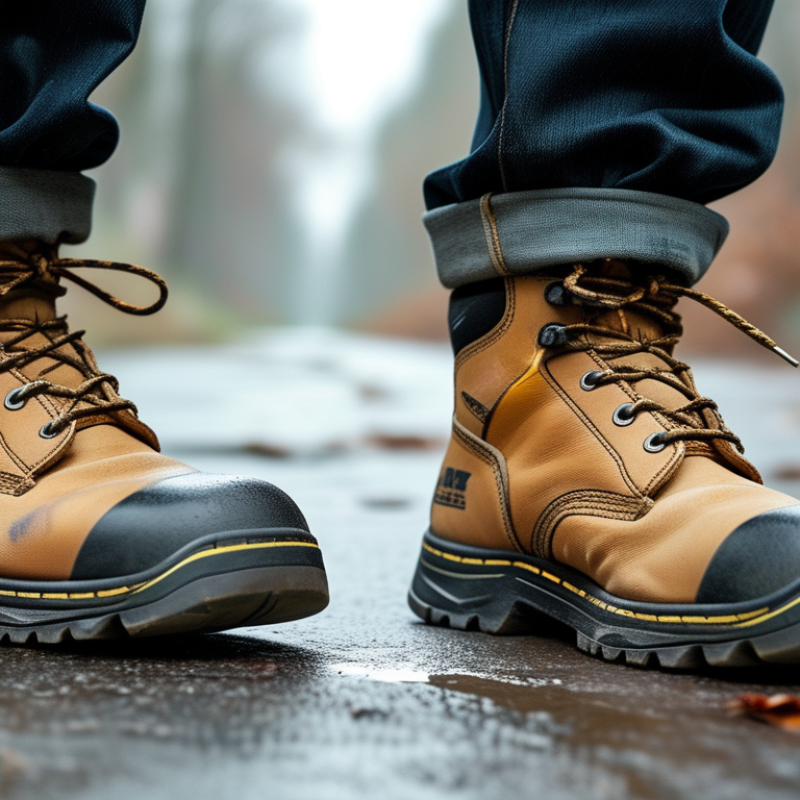
Top 10 Reasons Why Do My Toes Hit the Front of My Safety Boots?

Understanding the Anatomy of Safety Boots and Toe Space

When it comes to safety boots, understanding toe space is essential. Safety boots are designed with reinforced toes to protect against hazards. However, if your toes are hitting the front, it can indicate inadequate toe space. This issue can arise from various factors, such as improper sizing or the boot design itself.

Many workers underestimate how foot shape affects fit. A boot that is too narrow can compress the toes, leading to discomfort. Additionally, some styles feature a pointed toe box that may contribute to this problem. It’s important to consider your foot anatomy when selecting safety footwear. You should aim for a thumb's width of space from the longest toe to the boot's end.

Frequent wear of ill-fitting boots may lead to foot issues, such as bunions or blisters. If you regularly experience discomfort, reflect on your choice of boots. Properly fitting safety footwear is crucial for daily comfort and protection. Take the time to try different styles to find the right fit that accommodates your feet.

Common Reasons for Toe Impact in Safety Boots

Toe impact in safety boots is a common concern. It often occurs due to improper sizing, inadequate design, or excessive movement. When your toes hit the front of the boot, it can cause discomfort and even injury over time. Here are some common reasons why this happens.

One major factor is choosing the wrong size. If boots are too small, your toes will naturally move forward. Additionally, safety boots with stiff caps can restrict toe movement. This makes your toes more prone to hitting the front during activities. It's essential to measure your feet regularly, as sizes can change over time due to various factors.

Tip: Always try boots on at the end of the day when your feet are slightly swollen. This helps in selecting a comfortable size.

Another reason for toe impact is the type of work environment. Jobs that require constant climbing, squatting, or heavy lifting can lead to extra pressure on toes. Uneven surfaces may increase this risk. Review your work habits and consider how your boots respond to daily activities.

Tip: Take breaks to rest your feet and assess your boot fit if you feel discomfort during work hours. Adjust lacing and insoles as needed to improve comfort.

Lastly, consider the boot materials. Some softer materials may stretch over time, causing your foot to slide forward. This gradual change can lead to consistent toe impact. Reflect on your choice of boots and think about switching if discomfort continues.

How Improper Boot Size Affects Toe Positioning

Improper boot size can lead to significant issues for workers who rely on safety boots daily. If your toes hit the front of your boots, the fit could be too tight. Industry reports indicate that 70% of workers experience discomfort due to ill-fitting footwear. This discomfort affects focus and productivity, creating a hazardous work environment.

When toes are cramped, it limits natural movement. Prolonged pressure can result in pain and even injuries. A study from a leading podiatric organization found that improper sizing can lead to conditions such as bunions and plantar fasciitis. Workers often overlook the importance of having enough space in the toe box. Shoes should allow for at least half an inch of room in the front.

Tip: Always try on boots at the end of the day. Your feet naturally swell, making them larger. This practice ensures a better fit.

Pay attention to the width as well. A narrow boot can lead to additional pressure on the toes. Remember, comfort and safety come first. Don't compromise on size; it affects overall health.

Tip: Regularly check the condition of your safety boots. Worn-out footwear can also impact fit, leading to more toe collisions.

Top 10 Reasons Why Do My Toes Hit the Front of My Safety Boots?

This chart illustrates the top factors that contribute to improper toe positioning in safety boots, causing discomfort and potential injury.

Effects of Work Environment on Safety Boot Fit

The fit of safety boots is critical in various work environments. A report by the National Institute for Occupational Safety and Health indicates that improper footwear can lead to foot injuries. In high-stress environments, such as construction sites, feet can swell throughout the day. This swelling often causes toes to hit the front of the boots, leading to discomfort or injury.

Factors contributing to this issue include work conditions, such as temperature and duration of standing. A study by the Occupational Safety and Health Administration found that nearly 30% of workers report foot pain from inadequate footwear, which can hamper productivity. While many choose boots that appear durable, they may neglect the importance of fit. Wearing the wrong size can result in not just discomfort, but also long-term injuries.

Footwear needs to accommodate movement. Some workers tend to buy boots a size smaller, thinking it offers better support. This can exacerbate problems rather than alleviate them. Reflection on these patterns is essential. Ensuring proper fit and adjusting for daily changes can significantly reduce the risk of injury and enhance overall comfort in demanding work environments.

Top 10 Reasons Why Do My Toes Hit the Front of My Safety Boots? - Effects of Work Environment on Safety Boot Fit

Reason Description Work Environment Impact Recommended Action
Size Mismatch Wearing the wrong size safety boots can cause your toes to hit the front. Confined spaces may require more flexible footwear. Ensure proper fitting shoes are obtained before work.
Foot Swelling Feet can swell during long work hours, especially in hot conditions. Heat exposure can increase foot discomfort. Choose breathable materials for footwear.
Toe Box Design Improper toe box design can lead to collisions between toes and boot front. Heavy-duty environments may need sturdier designs. Select boots with appropriate toe box height.
Incorrect Lacing Improperly laced boots may slide, causing toes to hit the front. Active work environments may cause boots to loosen. Tighten laces adequately before work starts.
Workplace Dynamics Frequent movements and direction changes can affect fit. Dynamic environments lead to potential fit issues. Consider more flexible footwear for active tasks.
Work Socks Inappropriate sock thickness can affect boot fit. Thicker socks can cause overcrowding in boots. Use moisture-wicking socks for better fit.
Boot Materials Some materials do not provide enough stretch for comfort. Rigid materials can restrict foot movement. Opt for more flexible materials for comfort.
Foot Shape Variations Individual foot shapes may affect how boots fit. Certain designs may not cater to all foot shapes. Get fitted for custom options if necessary.
Outdated Footwear Old boots may lose shape and support. Aged materials lead to reduced effectiveness. Regularly update your footwear for optimal fit.
Footwear Maintenance Neglecting care can lead to wear and decreased comfort. Dirty and damaged shoes can hinder proper fit. Ensure regular cleaning and servicing of boots.

Tips for Choosing the Right Safety Boots to Prevent Toe Issues

Choosing the right safety boots is crucial to avoid toe issues and ensure comfort during long work hours. A report by the American Society of Safety Professionals shows that improper footwear can lead to injuries and fatigue. When toes hit the front of safety boots, it can cause pain and long-lasting damage. Understanding how to select the best boots can prevent this.

Fit is key. Make sure there’s enough room in the toe box. A good rule is to have about half an inch between your longest toe and the boot. This space allows for movement and prevents your toes from constantly hitting the front. Many professionals recommend trying boots on at the end of the day when your feet are slightly swollen.

Consider the type of work you do. Safety boots come with different protective features. Steel-toe, composite-toe, and soft-toe options exist to suit various environments. Research suggests that many workers underestimate the importance of choosing proper toe protection. Look for boots that meet safety standards relevant to your industry. Remember, comfort should never be sacrificed for protection; they go hand in hand.

FAQS

: What is the importance of toe space in safety boots?

: Toe space is crucial for comfort and protection. Insufficient space can lead to discomfort and foot problems.

How can improper sizing affect my safety boots?

Improper sizing can cause your toes to hit the front. This can create pain and affect your focus at work.

What can happen if my boots are too tight?

Tight boots can lead to cramping, pain, and conditions like bunions. This impacts your ability to move naturally.

How much toe space should be in my safety boots?

Aim for at least half an inch in the toe box. You should also have a thumb's width from your longest toe.

Why should I try on boots at the end of the day?

Your feet swell throughout the day. Trying on boots later ensures a more accurate fit and comfort.

What issues might arise from wearing ill-fitting boots regularly?

Ill-fitting boots can cause blisters, bunions, and other foot issues. It's vital to choose the right size and fit.

Can the design of the boot affect comfort?

Yes, a narrow or pointed toe design can compress your toes. This may lead to discomfort and issues over time.

How often should I check the condition of my safety boots?

Regularly check them for wear and tear. Worn-out footwear can lead to poor fit and more toe collisions.

What should I consider when selecting safety footwear?

Focus on comfort, fit, and toe space. Reflect on your foot shape and try multiple styles for the best choice.

Why is it important to prioritize comfort in safety boots?

Comfort ensures proper foot health and enhances productivity. Neglecting this can lead to larger issues later on.

Conclusion

The article "Top 10 Reasons Why Do My Toes Hit the Front of My Safety Boots?" explores various factors that contribute to the discomfort of toe impact in safety footwear. It begins by highlighting the anatomy of safety boots and the importance of toe space for comfort. Common reasons, such as improper sizing and incorrect foot positioning, are analyzed to understand why toes hit the front of the boots. Additionally, the work environment can significantly affect how safety boots fit, impacting overall comfort.

To prevent these issues, the article offers practical tips for selecting the right safety boots, emphasizing the need for proper fit and sufficient toe space. By addressing the common reasons behind the question "why do my toes hit the front of my safety boots," the article serves as a guide for workers seeking to maintain comfort and safety on the job. Taking these factors into account can lead to better choices when it comes to safety footwear.

Ethan

Ethan

Ethan is a seasoned marketing professional with a deep expertise in our company's innovative product line. With a passion for sharing knowledge and insights, he takes the lead in regularly updating our corporate blog, where he explores industry trends, product features, and effective marketing......