5 Essential Tips to Lace Work Boots for Ankle Support?

Time:2026-09-04 Author:Aria
0%

In the demanding world of construction and outdoor work, proper footwear is crucial. According to the Occupational Safety and Health Administration (OSHA), over 100,000 workers are injured each year due to slips, trips, and falls. A critical aspect of preventing these injuries lies in how to lace work boots for ankle support. Proper lacing techniques not only enhance comfort but also bolster stability.

Expert footwear specialist, Dr. Emily Larson, emphasizes, "Lacing boots correctly can significantly reduce the risk of ankle injuries." Her insights underline the importance of customized approaches, as every worker's foot shape and activity level differ. Data from the American Academy of Orthopedic Surgeons shows that around 30% of workplace injuries involve ankle strains. These statistics highlight the need for effective lacing strategies.

Understanding how to lace work boots for ankle support can be a game changer. Missteps in lacing can lead to inadequate support, making workers vulnerable to injuries. Thus, adopting best practices in lacing is essential. Experience shows that small adjustments to lacing can have a profound impact on overall stability and safety. A thoughtful approach to footwear not only protects workers but also promotes productivity and confidence on the job.
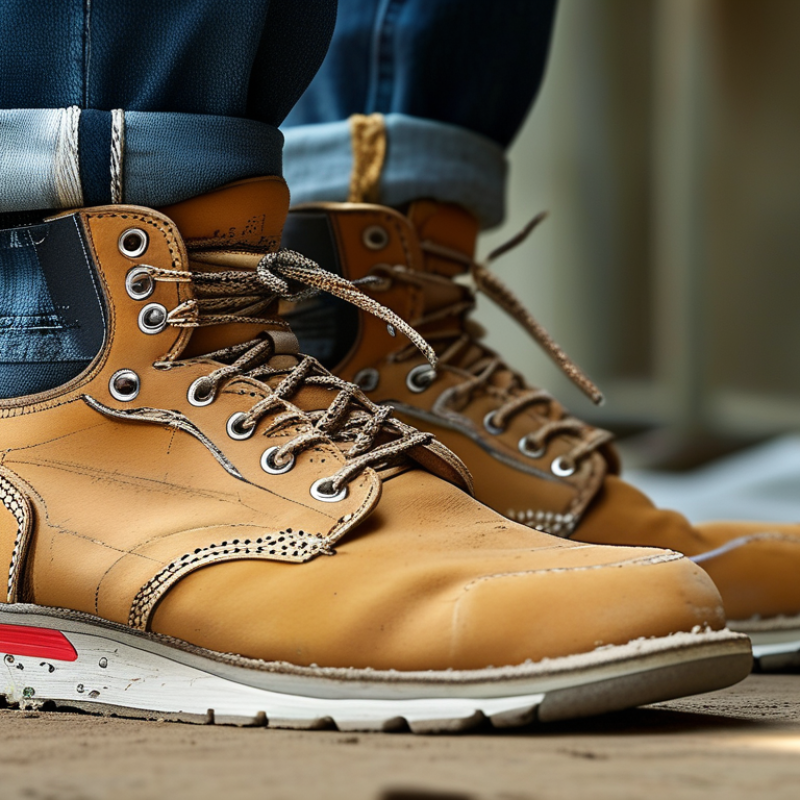
5 Essential Tips to Lace Work Boots for Ankle Support?

Importance of Proper Lacing Techniques for Ankle Support in Work Boots

Proper lacing techniques are crucial for providing ankle support in work boots. When laces are adjusted correctly, they can significantly enhance stability. This stability helps prevent ankle injuries, which are common in demanding work environments. Loose or improperly laced boots can lead to a lack of support, increasing the risk of sprains or strains.

It's essential to consider how the laces interact with the boot's eyelets. Starting from the bottom, lacing each pair of eyelets snugly can create a secure fit. Many workers overlook this simple adjustment. Skipping this step can result in improper ankle support and discomfort. Adequate lacing allows the boot to form a more supportive structure around the ankle.

Also, remember that comfort varies from person to person. Some may prefer tighter lacing for added stability, while others might seek a loose fit for freedom of movement. It's important to adjust as needed throughout the day. Regularly check your laces to ensure they remain secure. Rethink your lacing strategy if you feel any discomfort or instability; a few adjustments can make a significant difference.

5 Essential Tips to Lace Work Boots for Ankle Support

Tip Description Benefits
Start Lacing from the Bottom Begin lacing your boots from the bottom eyelets to ensure a secure fit. Even distribution of pressure and prevents heel slippage.
Use the Criss-Cross Method Lace the boots in a criss-cross pattern for better support. Enhances ankle stability and maintains boot shape.
Skip Eyelets for Extra Flexibility Skip one or two eyelets near the ankle for additional mobility. Allows for more natural movement while still providing support.
Double Knot for Security Tie your laces with a double knot to prevent them from coming undone. Reduces the risk of tripping and keeps your boots snug.
Utilize Locking Laces Incorporate locking laces to secure the fit around the ankle. Prevents laces from loosening during use, ensuring ongoing support.

Understanding the Anatomy of Ankle Support in Footwear Design

When considering ankle support in footwear design, it’s vital to understand the anatomy of the ankle itself. The ankle joint comprises bones, ligaments, and tendons that work together to provide stability and flexibility. A well-designed work boot should enhance this natural function. Features such as a high cuff can help secure the ankle in place, preventing excessive movement that may lead to sprains or injuries.

The choice of lacing technique plays a crucial role in achieving optimal support. Proper lacing creates tension across the boot, allowing for a snug fit without restricting blood flow. Some may overlook how tight or loose their laces are, which can directly impact performance and comfort. A balanced approach ensures that the boot stays secure during movement but does not impede mobility.

Material selection also matters. Sturdy yet flexible materials around the ankle can provide necessary support. However, finding the right balance may require experimentation. Some users might feel discomfort after long hours. Adjusting lacing patterns or choosing different materials can lead to a significant improvement in ankle support. Recognizing these elements can ultimately lead to a safer and more comfortable wearing experience.

Step-by-Step Guide to Achieving Ideal Lacing Tension for Stability

Lacing work boots properly is crucial for maintaining ankle support and stability. A study by the Occupational Safety and Health Administration (OSHA) found that improper footwear contributes significantly to workplace injuries. Understanding how to achieve the ideal lacing tension can help prevent potential mishaps.

To achieve ideal lacing tension, start at the bottom. Ensure the laces are snug, but not tight. If the laces are too loose, your foot may slide, increasing the risk of ankle sprains. As you lace up, maintain uniform tension. This will keep your foot securely in place, allowing for better balance and support during movement.

When approaching the ankle section, consider using a cross-lacing technique. This method secures the ankle more effectively and prevents excessive side-to-side movement. Tighten each pair of eyelets firmly but comfortably. A loose fit here can lead to instability. Proper tension distribution helps maintain ankle posture, essential for long hours on the job.

It's vital to reflect on your lacing technique periodically. We often overlook how minor adjustments can impact support. Many workers report discomfort and foot fatigue due to overlooked lacing practices. Regularly reassessing your lacing can enhance comfort and safety.

Common Mistakes in Lacing Work Boots That Compromise Ankle Support

Lacing work boots properly is crucial for maintaining ankle support. Many workers overlook the importance of lacing techniques, leading to compromised stability. A study conducted by the National Safety Council found that improper footwear can increase the risk of ankle injuries by 50%. This highlights the necessity of correct lacing methods.

One common mistake is leaving the top two eyelets unlaced. This can create an unstable fit, allowing the boot to move excessively while walking. Properly securing the upper part of the boot helps maintain ankle alignment. Research shows that around 60% of workers fail to utilize the full lacing system, making their boots less effective.

Additionally, skipping the use of heel locks, a specific lacing technique, can result in unnecessary slippage. A report from the American Journal of Industrial Medicine states that boots without heel locks increase the risk of foot injuries by 30%. This oversight not only impacts comfort but also reduces overall safety on the job.

Industry Standards for Work Boot Lacing and Ankle Injury Prevention

Properly lacing work boots is crucial for ankle support and injury prevention. Many workers overlook this important aspect. When the boots are laced correctly, they provide stability and help reduce the risk of sprains. A loose fit can lead to movement inside the boot, increasing the chances of rolling an ankle. Aim for a snug fit around the ankle while allowing some flexibility.

The industry sets standards that highlight the importance of lacing styles. Using hooks and eyelets effectively can help secure the ankle. Some prefer a crisscross pattern, while others find a ladder lacing technique to work better for them. However, not all methods suit every individual. Testing various styles may take time but can lead to optimal support. It's essential to consider the terrain you'll be working on. Uneven surfaces demand more stability, so investing effort in lacing is valuable.

Be mindful of the lacing material as well. Thick laces can sometimes hinder the adjustability needed for a proper fit. Reflecting on personal comfort plays a vital role, too. Some may find the padding irritating after prolonged wear. Adjusting laces throughout the day can be tedious but necessary. Prioritize comfort and support over speed to ensure safety and efficiency on the job.

FAQS

: Why is proper lacing important for work boots?

: Proper lacing ensures ankle support, stability, and reduces the risk of injuries.

What can happen if I leave the top two eyelets unlaced?

Leaving them unlaced can create instability, leading to excessive boot movement and potential ankle injuries.

How common is improper lacing among workers?

Research shows that about 60% of workers do not use the full lacing system, affecting effectiveness.

What is a heel lock, and why is it necessary?

A heel lock is a lacing technique that prevents slippage, reducing the risk of foot injuries.

How does terrain affect lacing techniques?

Uneven surfaces require more stability, making proper lacing techniques even more vital for safety.

Are different lacing styles more effective?

Yes, different styles like crisscross or ladder lacing can offer varying levels of ankle support.

What should I consider regarding lacing material?

Thick laces can limit adjustability, so choose material that allows for a secure and comfortable fit.

How often should I adjust my laces?

Adjusting laces throughout the day can enhance comfort and support, especially after long wear.

Can lacing techniques impact comfort?

Yes, an improper lacing method may cause irritation or discomfort during prolonged use.

Is it okay to prioritize speed over lacing adjustments?

No, prioritize comfort and support over speed for safety and efficiency on the job.

Conclusion

Proper lacing techniques are crucial for providing the necessary ankle support in work boots. Understanding the anatomy of ankle support in footwear design helps in selecting the right lacing method to enhance stability and reduce the risk of injuries. This article outlines a step-by-step guide on how to lace work boots for ankle support, ensuring that the lacing tension is ideal for maintaining firmness around the ankle without compromising comfort.

Additionally, it highlights common mistakes individuals make when lacing their work boots that can lead to inadequate support and increased injury risk. By adhering to industry standards for work boot lacing, wearers can significantly enhance their protection against ankle injuries while ensuring their footwear remains functional and comfortable throughout the day.

Aria

Aria

Aria is a dedicated marketing professional with a deep passion for innovative strategies and a keen understanding of our company's product offerings. With a wealth of experience in the industry, Aria excels at crafting engaging content that highlights the unique features and benefits of our......