Why Are EH Rated Safety Shoes Required for Electrical Work?

Time:2026-09-19 Author:Aria
0%

Electrical work can turn a routine step into a severe injury within seconds. A damaged cable, wet concrete floor, or exposed conductor may create a dangerous path for current. That is why employers must identify hazards before selecting footwear. The practical question is: what safety shoes are required for electrical work?

OSHA’s 29 CFR 1910.136 requires protective footwear where workplace hazards could cause foot injuries. For electrical hazards, footwear should be evaluated against ASTM F2412 and ASTM F2413 requirements. Look for EH-rated footwear marked for electrical hazard protection, with nonconductive soles and heels. These shoes are designed to reduce current flow through the feet under specific dry-test conditions. They are not insulated boots for every electrical situation.

The National Fire Protection Association’s NFPA 70E, 2024 edition, treats footwear as part of a broader electrical-safety program. Its approach includes boundaries, de-energization, verification, and appropriate personal protective equipment. The U.S. Bureau of Labor Statistics continues to report thousands of workplace electrical injuries and fatalities over time, showing that footwear cannot replace safe procedures. It only adds a protective barrier.

Electrical-safety consultant Hugh Hoagland has often emphasized, “PPE is the last line of defense.” That sentence deserves attention. EH shoes can lose effectiveness when wet, contaminated, cut, or heavily worn. They may also fail against high-voltage exposure, energized contact, or arc-flash energy. Inspect the soles, stitching, labels, and cleanliness before each shift. A safer choice starts with the task, not the product label. Mistakes still happen. Reviewing them honestly improves the next decision.
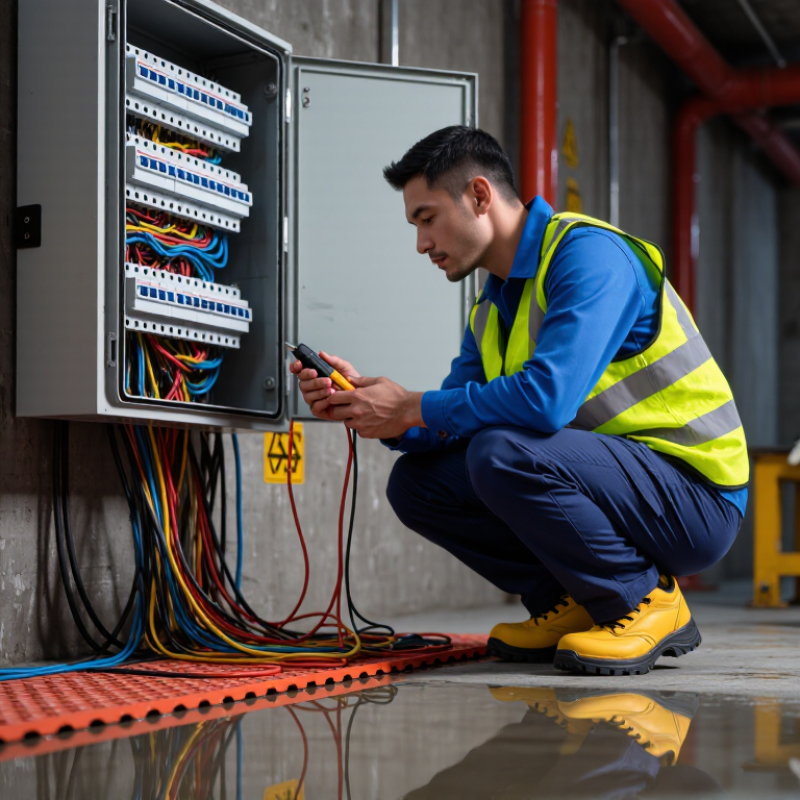
Why Are EH Rated Safety Shoes Required for Electrical Work?

What EH-Rated Safety Shoes Mean in Electrical Work

EH-rated safety shoes are designed for electrical work, but their meaning is narrower than many workers assume. “EH” means Electrical Hazard protection. Under ASTM F2413, qualifying footwear is tested as secondary protection against electric shock from an energized source, under dry conditions. The commonly referenced test level is 18,000 volts. That number can sound reassuring. It is not permission to work carelessly.

The U.S. Bureau of Labor Statistics reported 145 fatal occupational injuries involving electrical exposure in 2022. This figure shows why footwear selection deserves careful attention. EH shoes use electrically resistant soles and heels to help reduce current traveling through the body. They work best when clean, dry, and intact. Water, metal debris, worn soles, or damaged stitching can weaken their protective value. A practical inspection should check the outsole, heel, seams, and interior before each shift. Small defects are easy to ignore.

EH-rated footwear does not replace lockout/tagout, voltage verification, insulated tools, or properly rated gloves. OSHA treats electrical hazards as a broader control problem, not a footwear problem alone. The protection also has limits. Wet floors and conductive environments may require different measures, and EH performance can change with wear. The label is not a magic shield. Safety teams should match the footwear rating with the task, site conditions, and electrical risk assessment. That decision sometimes feels inconvenient, but convenience is a poor substitute for evidence.

How EH-Rated Shoes Help Reduce Electrical Shock Risks

Why Are EH Rated Safety Shoes Required for Electrical Work?

How EH-Rated Shoes Help Reduce Electrical Shock Risks

Electrical work creates a dangerous path for current through the body. EH-rated footwear helps interrupt that path when workers contact energized surfaces. OSHA requires employers to assess electrical hazards and provide suitable personal protective equipment. Footwear supports this plan, but it is not a complete electrical defense.

Under ASTM F2413, electrical hazard footwear is tested at 18,000 volts for one minute under dry conditions. Leakage current must remain within the standard’s limit. That figure sounds reassuring. It is also easy to misunderstand. The test does not make shoes suitable for every energized task. EH protection is considered secondary protection and can weaken with moisture, contamination, cracks, or worn soles.

The risk remains serious. The U.S. Bureau of Labor Statistics recorded 145 fatal workplace injuries involving electricity in 2022. OSHA’s electrical safety guidance also warns that shocks, burns, and arc-related injuries can occur through unexpected contact points. EH shoes reduce one route for current, especially when a worker stands on a conductive floor.

Small details matter.

A damp concrete floor can change the situation quickly. Damaged footwear should leave service immediately, even when the upper looks acceptable. Workers still need voltage-rated gloves, insulated tools, lockout procedures, and verified de-energization. Supervisors should inspect soles before each shift and confirm the ASTM marking matches the hazard assessment. The label is evidence, not permission. A better question is simple: what other protection does this task require?

Key Standards and Testing Requirements for EH Footwear

Why Are EH Rated Safety Shoes Required for Electrical Work?

EH footwear is designed to reduce shock risk when a worker contacts an electrically energized surface. In North America, ASTM F2413 sets performance requirements, while ASTM F2412 defines test methods. The EH test applies 18,000 volts for one minute under controlled, dry conditions. Leakage current must remain at or below 1 milliampere. That sounds reassuring, but it is not a license to touch live equipment.

126

workplace electrical fatalities

2,070

nonfatal electrical injuries in 2020

The Electrical Safety Foundation International reported 126 workplace electrical fatalities and 2,070 nonfatal electrical injuries in 2020, using U.S. Bureau of Labor Statistics data. Footwear is only one layer of protection. OSHA 29 CFR 1910.136 requires protective footwear where electrical hazards may cause foot injuries, and employers must assess the actual task. Check the ASTM marking, size, outsole condition, and test documentation. A worn sole, embedded metal, or wet floor can weaken protection. EH shoes should also be used with lockout procedures, voltage-rated gloves, and insulated tools.

Testing has limits. ASTM laboratory conditions do not reproduce every muddy switch room or damaged cable. EH footwear is not dielectric footwear for energized line work, and it may lose effectiveness when contaminated or modified.

I have seen workers focus on the label while ignoring cracked outsoles. That is a practical mistake. Inspect footwear before each shift, replace damaged pairs, and verify the standard edition required by your workplace or authority.

When Electrical Workers Should Wear EH-Rated Safety Shoes

Electrical workers should wear EH-rated safety shoes whenever a job may expose them to energized circuits or accidental contact with electrical sources. This includes panel installation, troubleshooting, maintenance, and work near temporary power systems. The decision should follow a documented hazard assessment, not personal habit.

The U.S. Bureau of Labor Statistics recorded 126 fatal work injuries involving electricity exposure in 2023.

That figure makes footwear selection more than a comfort issue. ASTM F2413 defines electrical hazard performance for protective footwear. EH-rated shoes can help reduce current flow through the body when contact occurs under dry conditions. They are secondary protection, not a replacement for lockout procedures, voltage testing, insulated gloves, or arc-rated clothing. The label is helpful, but it is not a force field.

Workers should check their shoes before every shift. Look for cuts, separated soles, embedded metal, contamination, or damp interiors. Wet flooring changes the risk quickly. So does a worn outsole. OSHA’s electrical safety guidance emphasizes hazard assessment and suitable protective equipment, yet field decisions are rarely perfect. A worker may remember the shoes and forget the floor. That mistake deserves attention. EH footwear should be removed from service when damage appears, and supervisors should confirm that its rating matches the task. It should also be worn when moving through electrical work zones, not only while touching equipment.

How to Select and Maintain EH-Rated Safety Shoes

Electrical work can expose footwear to accidental contact with energized surfaces. EH-rated safety shoes provide secondary protection against electrical shock under specific test conditions. They are not a replacement for lockout procedures, insulated tools, or proper training. Dry environments matter. Moisture, contamination, and damaged materials can reduce protection.

When selecting EH-rated shoes, check the certification label and the manufacturer’s test information. Confirm that the rating suits your workplace hazards and local safety requirements. Choose a secure fit, with enough room for your toes but no heel movement. Slip-resistant soles help on dusty floors, while reinforced toes protect against dropped tools. Consider heat, chemicals, standing, and daily walking before choosing a design. Comfort affects attention.

Fit is often underestimated.

Inspect the shoes before every shift. Look for cuts, exposed stitching, separated soles, crushed toe caps, and conductive debris. Clean dirt with a damp cloth and mild soap, then dry the shoes away from direct heat. Do not drill holes, add metal parts, or modify the sole. Replace footwear when damage appears or when its protective structure becomes uncertain. A clean surface can still hide weakened insulation. That is an easy mistake to make. Keep shoes away from oils and harsh chemicals unless the materials are rated for them. Store them in a cool, dry place, and record inspections when workplace procedures require it.

FAQS

What does EH-rated safety footwear mean?

EH means Electrical Hazard protection. It provides secondary protection against electric shock under dry conditions. It is not a magic shield.

When should electrical workers wear EH-rated footwear?

Wear it near energized circuits, panels, temporary power, and electrical maintenance areas. Use it during movement through the work zone, not only during contact.

How is EH footwear tested?

Qualifying footwear is tested against electrical exposure up to a commonly referenced 18,000-volt level. Testing applies under specific dry conditions.

Does EH footwear replace lockout procedures?

No. Lockout, voltage verification, insulated tools, suitable gloves, and protective clothing remain necessary. Footwear supports the safety plan.

Can EH shoes protect workers on wet floors?

Their protection can weaken on wet floors or conductive surfaces. Water changes the risk quickly. Additional controls may be required.

What should workers inspect before each shift?

Check the outsole, heel, seams, and interior. Look for cuts, loose soles, metal debris, contamination, or damp lining. Small defects matter.

When should damaged EH footwear leave service?

Remove shoes with separated soles, damaged stitching, worn outsoles, or embedded metal. Do not keep using them because they still look comfortable.

How should supervisors choose the correct footwear?

Match the footwear rating with the task, floor conditions, and electrical risk assessment. Personal habit is not enough. People sometimes forget the floor.

Conclusion

EH-rated safety shoes are designed to help protect electrical workers from shock hazards by providing electrical insulation between the wearer and the ground. When people ask “what safety shoes are required for electrical work,” the answer depends on the job’s conditions, workplace rules, and applicable safety standards, but EH-rated footwear is commonly selected for tasks involving possible contact with energized equipment. These shoes are tested for their ability to resist electrical current under specified conditions, while also offering protection from impact, compression, punctures, slips, and other workplace hazards.

Electrical workers should wear EH-rated shoes when working near electrical systems or in areas where accidental contact with live components is possible. However, the footwear is only one part of a complete safety program and should never replace de-energizing equipment, lockout procedures, insulated tools, or other protective equipment. Before use, workers should check the rating and condition of the shoes, keep them clean and dry, and replace them if the soles, uppers, or insulation show significant damage. Proper selection, regular inspection, and careful maintenance help preserve their protective performance.

Aria

Aria

Aria is a dedicated marketing professional with a deep passion for innovative strategies and a keen understanding of our company's product offerings. With a wealth of experience in the industry, Aria excels at crafting engaging content that highlights the unique features and benefits of our......