As winter approaches, choosing the right footwear becomes crucial. Many workers may wonder, why are composite toe boots better for winter performance? These boots offer a blend of safety and comfort tailored for cold conditions. Unlike traditional steel toe boots, composite options are lighter and non-conductive. This feature makes them ideal for those in electrical or cold environments.
Composite materials provide insulation against cold. This helps keep feet warm without compromising safety. Additionally, many composite toe boots are waterproof. This is essential for staying dry in snowy and wet conditions. However, it is important to consider the fit and insulation level. Not all models provide the same warmth or comfort.
Many users have reported experiencing discomfort in poorly fitting boots. This raises important questions about individual preferences. It necessitates careful selection to find the right pair. Prioritizing expert reviews and hands-on experience is crucial for making an informed choice. Understanding why composite toe boots excel in winter can enhance safety in demanding conditions.
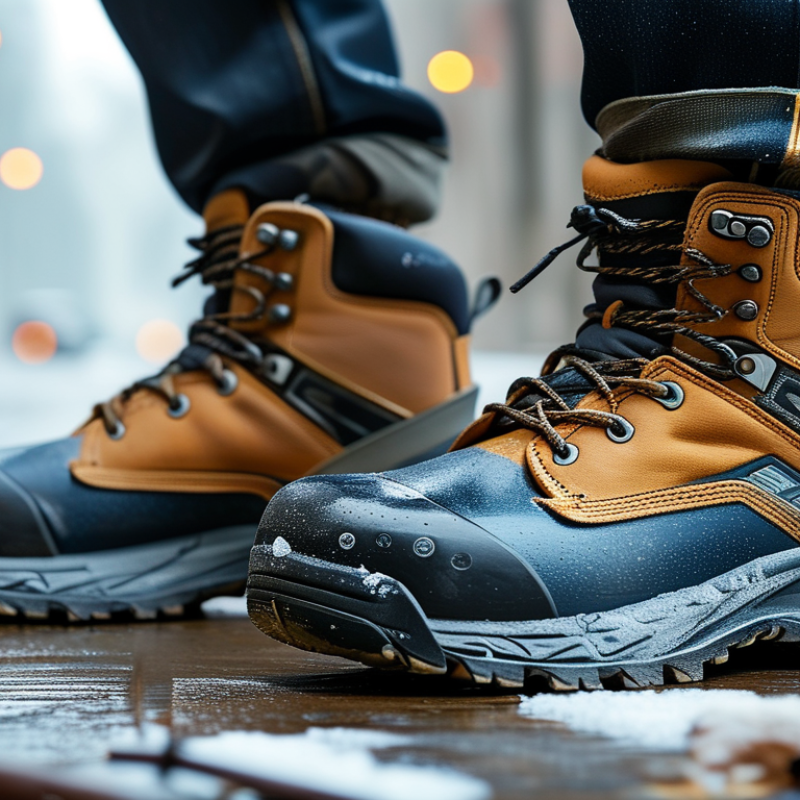
The Importance of Composite Toe Boots in Winter Work Environments
In winter work environments, safety and comfort are crucial. Composite toe boots provide essential protection against various workplace hazards. According to the American Society of Safety Professionals, more than 100,000 foot injuries occur annually in the workplace. Composite toe boots are designed to withstand impact and compression while being lighter than steel-toed versions. This can reduce fatigue during long hours on the job.
These boots are also non-metallic, which makes them ideal for environments with metal detectors. They often feature insulation properties that help keep feet warm in cold weather. A report by the National Safety Council states that workers’ productivity can drop by 20% in temperatures below 32°F. Composite toe boots can mitigate this loss by ensuring workers remain comfortable and safe as they navigate icy or snowy conditions.
Despite the advantages, it is essential to consider fit and breathability. Some users report discomfort if the boots don’t fit properly. This can lead to blisters or other issues that distract from work tasks. Choosing the right footwear involves balancing protection and comfort with the specific demands of the job. It’s important to regularly assess boot condition and make necessary adjustments for optimal winter performance.
Durability and Protection Offered by Composite Toe Materials
Composite toe boots offer exceptional durability and protection, especially during winter months. They are made from lightweight materials that outperform traditional steel toes. This makes them ideal for colder climates where heavy boots can feel cumbersome. With composite materials, you benefit from better insulation against the cold. This is crucial for workers spending hours outdoors.
One significant advantage of composite toe boots is their resistance to temperature changes. Unlike steel, which can become extremely cold, composite toes maintain a more neutral temperature. This prevents discomfort in icy conditions. Additionally, they are non-metallic, making them a safer option around electrical hazards. Wearing them contributes to a safer work environment.
However, it's important to consider the trade-offs. While composite materials are tough, they may not be as durable as steel in extreme impacts. Users should reflect on their specific needs. If your work involves heavy drops, steel might be more suitable. Ultimately, selecting the right boot is crucial. It ensures not just protection but overall comfort and effectiveness for winter performance.
Comparative Analysis: Composite Toe vs. Steel Toe Boots in Cold Weather
When comparing composite toe boots to steel toe boots for winter performance, several factors come into play. Composite toe boots are often regarded as lighter. This makes them more comfortable during long hours on the job. However, they may not provide the same level of protection against severe impacts as steel toes. In extremely cold conditions, steel can become brittle, potentially compromising safety.
The insulation quality of composite materials is noteworthy. They often retain warmth better than steel. This helps keep feet dry and comfortable in frigid weather. On the other hand, steel toe boots can conduct cold and heat more easily, leading to discomfort. Nonetheless, some users prefer steel for its proven strength in various industries.
Durability is another factor worth consideration. Composite toe boots can withstand a variety of chemicals, making them suitable for diverse work environments. Yet, the longevity can sometimes fall short in rugged conditions. Users frequently report wear and tear sooner than expected. It’s essential to evaluate your specific needs when choosing between these two options.
Insulation Features of Composite Toe Boots for Winter Conditions
When it comes to winter performance, the insulation features of composite toe boots become crucial. These boots offer a unique blend of safety and warmth. Unlike traditional steel-toe options, composite materials provide lightweight protection without the heavy weight. This makes them comfortable for extended wear, especially in harsh winter weather.
The insulation in composite toe boots is designed to trap heat. These boots often use advanced materials that maintain warmth even in freezing temperatures. This can be a game changer for those working outdoors for long hours. Many options include moisture-wicking linings, which help keep feet dry. Dry feet can significantly impact overall comfort, especially in snow or slush.
However, not all composite toe boots are created equal. Some may lack adequate insulation, leaving feet cold in severe conditions. It's essential to consider the specific insulation technology used in each pair. Seeking expert advice on materials can help users avoid poor choices. Investing in quality insulation ensures that you stay warm and protected throughout the winter months.
Insulation Features of Composite Toe Boots for Winter Conditions
Industry Statistics on Worker Safety and Foot Injuries in Winter Months
During winter months, workers face increased risks of foot injuries. Statistics show that slips, trips, and falls contribute significantly to workplace accidents. Cold weather can lead to numbness, making workers less aware of their foot positioning. In this context, composite toe boots become essential. These boots provide safety without the heavy weight of steel toes. They offer insulation and comfort, critical for maintaining warmth in freezing temperatures.
Tips for selecting the right boots: Look for waterproof features to keep your feet dry. Insulation is crucial for warmth. Check for slip-resistant soles, which are vital on icy surfaces. Ensure the boots fit well; this helps prevent blisters and discomfort.
Foot injuries often go unreported, but they can disrupt work life. Proper footwear, like composite toe boots, can mitigate this risk. Monitoring local workplace safety statistics can highlight trends. Are injuries rising in your area? Reflect on your safety gear and practices to ensure you’re truly protected.
FAQS
: They provide protection against workplace hazards and enhance comfort.
They are lighter than steel-toed boots, making them more comfortable during long shifts.
Productivity can decrease by 20%, but composite toe boots help maintain comfort.
Yes, they are non-metallic and ideal for such environments.
Fit, breathability, protection, and comfort must all be balanced for job demands.
Discomfort, blisters, or distractions from work tasks may occur with poor fit.
Composite boots often retain warmth better, while steel may become brittle in extreme cold.
They withstand many chemicals but can wear out sooner in rugged conditions.
Check their condition and make adjustments for optimal performance in winter.
Yes, users may need to reflect on their specific needs when selecting boots.
Conclusion
Composite toe boots are an essential choice for winter performance, particularly in demanding work environments where safety and comfort are paramount. These boots provide superior durability and protection compared to traditional steel toe options, making them a safer choice for cold weather conditions. Why are composite toe boots better for winter? The materials used in composite toe construction offer better thermal insulation, ensuring that workers' feet remain warm and protected from extreme temperatures while still providing adequate safety against impact.
Furthermore, a comparative analysis between composite toe and steel toe boots reveals that composite options are lighter, reducing fatigue during long hours of work. Industry statistics highlight the significance of proper footwear in minimizing foot injuries during winter months, underscoring the need for boots that combine protection with insulation. Adopting composite toe boots is not just a smart choice for safety, but also essential for maintaining productivity in challenging winter environments.

 Lento Shoe