Navigating security protocols can be challenging, especially for workers in various industries who wear safety shoes. Understanding how to pass a metal detector with safety shoes is crucial. James McCullough, a safety equipment expert, notes, "The right strategy makes all the difference when moving through security."
Metal detectors are designed to pick up metallic objects. Safety shoes, often reinforced with steel, might trigger alarms. This creates anxiety for workers who need to comply with safety regulations and pass through security checkpoints. Proper preparation can minimize these inconveniences.
Consider your attire and approach. Choose safety shoes with non-metallic materials when possible. If you must wear steel-toed shoes, communicate with security personnel ahead of time. Bringing clear documentation for work-related gear can help. These steps can make the process smoother, easing frustrations. Being proactive is key to ensuring a hassle-free experience as you navigate daily responsibilities.
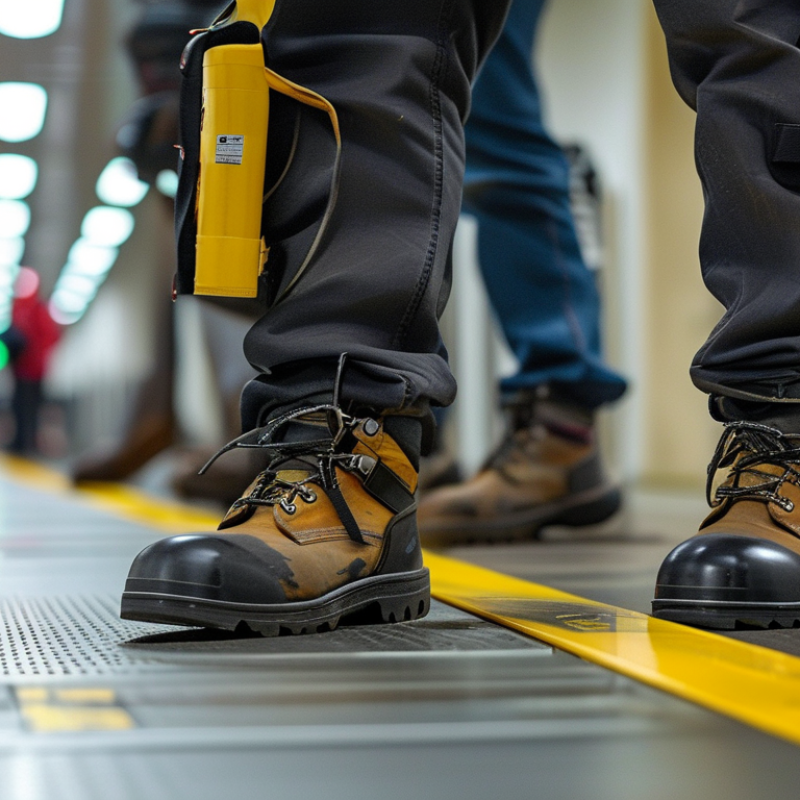
Understanding Metal Detectors and Their Functionality
Metal detectors are critical tools in various industries, ensuring safety and security. Understanding their functionality helps in navigating environments where these devices are frequently used. A metal detector operates by generating an electromagnetic field. When a metal object enters this field, it disrupts the waves, triggering an alarm. This principle is the foundation of how these detectors function.
In recent studies, it has been shown that up to 90% of metal detectors can accurately identify ferrous metals. However, this percentage drops significantly for non-ferrous metals, like aluminum or stainless steel. This is particularly relevant for users wearing safety shoes that may contain metal components. In specific environments, safety shoes can pose a challenge when passing through metal detectors. Issues often arise at construction sites or security checkpoints where thorough checks are necessary.
Adopting a proactive approach can ease the passage through security. Consider wearing safety shoes designed with minimal metal features. Familiarity with the specific metal detector's sensitivity settings is also beneficial. Factors such as the model and the setup of the detectors may vary. Tailoring your approach based on these aspects can lead to a smoother experience. Awareness and preparation can significantly reduce the stress associated with metal detection.
Types of Safety Shoes and Their Metal Components
When selecting safety shoes, consider the types that contain metal components. Steel-toed shoes are common in construction. They offer protection against heavy objects. However, they may set off metal detectors due to their reinforced toe box. Another type is composite-toe shoes, which provide similar protection without metal. These shoes use materials like Kevlar or carbon fiber. They can help you pass metal detectors easily.
Tips for passing through metal detectors involve careful shoe choice. Opt for shoes with no metal parts. Look for slip-resistant outsoles made of rubber or polyurethane. This reduces the risk of slips and falls while keeping you compliant. Always check local regulations regarding footwear in sensitive areas. Adjust your walking speed when approaching the detector. This can help minimize any alerts.
Choosing the right safety shoes can be tricky. You want protection and functionality. Reflect on how often you encounter metal detectors in your workplace. Consider the environments and tasks that you perform regularly. A well-informed decision can lead to comfort and safety on the job. Exploring various materials can help you find the perfect fit.
2026 Best Tips to Pass Metal Detectors with Safety Shoes - Types of Safety Shoes and Their Metal Components
| Type of Safety Shoe |
Metal Components |
Recommended Use |
Tips for Passing Metal Detectors |
| Steel Toe Boots |
Steel toe cap, metal eyelets |
Construction, Mining |
Remove excess metal attachments |
| Composite Toe Shoes |
Plastic toe cap |
Warehouse, Light industrial work |
Prefer composite over steel |
| Metatarsal Guard Boots |
Metatarsal cap, metal Fasteners |
Heavy machinery work |
Minimize metal parts if possible |
| Electrical Hazard Shoes |
Metal shank |
Electrical work |
Consider non-metallic options |
| Slip-Resistant Shoes |
No major metal components |
Food service, hospitality |
Choose shoes with minimal metal |
Techniques to Avoid Detection by Metal Detectors
Passing metal detectors while wearing safety shoes can be a challenge. Metal detectors are designed to detect metallic objects, which means any footwear containing metal components may trigger alarms. Understanding how to navigate these systems can mitigate stress in environments like construction sites or security checkpoints.
Safety shoes often contain steel toes or other metal reinforcements. Data from the Occupational Safety and Health Administration (OSHA) indicates that over 200,000 foot injuries occur annually, underscoring the necessity for proper footwear. One technique to avoid detection involves wearing composite or aluminum toe boots. These alternatives protect without setting off alarms.
Choosing the right time and place is key. Observing busy times can help you blend in. Walking calmly and confidently reduces suspicion. Engaging with security personnel can also be beneficial; a polite approach may lead to more lenient inspections.
Practicing stealth can be enlightening as well. Some have found that wearing smoother footwear temporarily helps pass detectors. For instance, rubber soles generate less sound and distraction while moving through security. Incorporating these strategies may lead to a smoother experience, yet individual results can vary. Reflecting on past encounters can provide insights for improvement.
Safety Regulations Surrounding Safety Shoes and Metal Detection
Safety regulations surrounding safety shoes and metal detection are critical for workplace compliance and employee protection. According to the Occupational Safety and Health Administration (OSHA), over 120,000 injuries are caused by foot-related incidents each year. These statistics underscore the importance of wearing proper safety footwear, especially in environments where metal detectors are a requirement.
Safety shoes often contain metal components, which can trigger alarms in security checks. Many facilities have strict protocols to prevent unauthorized items. Workers may face additional screenings or delays. Preparing for these situations can foster a smoother experience. Training employees on what to expect during security checks can minimize stress and confusion.
Despite advances in materials, some safety shoes still feature elements that must comply with regulations. This reflects ongoing challenges in designing footwear that balances protection and functionality. Regular assessments of safety equipment can highlight shortcomings. Engaging with employees can cultivate a culture of safety and awareness, where individuals feel empowered to share their experiences and suggestions.
Alternative Safety Gear: Options Beyond Metal Detectors
When navigating environments with metal detectors, alternative safety gear is essential. Many workplaces require safety shoes, which usually contain metals. This can lead to frequent alarms at security checkpoints. Fortunately, there are options available to avoid unnecessary delays and stress.
Consider using composite-toe shoes. These shoes provide the same protection without metal components. They are lighter and may offer more comfort. Another option is to explore footwear made from advanced materials like Kevlar. These innovative materials ensure safety without triggering metal detectors.
High-visibility clothing can also be beneficial. Wearing this ensures you remain seen, especially in low-light areas. Many jobs enforce strict regulations on protective gear. Knowing the requirements helps in selecting appropriate alternatives. It’s worthwhile to evaluate your gear and consider how it reflects on your safety and efficiency. Each choice carries a consequence. Assess your needs regularly.
Conclusion
In the realm of workplace safety, understanding how to pass a metal detector with safety shoes is crucial for employees who rely on protective footwear. The article explores the functionality of metal detectors and highlights various types of safety shoes, noting their metal components that could trigger alarms. It discusses techniques to minimize detection while ensuring compliance with safety regulations, focusing on the nuanced balance between protection and passage through security checkpoints.
Moreover, the article emphasizes the importance of knowing safety regulations related to metal detection and offers alternative safety gear for those who may find conventional safety shoes problematic. By equipping readers with practical insights, the article serves as a comprehensive guide for navigating the challenges posed by metal detectors while maintaining safety standards in the workplace.

 Lento Shoe