Choosing the Best Safety Shoes for Construction in 2026?

Time:2026-06-22 Author:Isabella
0%

Choosing the right safety shoes for construction is vital for worker protection. In 2026, the range of options has become vast and complex. With so many brands and designs available, it can be overwhelming to make a decision. Safety shoes can prevent serious injuries from falling objects or slips. Therefore, understanding how to choose the right safety shoes for construction is essential for every worker.

When selecting safety shoes, consider comfort, fit, and safety features. A well-fitted shoe reduces fatigue during long hours on the job. Features like steel-toed caps and slip-resistant soles are crucial. The materials used can impact durability and breathability over time. Reflective strips or bright colors can enhance visibility on construction sites too.

It's important to remember that all safety shoes are not created equal. What works for one individual might not work for another. Testing a pair before committing can lead to better long-term satisfaction. Indeed, investing time in this decision can save potential injuries. As the industry evolves, so do safety requirements. Reflecting on past choices can also guide future decisions in selecting the best safety footwear.
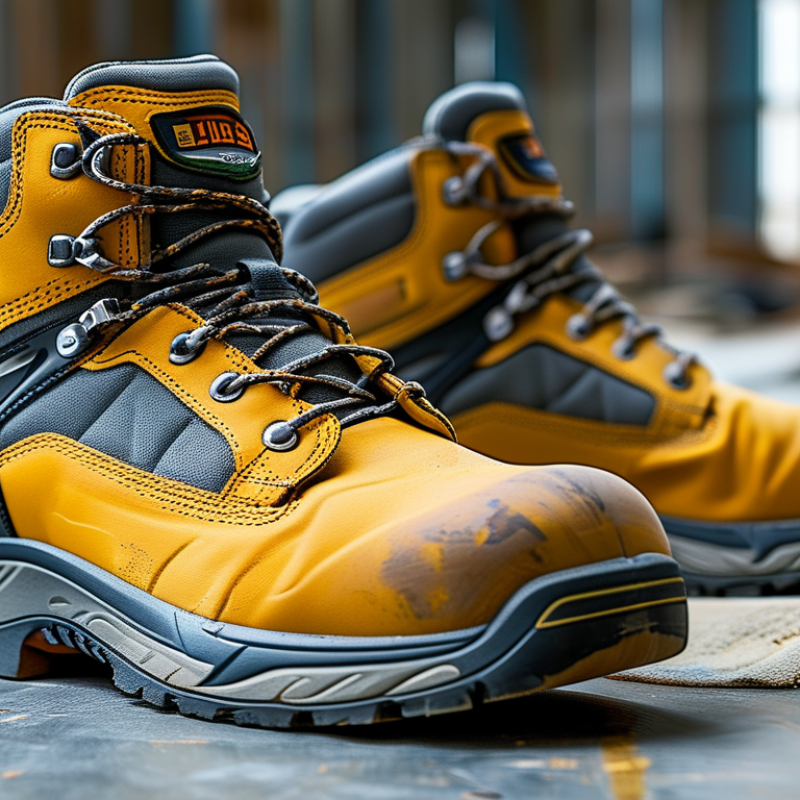
Choosing the Best Safety Shoes for Construction in 2026?

Understanding the Importance of Safety Shoes in Construction

Safety shoes play a vital role in the construction industry. They protect workers from various hazards. Research indicates that over 70,000 foot injuries occur annually on construction sites. Many of these injuries could be prevented with proper safety footwear.

Puncture-resistant soles and reinforced toe caps are essential features. These elements can significantly lower the risk of injury from falling objects and sharp materials. A study shows that workplaces with proper safety standards, including shoes, can see a reduction in injury rates by up to 30%. The benefits are clear; safety footwear not only helps avoid accidents but also enhances worker productivity.

Despite these facts, some workers still choose inappropriate footwear. Comfort often takes precedence over safety. This mindset can lead to severe consequences. Investing in quality safety shoes is not just about compliance; it can be a game changer for overall workplace safety. Understanding the significance of these shoes is crucial for every construction professional.

Key Features to Consider When Selecting Safety Shoes

When choosing safety shoes for construction, several key features demand attention. Durability is essential. Look for materials that can withstand harsh environments. Steel toes often offer the best protection. However, consider composite materials too. They can be lighter and provide adequate safety. Each type has its pros and cons.

Comfort should not be overlooked. A shoe that pinches or causes blisters will affect performance. Insoles play a critical role in comfort. In addition, breathability can enhance overall experience. Construction sites can be hot. Choosing shoes that allow air circulation can reduce discomfort.

Slip resistance is another vital feature. Many accidents happen due to slips. A textured sole provides better traction. Testing shoes on different surfaces can help determine their effectiveness. Reflective materials are also useful. They improve visibility in low-light conditions. Ultimately, choosing safety shoes is a balance of protection and comfort.

Current Trends in Safety Shoe Design for Construction Workers

In 2026, safety shoe design for construction workers reflects a shift towards enhanced comfort and durability. Recent industry reports indicate that nearly 57% of workers prioritize comfort over traditional safety features. This trend marks a significant change in the marketplace, encouraging manufacturers to innovate. Materials like lightweight alloys and breathable fabrics are gaining traction. These innovations provide workers with necessary protection without compromising comfort.

Moreover, a survey shows that 70% of construction workers experience foot fatigue during long shifts. To combat this, brands are focusing on ergonomic designs. Many safety shoes now feature cushioned insoles and shock-absorbing soles. These advancements aim to reduce fatigue, offering better support for all-day wear. Also, safety standards are evolving. New regulations emphasize slip resistance and puncture protection, ensuring that workers remain safe on volatile job sites.

The incorporation of smart technology is also emerging as a trend. Some shoes now include wearables that track foot health and fatigue levels. However, these high-tech features can raise concerns about reliability and real-world effectiveness. As the industry moves forward, balancing innovation and practicality will be crucial. Adequate training on new safety gear is essential for maximizing benefits while minimizing risks.

Current Trends in Safety Shoe Design for Construction Workers (2026)

Evaluating Safety Standards and Certifications for Safety Shoes

When selecting safety shoes for construction, understanding safety standards and certifications is essential. The American Society for Testing and Materials (ASTM) outlines critical benchmarks for footwear. In 2023, a report highlighted that 76% of workplace injuries were due to improper footwear. This statistic underscores the importance of selecting certified safety shoes.

Key certifications include ASTM F2413, which focuses on impact and compression resistance. Shoes that meet this standard can withstand significant weight and force. Additionally, the Slip Resistance Test (ASTM F2913) is vital. It indicates how well a shoe can grip various surfaces, reducing slips and falls.

Moreover, while shoes must offer protection, comfort cannot be overlooked. The National Institute for Occupational Safety and Health found that 50% of workers reported discomfort from their footwear, which can affect job performance. In 2026, the industry may see more advancements in materials that balance safety with comfort. It's crucial to stay informed and ensure your choice aligns with these evolving standards.

Choosing the Best Safety Shoes for Construction in 2026

Safety Standard Certification Impact Resistance Slip Resistance Water Resistance Weight Price Range
ASTM F2413 CE 200 J SRC Yes 2.5 kg $80 - $120
EN ISO 20345 ISO 150 J SRA Yes 1.8 kg $75 - $90
ASTM F2412 ANSI 100 J SRB No 2.0 kg $60 - $70
EN 345 DIN 120 J SRA Yes 1.6 kg $85 - $110

Top Brands and Models of Safety Shoes for Construction in 2026

When selecting safety shoes for construction in 2026, several factors come into play. Comfort is crucial; these shoes must support long hours on the feet. Breatheable materials can help keep feet cool and dry. Safety features should include steel toes and slip-resistant soles. Workers often face hazards that require appropriate protection.

Top brands retain their reputation for quality and durability. Each model should undergo rigorous testing to ensure reliability. Customer reviews can provide insights into performance under real working conditions.

Some shoes may not fit all foot types, leading to discomfort. It’s important to try various models to find the best personal fit.

Technological advancements in shoe design continue to evolve. Lightweight materials reduce fatigue without compromising safety.

However, not every new feature benefits all workers. Some may find high-tech soles less comfortable. Listening to user feedback is essential in improving product development. Emphasizing comfort and safety will help workers stay safe on the job site.

FAQS

: What should I look for when choosing safety shoes?

: Focus on durability, comfort, and slip resistance. Materials must withstand harsh environments.

Are steel toes better than composite materials?

Steel toes offer strong protection, but composite materials are lighter. Each has its advantages and disadvantages.

How important is comfort in safety shoes?

Very important. Shoes that pinch or cause blisters can affect work performance significantly.

What role do insoles play in safety shoes?

Insoles are critical for comfort. They can help prevent fatigue during long working hours.

Why is breathability important for safety shoes?

Breathable shoes allow air circulation. They keep feet cool and dry, reducing discomfort on hot days.

How can I test slip resistance in safety shoes?

Try walking on various surfaces. A textured sole usually provides better traction and prevents slips.

Do reflective materials improve safety?

Yes, reflective materials enhance visibility in low-light conditions. This can prevent accidents on construction sites.

What should I consider about shoe fit?

Not all models fit every foot type. Trying different shoes is crucial to find a comfortable fit.

Are there any downsides to high-tech shoe features?

Some high-tech soles may not be comfortable for all workers. Feedback is essential for product improvement.

How can I ensure I choose the right safety shoe for my needs?

Consider personal comfort and safety needs. Read customer reviews and test various models.

Conclusion

In the construction industry, selecting the right safety shoes is crucial for ensuring worker safety and efficiency. The article delves into understanding the importance of safety shoes, highlighting their role in preventing injuries on the job site. When considering how to choose the right safety shoes for construction, key features such as toe protection, slip resistance, and durability must be evaluated.

Current trends in safety shoe design are also discussed, showcasing advancements that cater to both comfort and safety. Furthermore, the significance of safety standards and certifications is emphasized, ensuring that selected footwear meets industry requirements. By exploring popular models available in 2026, the article aims to guide construction professionals in making informed decisions to enhance their safety and performance on the job.

Isabella

Isabella

Isabella is a dedicated marketing professional with a sharp focus on driving brand growth and engagement through strategic content creation. With an extensive background in digital marketing, she combines her passion for storytelling with her keen understanding of industry trends to deliver......