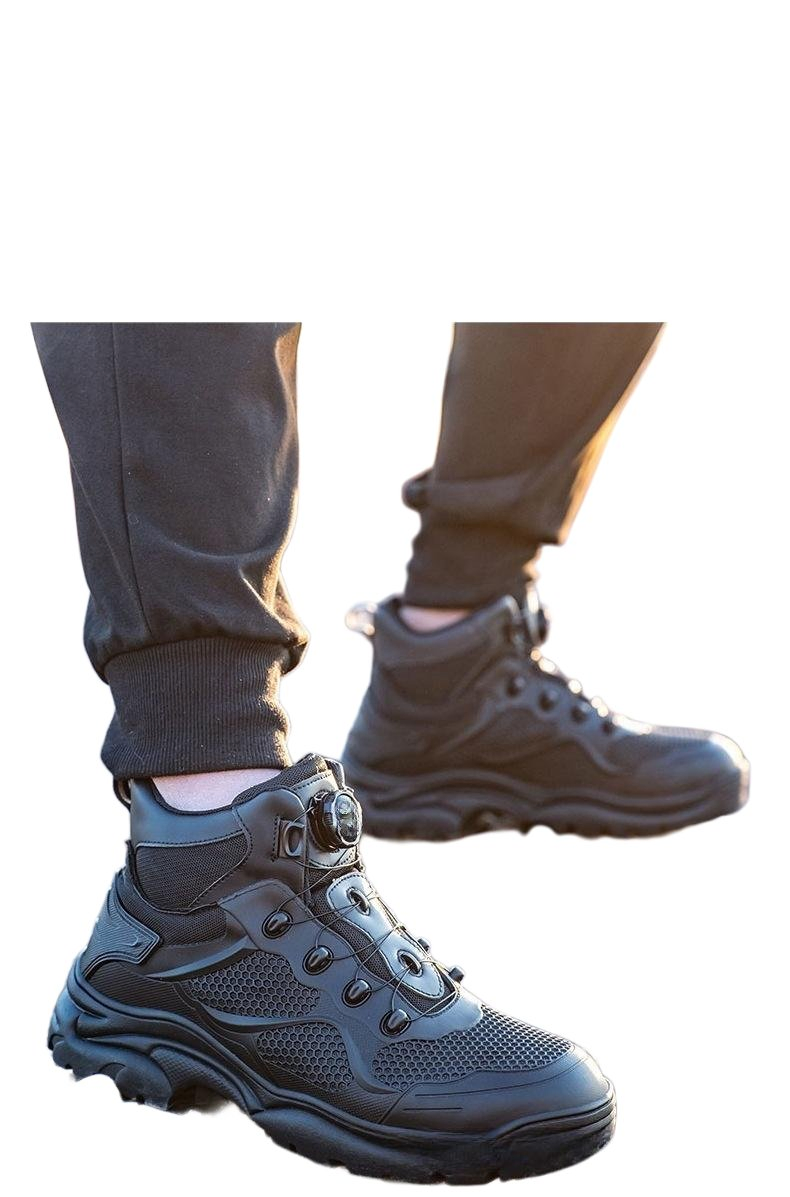
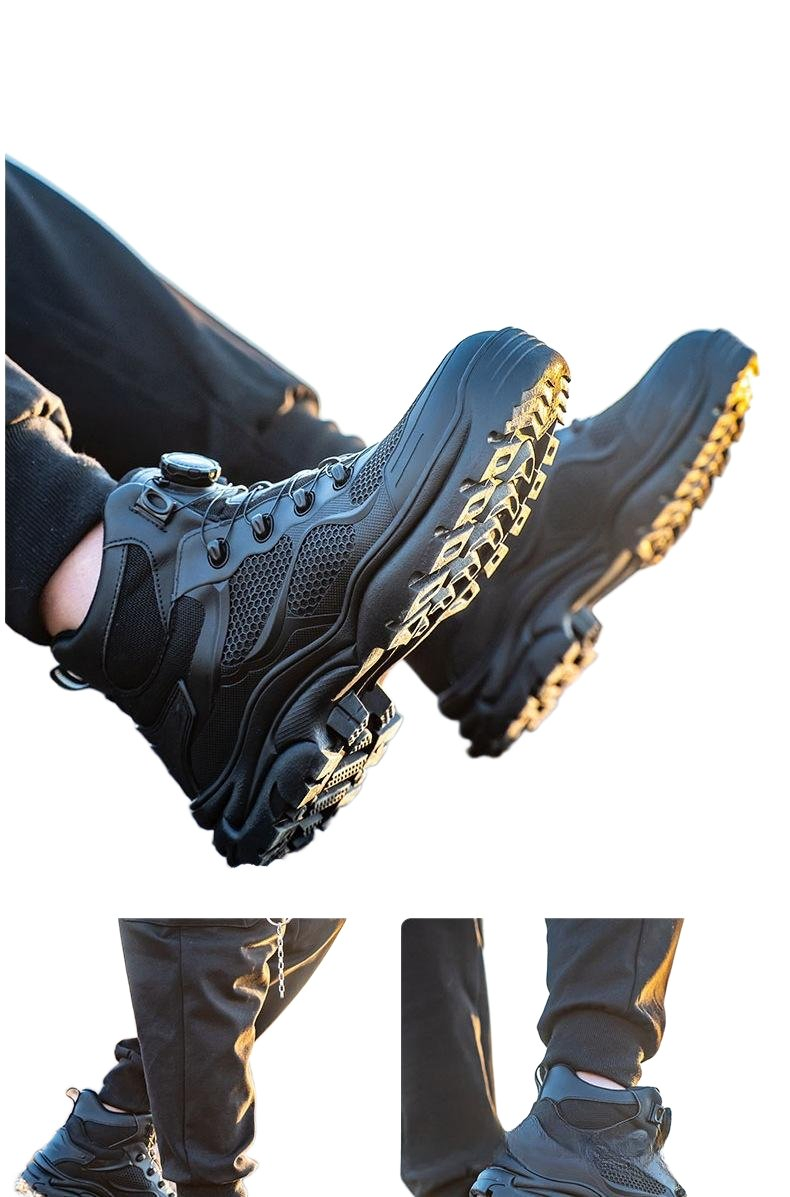
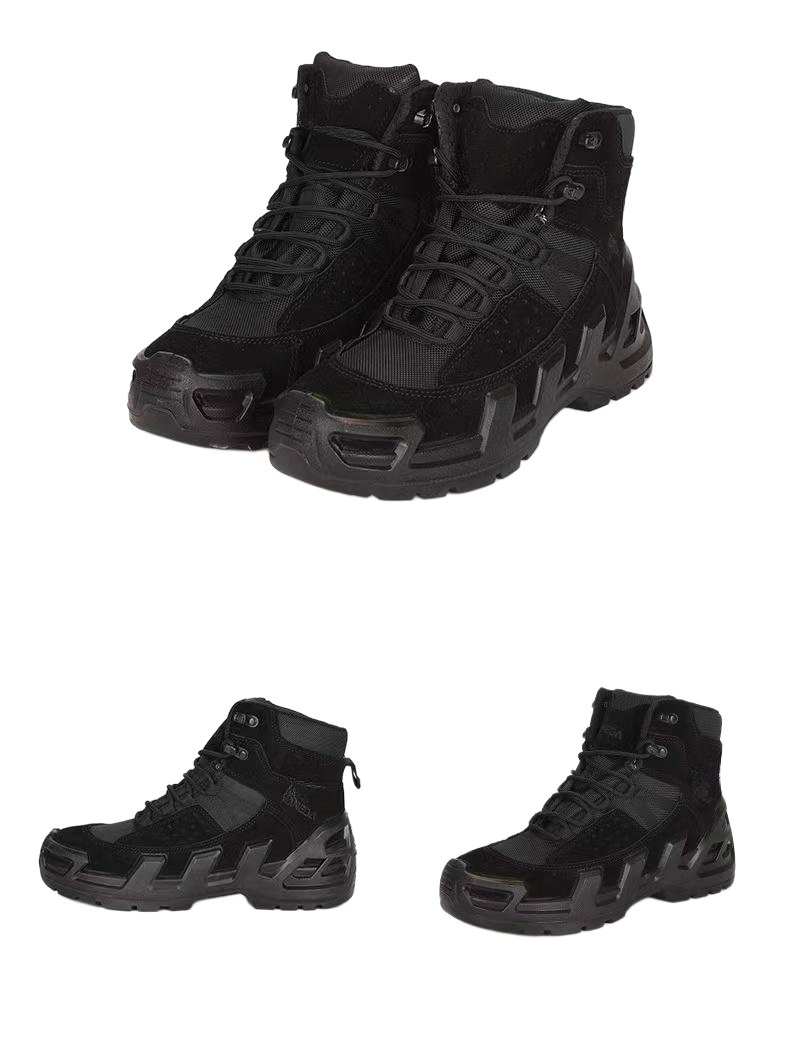
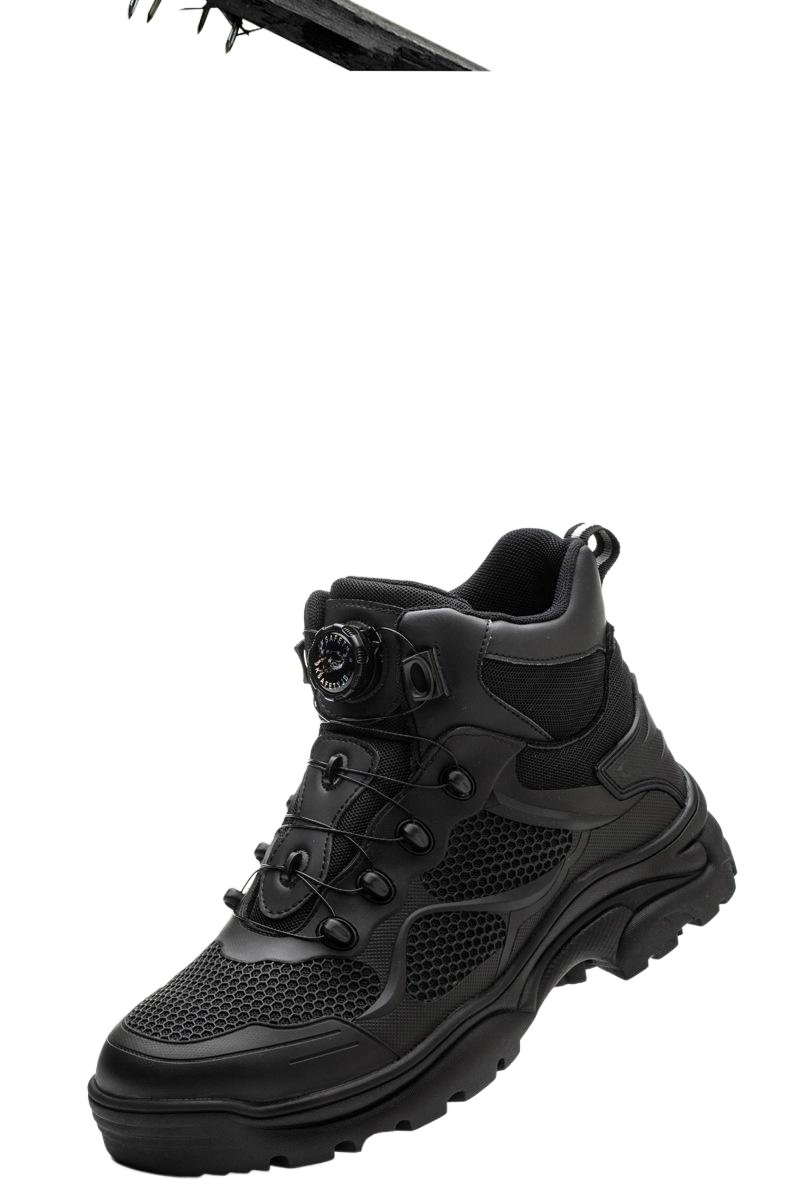
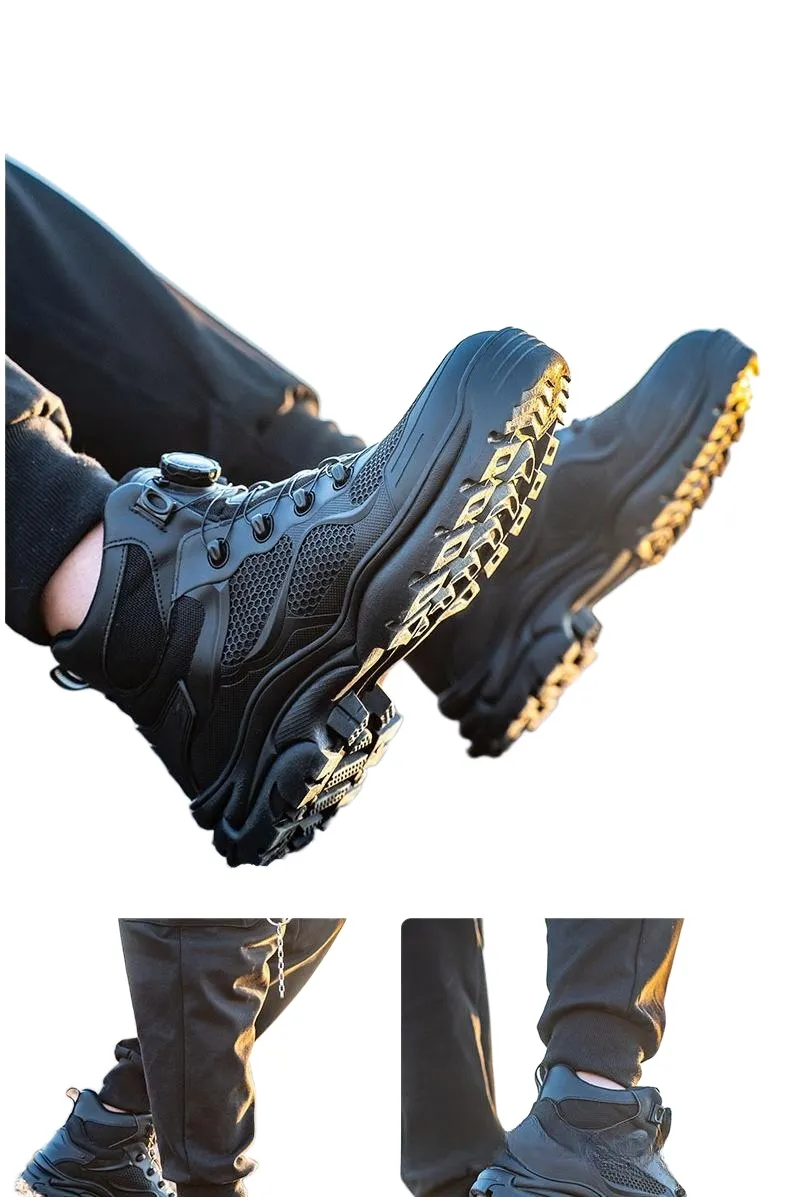
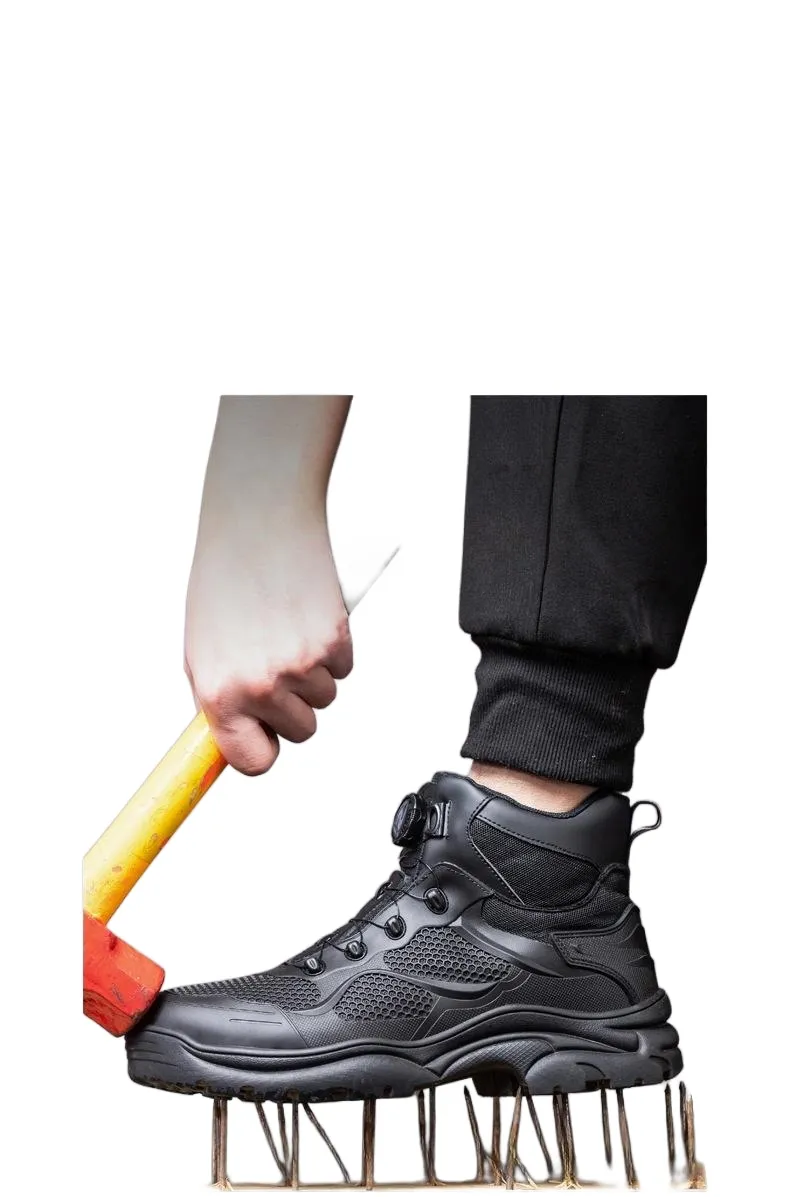
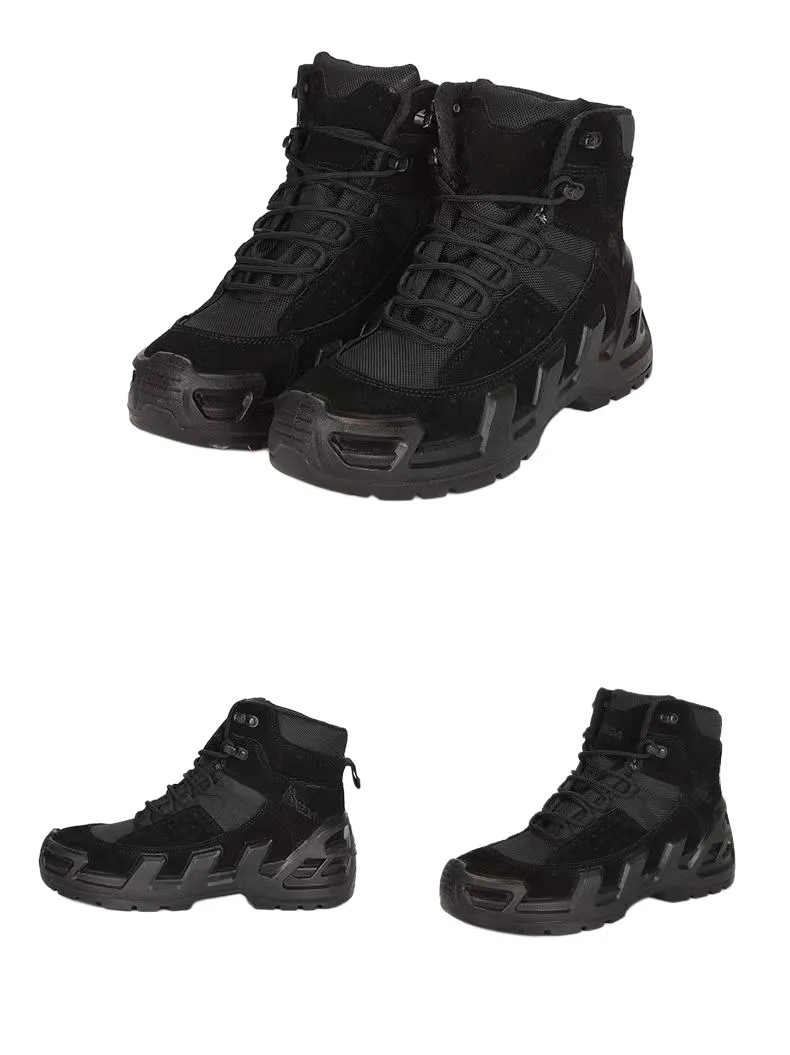
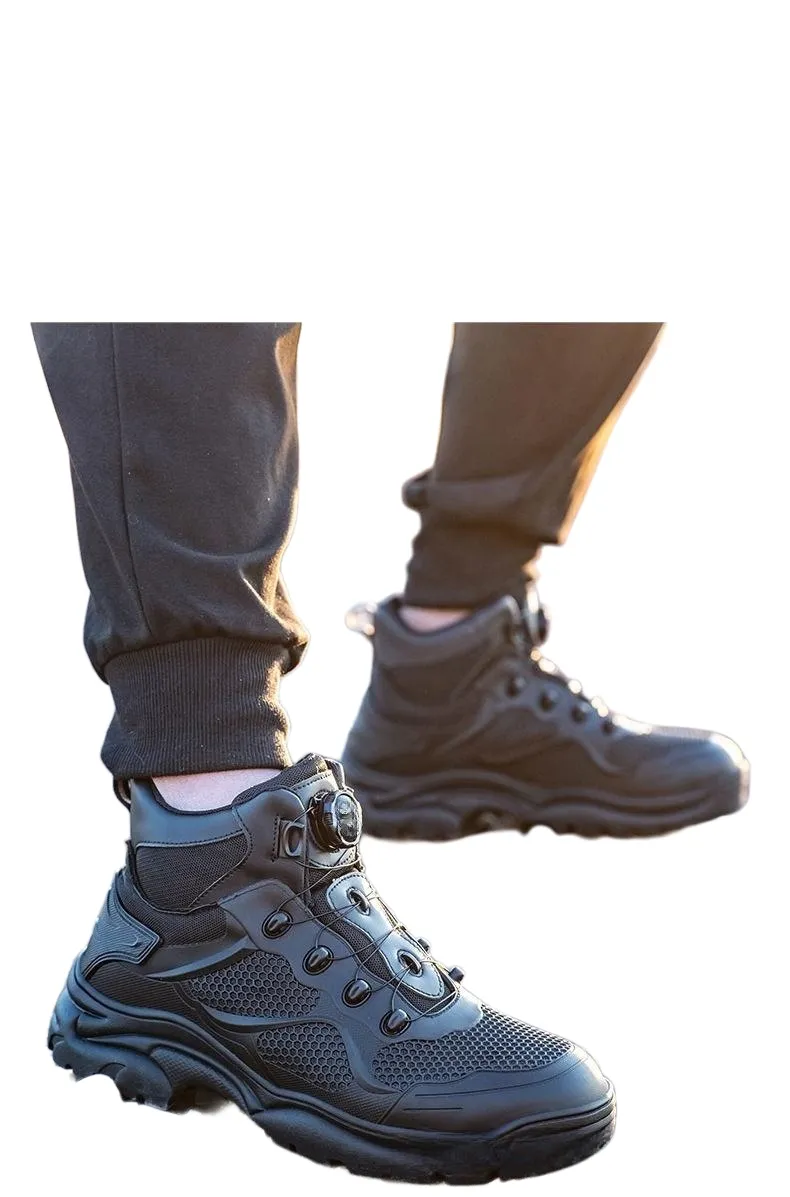
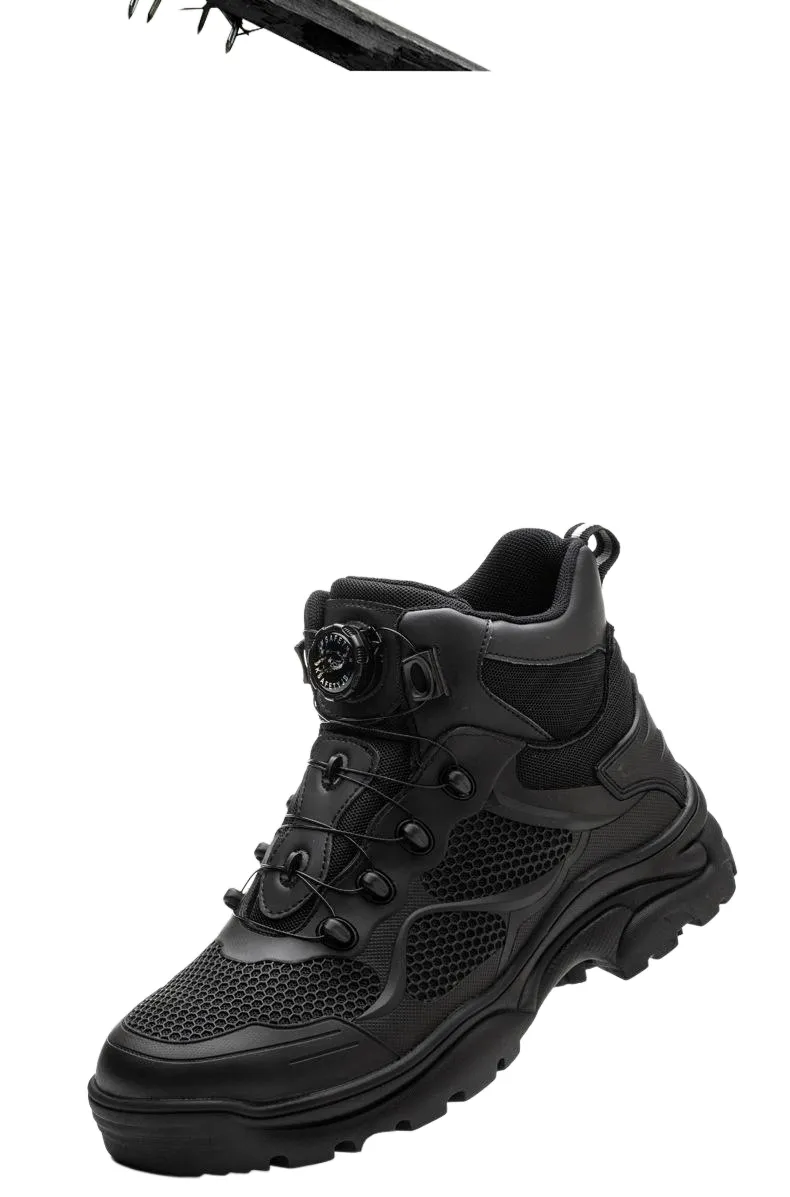
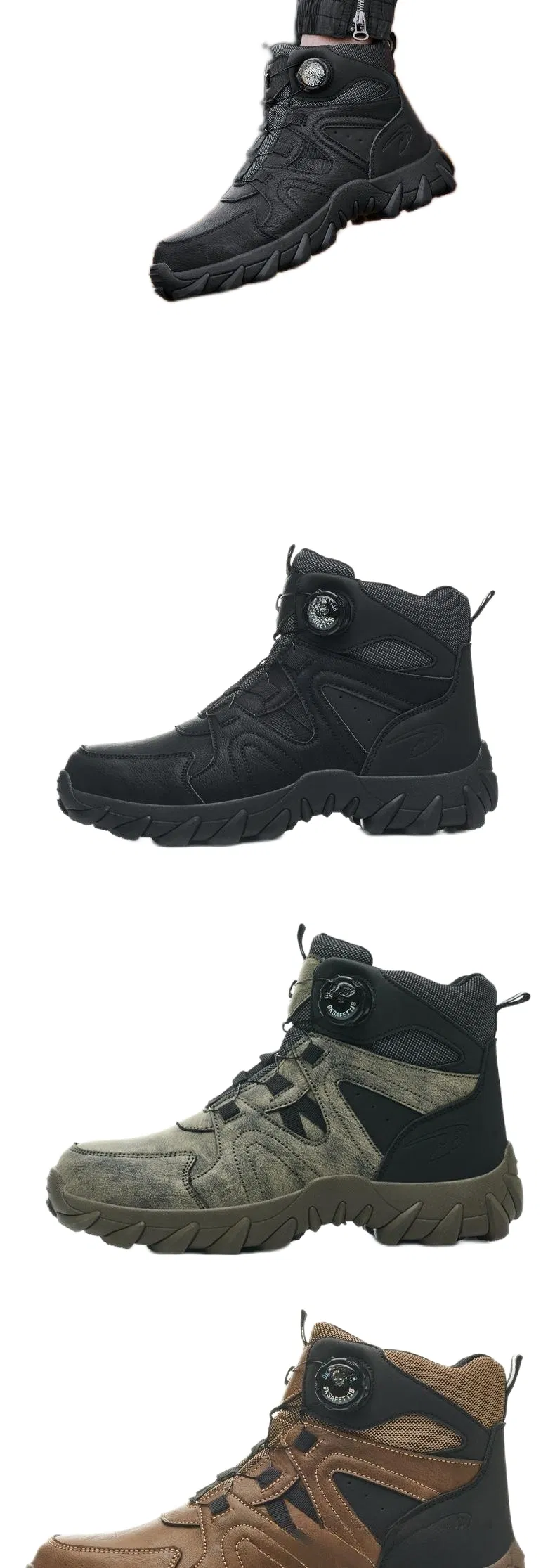
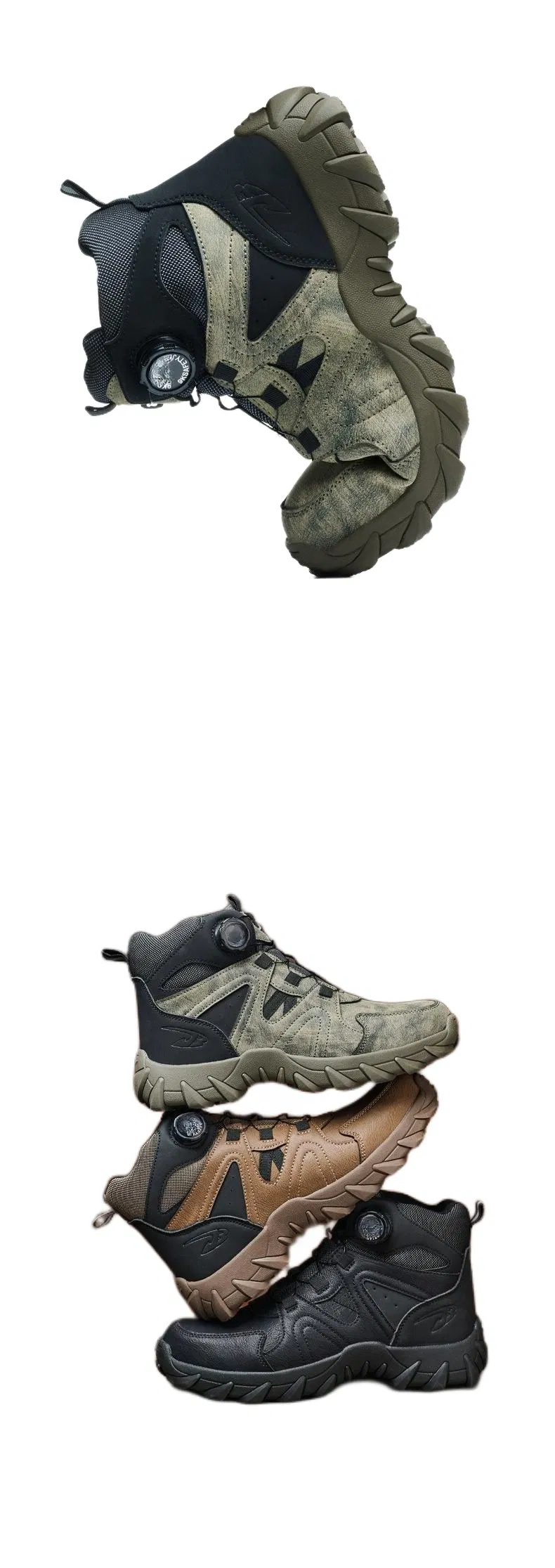
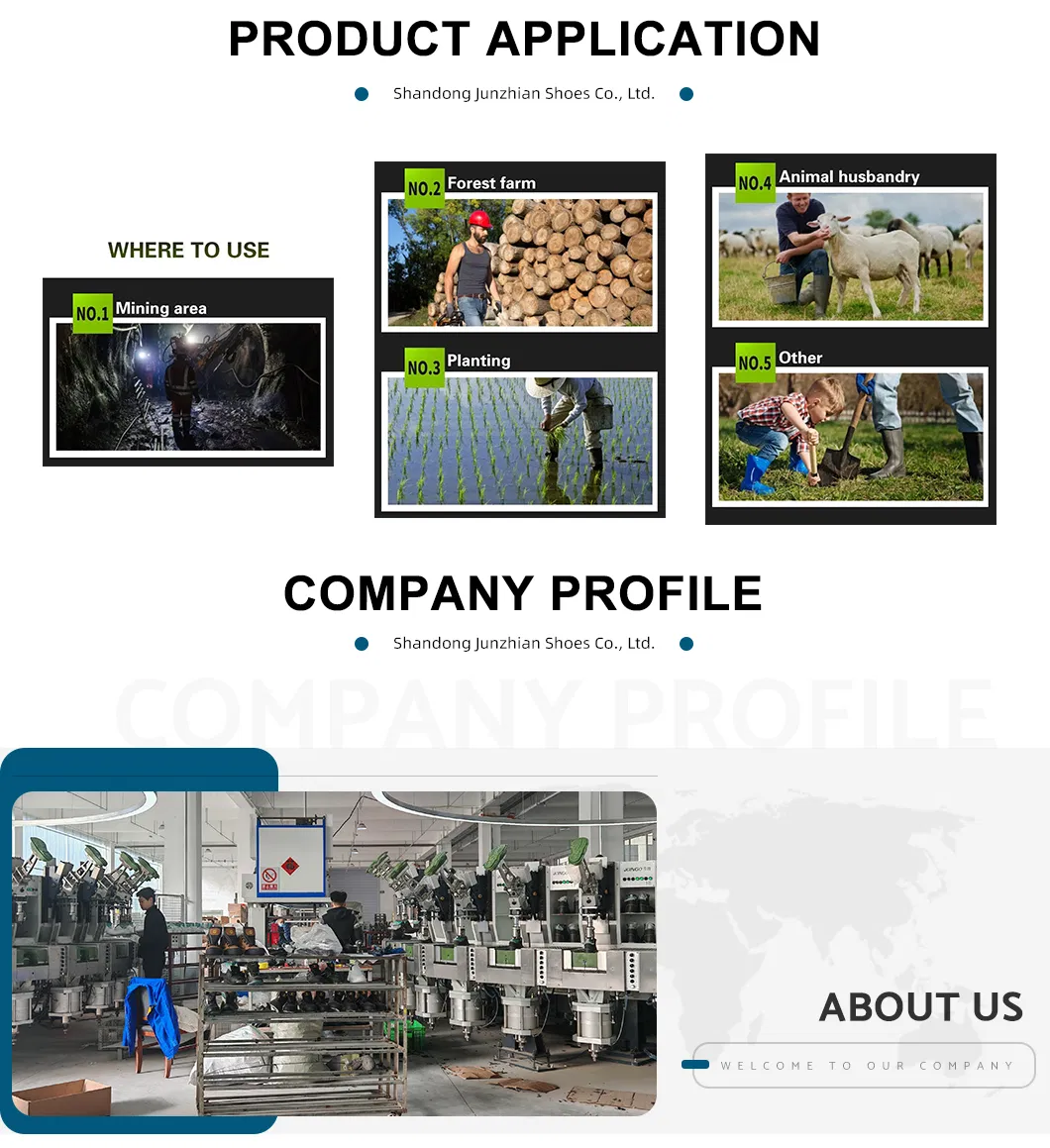
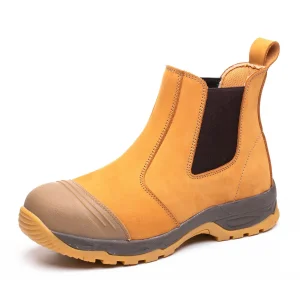
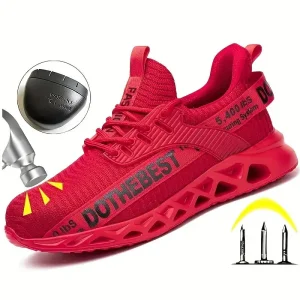
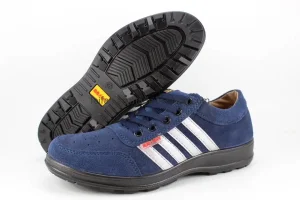
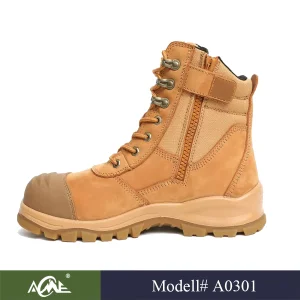
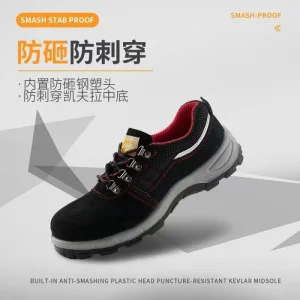
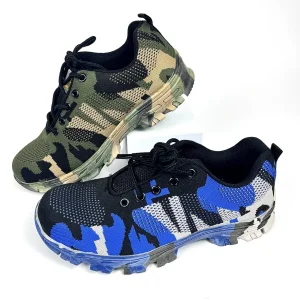
Basic Specifications
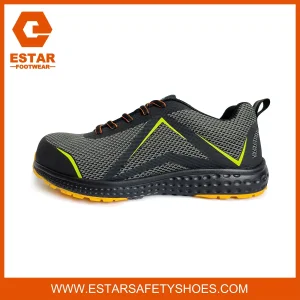
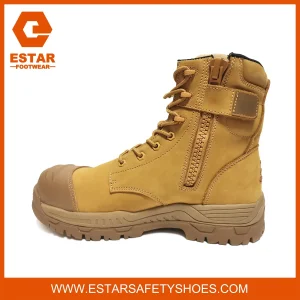
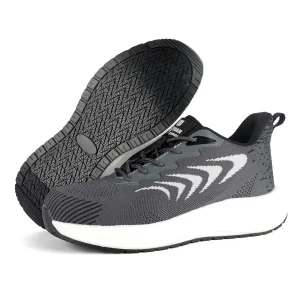
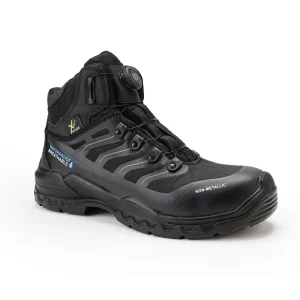
Model NO.:custom
Material:Leather
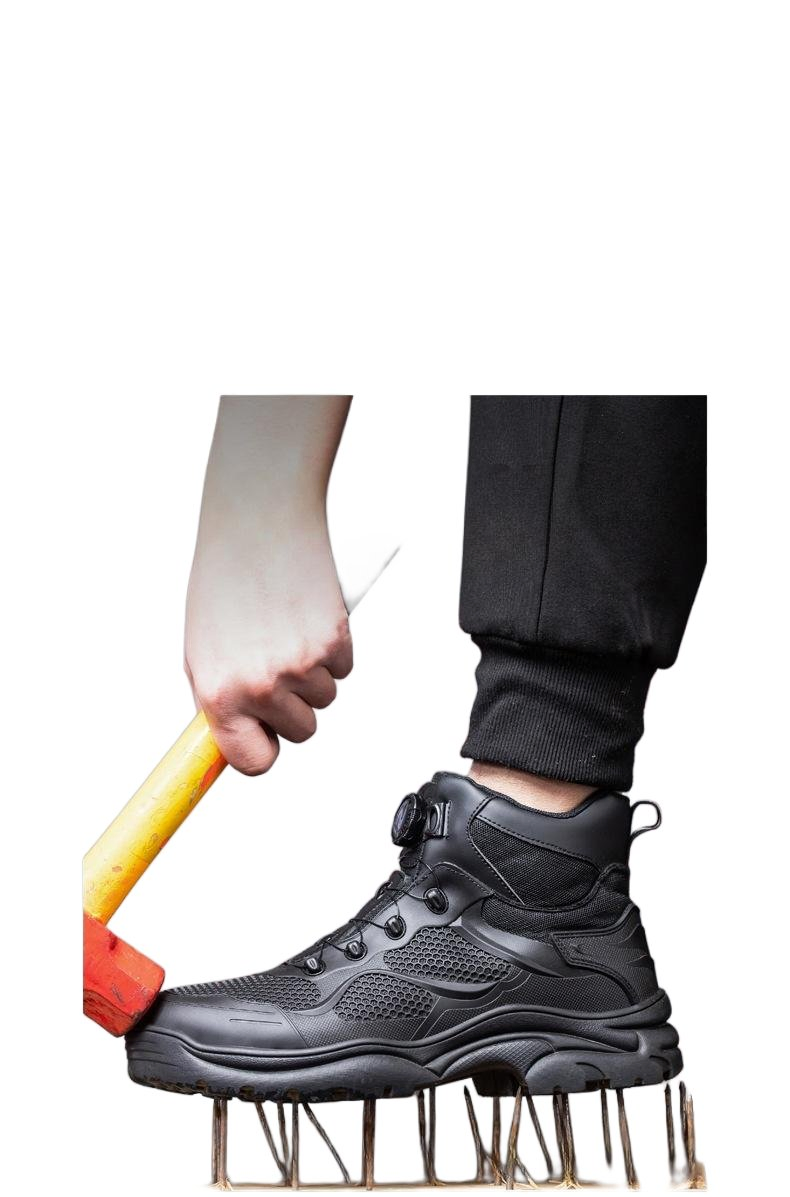
Feature:Steel Toe, Slip-Resistant, Puncture-Resistant, Waterproof, Anti-Static
Outsole Material:PU
Upper Material:Genuine Leather
Insoles:Steel
Waterproof:Waterproof
Standard:Acid and Alkali Resistant
Lining Material:Mesh
Hand Made:Yes
Origin:China
Capacity:500 Million sets/Year
Frequently Asked Questions
1. What are safety shoes and why are they necessary?
Safety shoes are specially designed footwear that protect your feet from workplace hazards such as heavy falling objects, sharp punctures, electrical hazards, and slips. They are a crucial part of Personal Protective Equipment (PPE).
2. What is the difference between Steel Toe and Composite Toe?
Steel toes are the classic standard for impact protection and are very strong. Composite toes are made from non-metal materials like carbon fiber or plastic; they are lighter and do not conduct heat or cold, making them ideal for extreme temperatures.
3. What safety standards do these shoes meet?
Our footwear is designed to meet rigorous standards such as ASTM F2413 for impact/puncture resistance. These standards ensure the shoes provide the necessary protection required by OSHA for hazardous environments.
4. How should safety shoes fit for maximum protection?
They should fit snugly but not tightly. Your toes should not press against the safety toe cap while standing or walking. Ensure there is enough room to wiggle your toes, especially when wearing work socks.
5. How long do safety shoes typically last?
Depending on the work environment, safety shoes should generally be replaced every 6 to 12 months. Regular inspection for worn-out outsoles, cracked leather, or damaged toe caps is highly recommended.
6. Do you offer Electrical Hazard (EH) rated footwear?
Yes, EH rated shoes are designed to provide a secondary layer of protection against accidental contact with open electrical circuits by resisting a specific amount of electricity.
 Lento Shoe