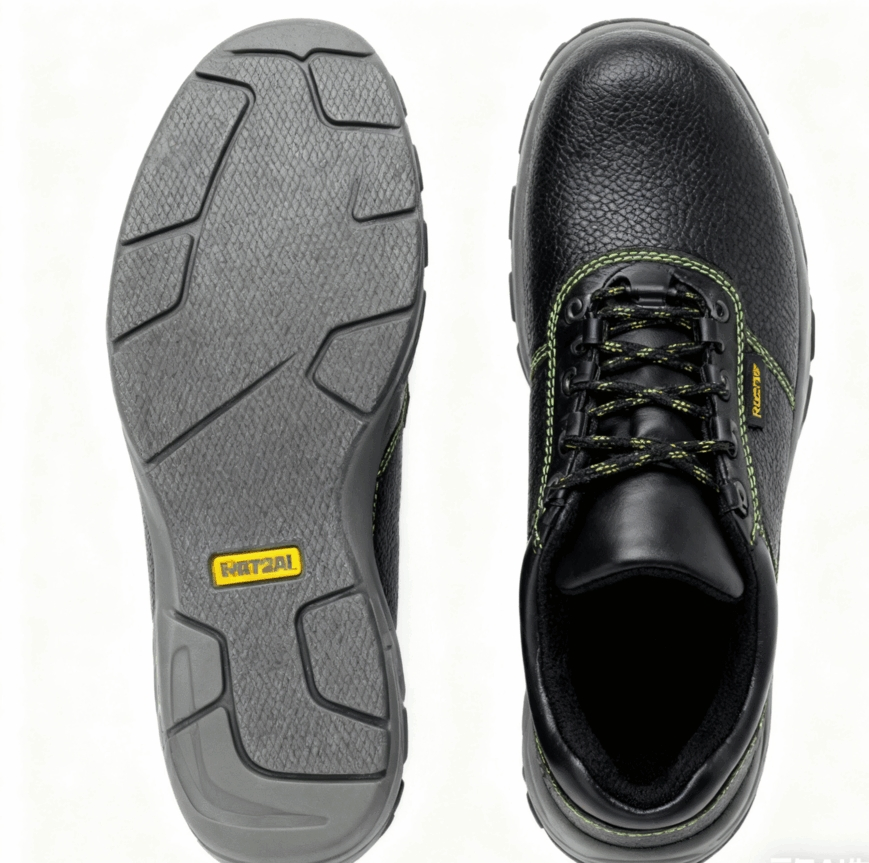
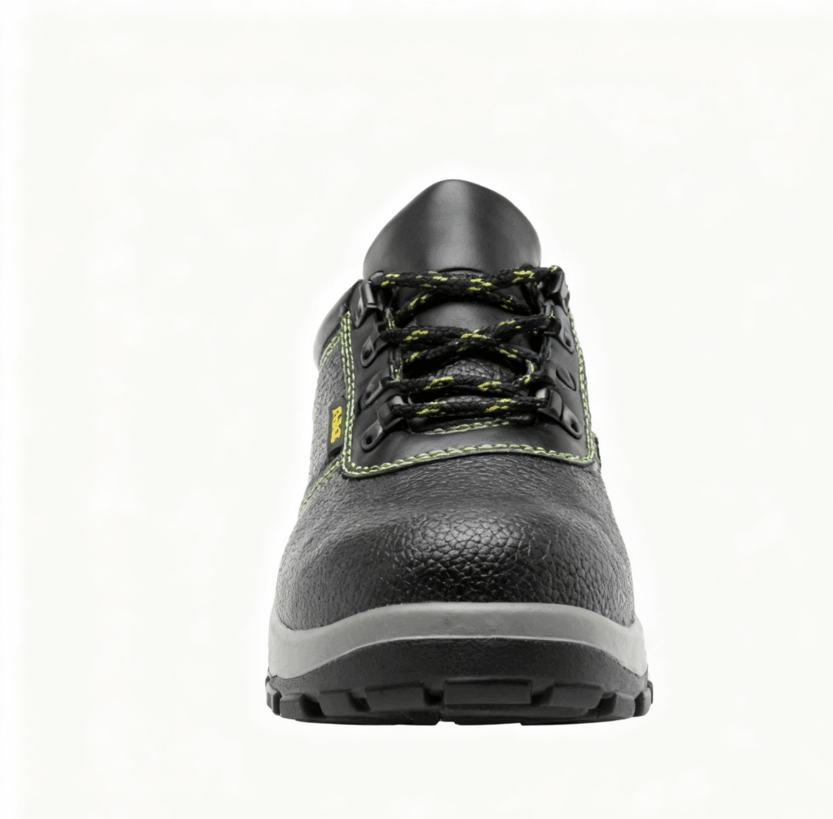
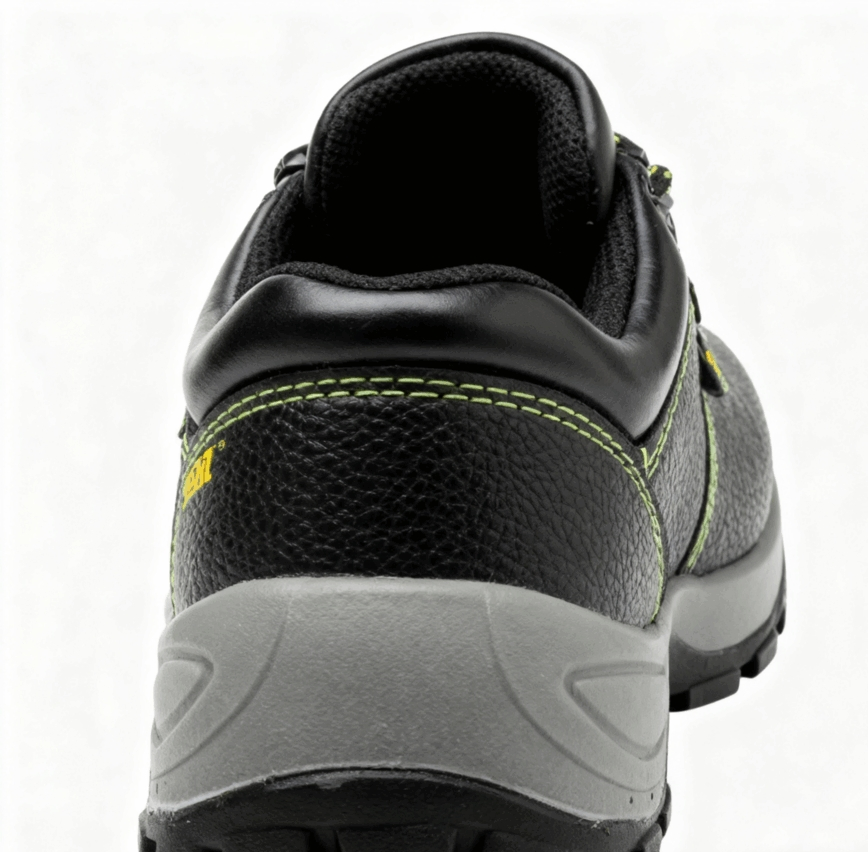
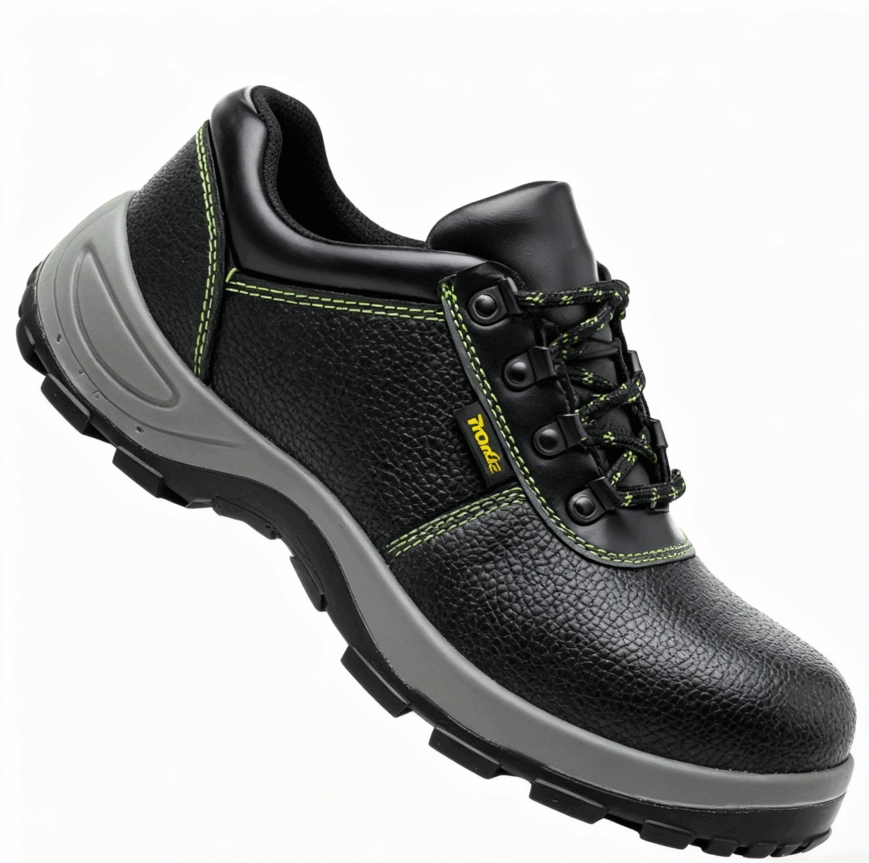
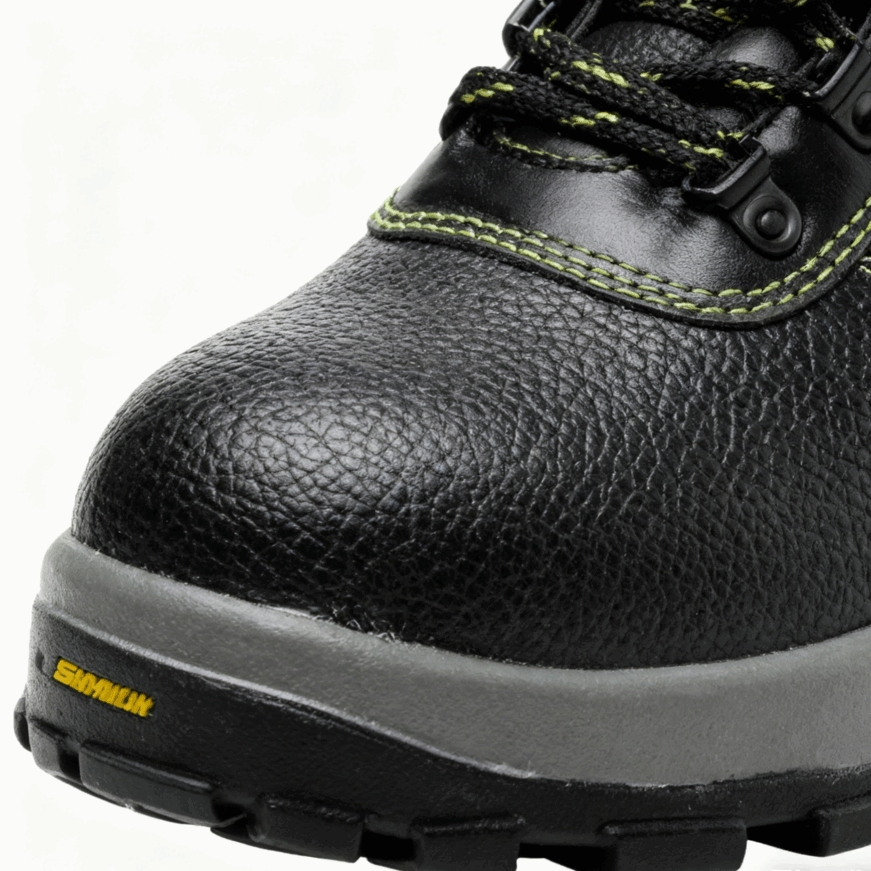
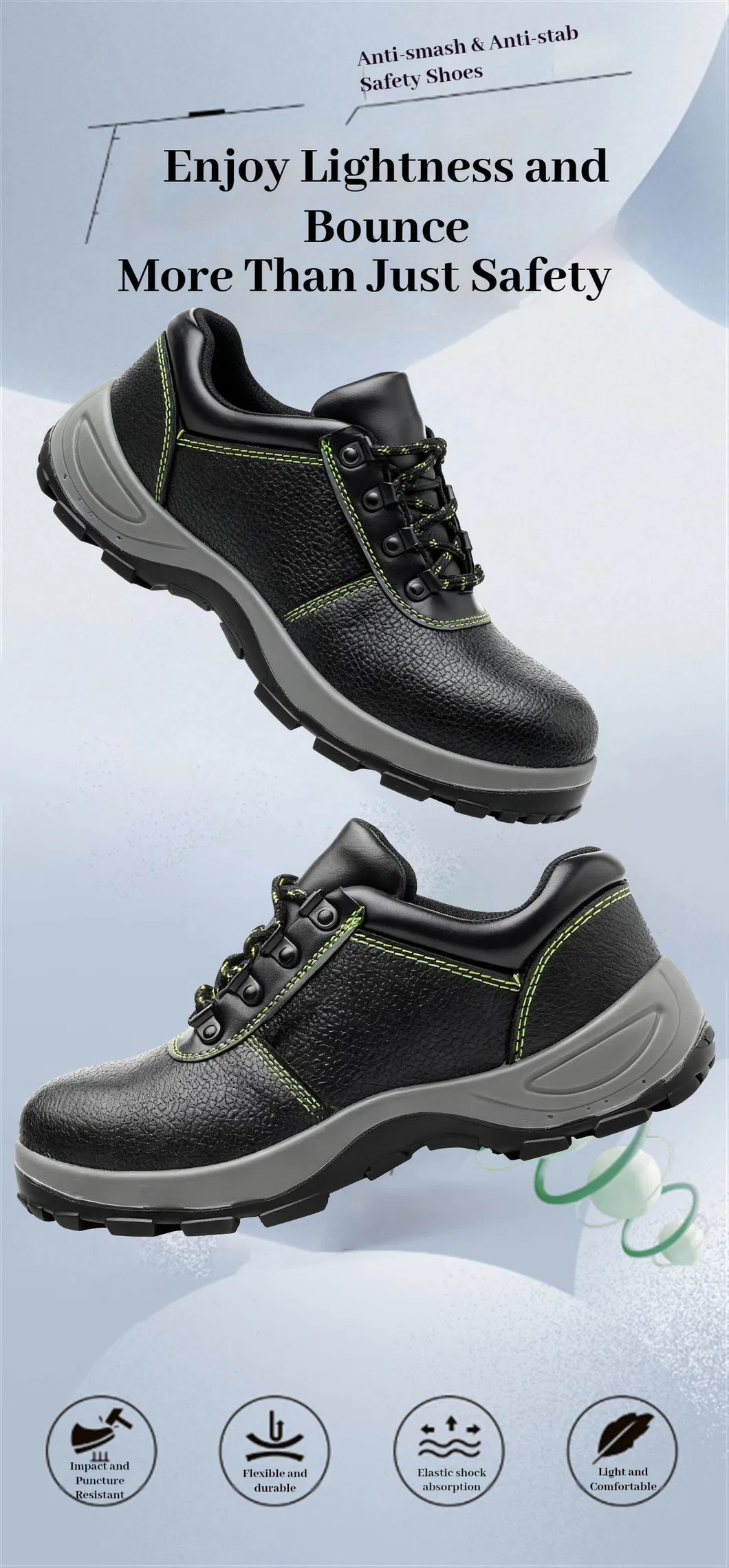
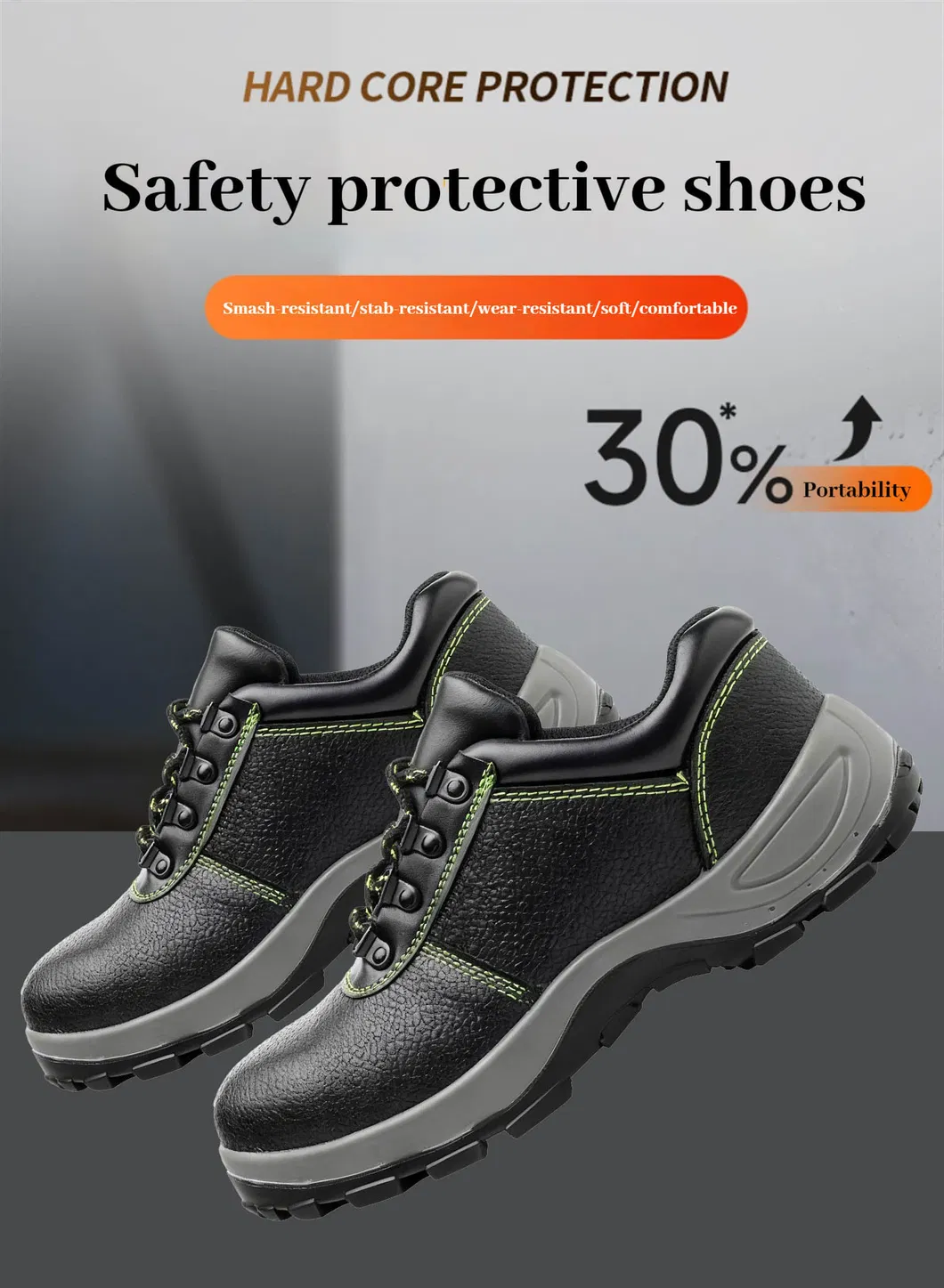
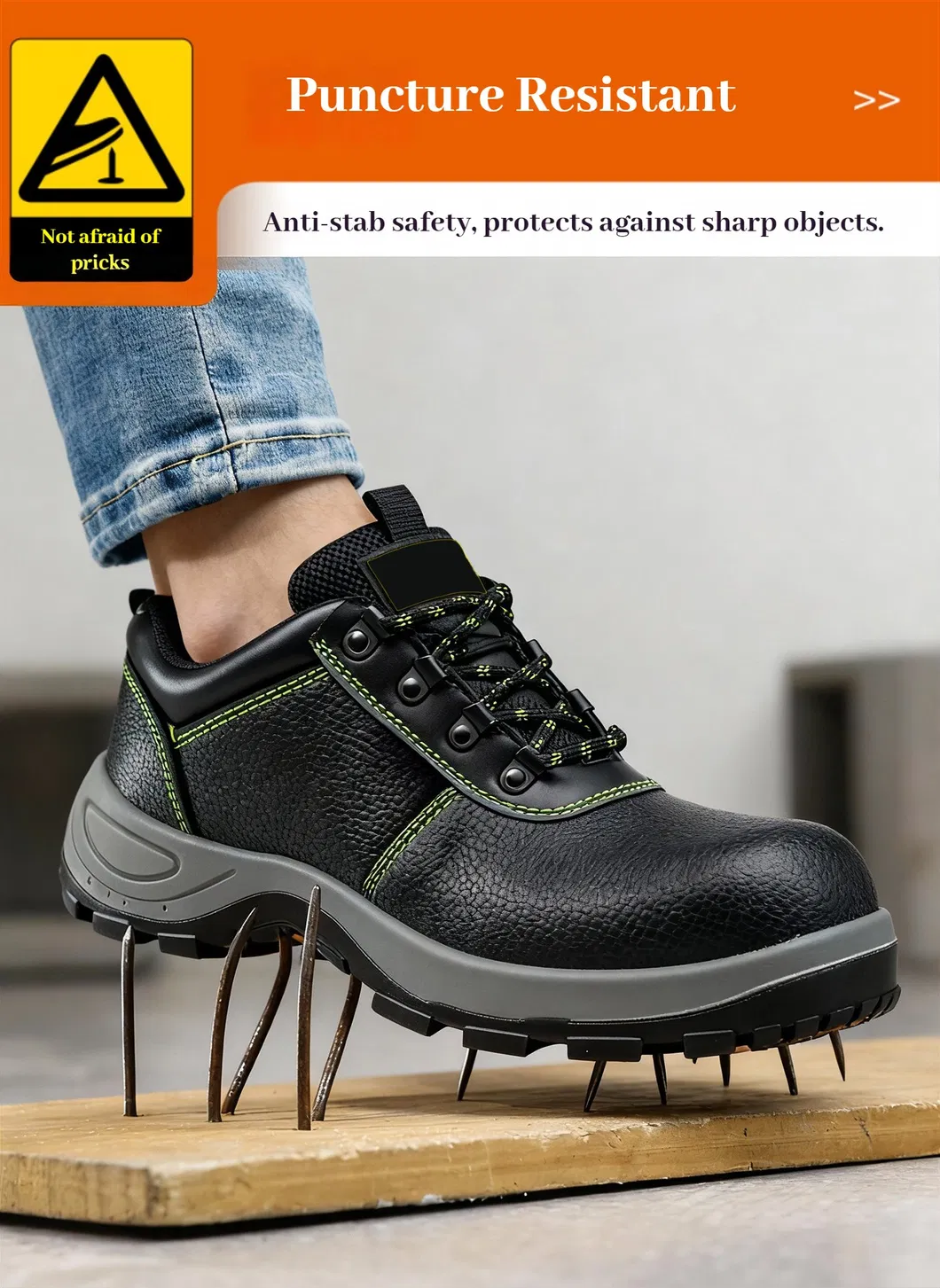
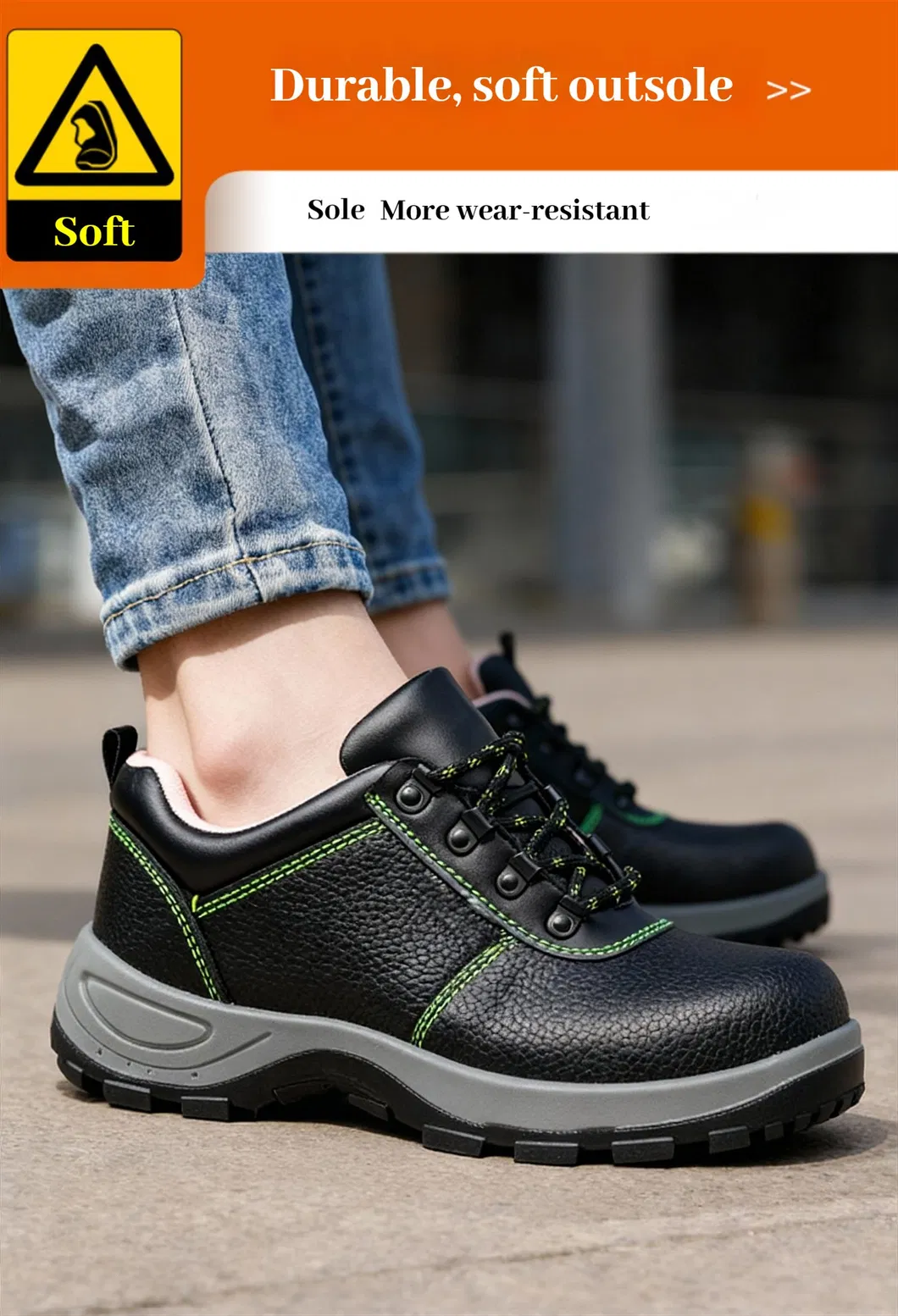
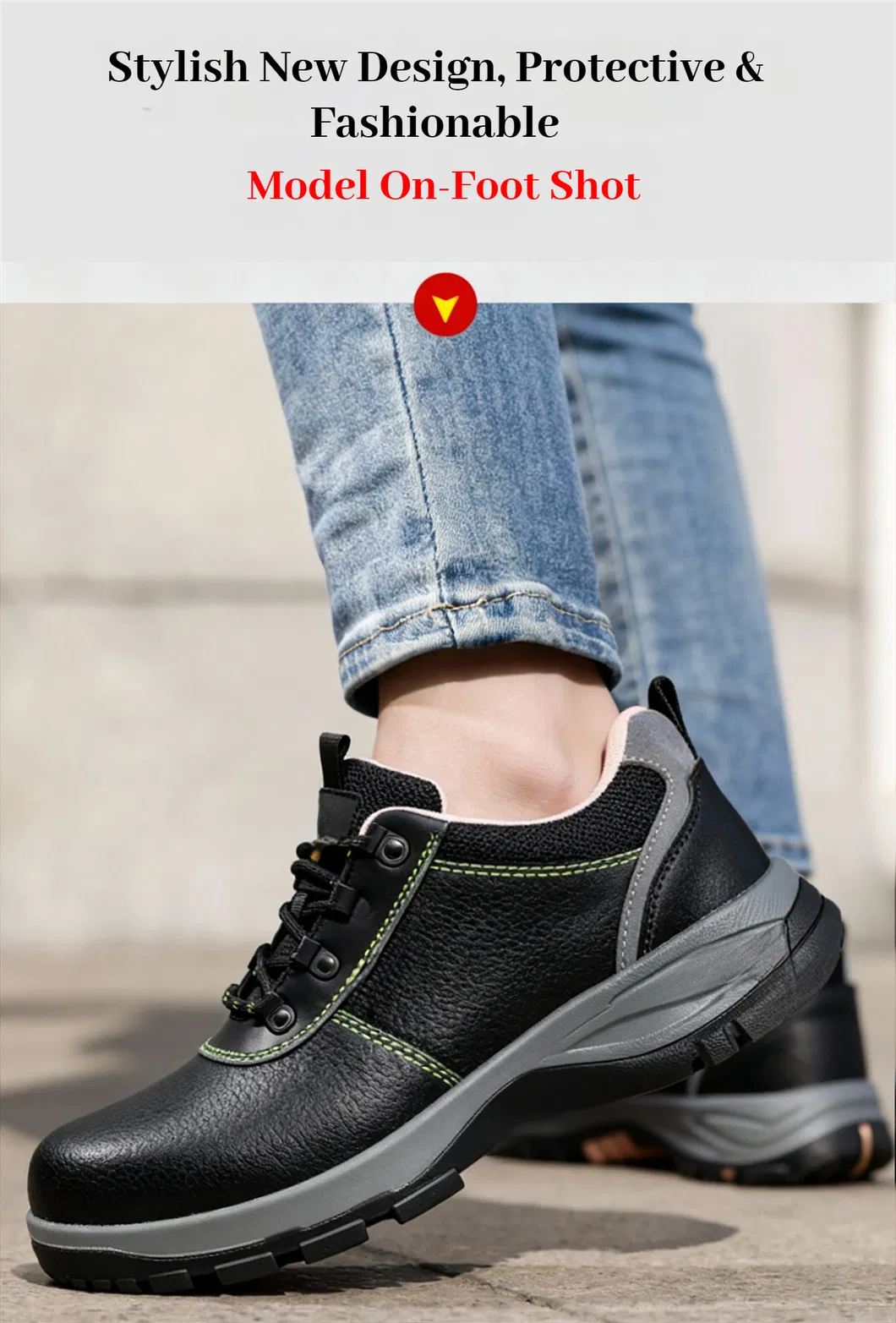
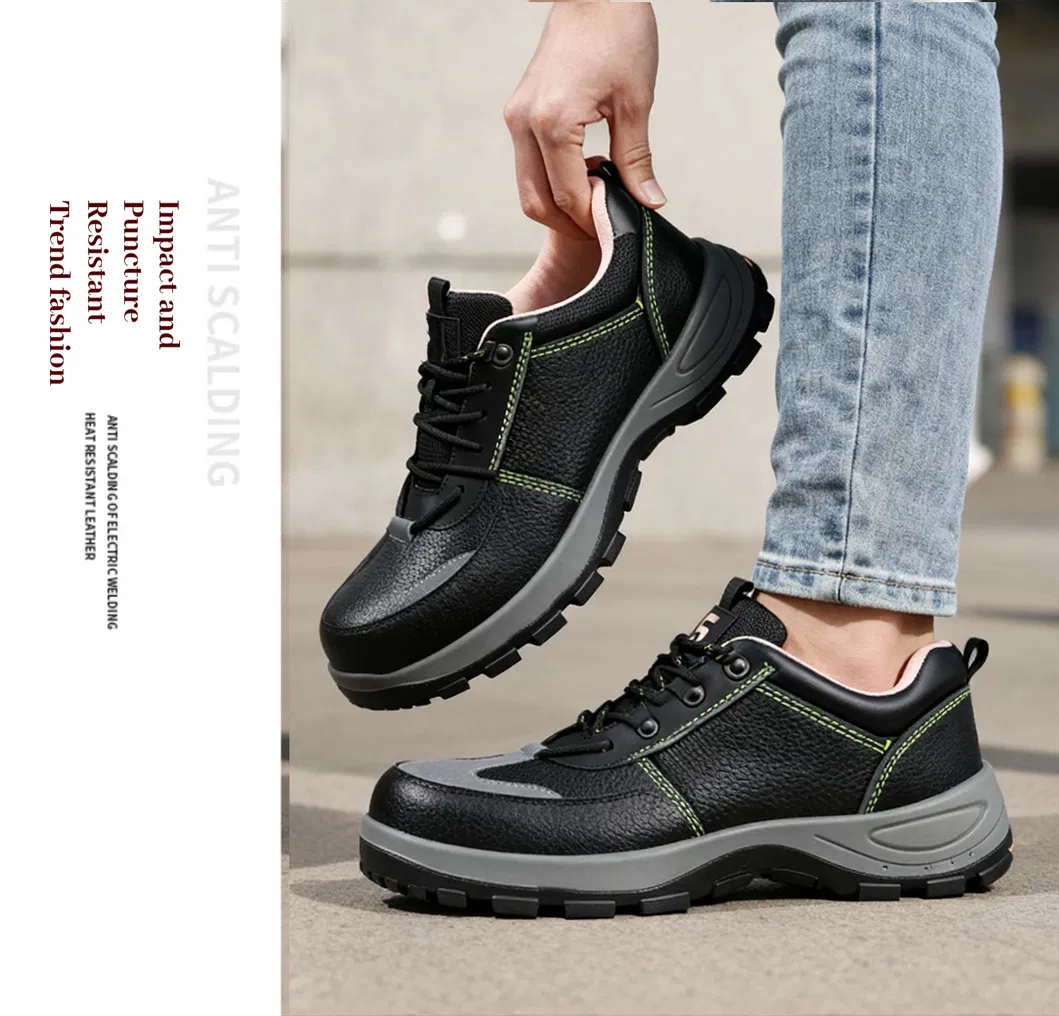
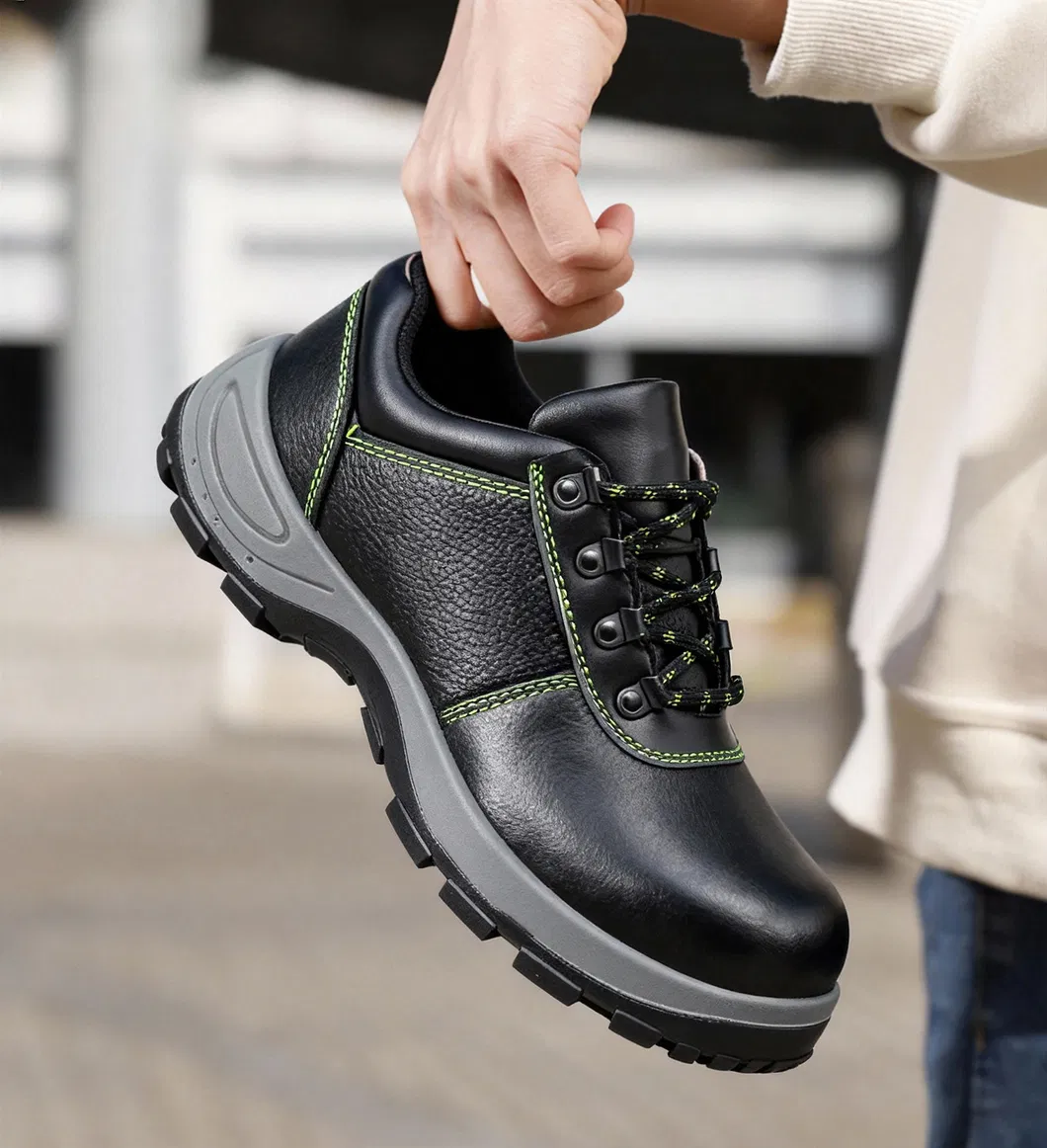
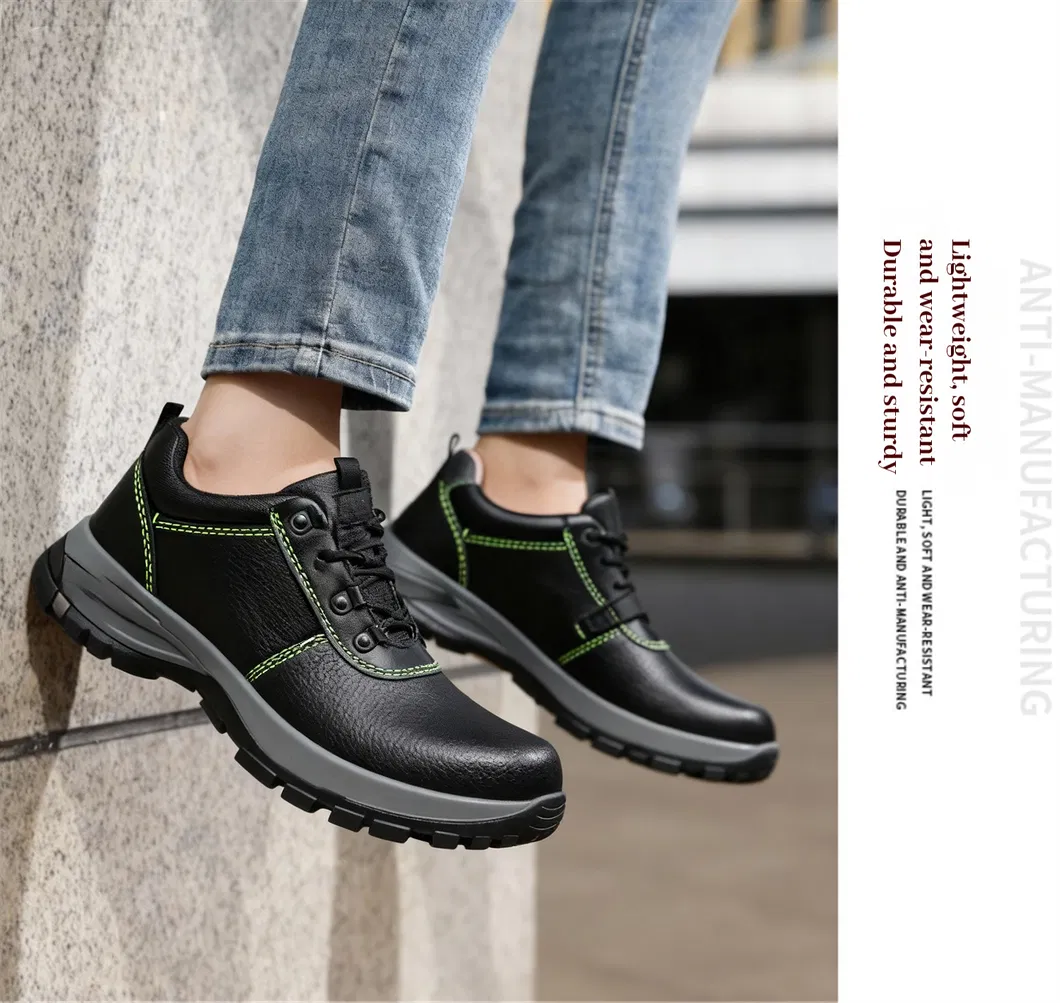
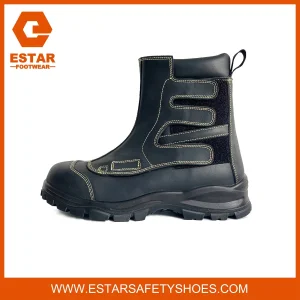
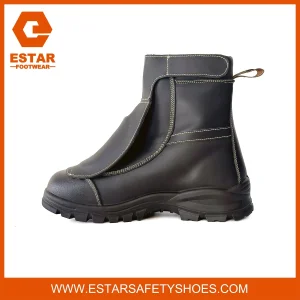
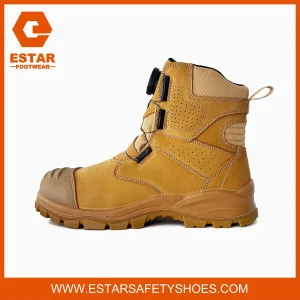
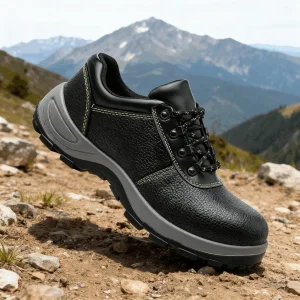
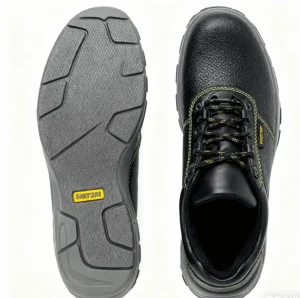
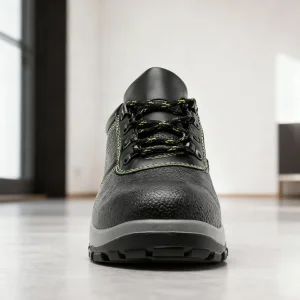
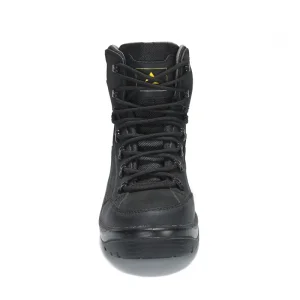
Metatarsal Protection Safety Boots with Additional Guard and Puncture Resistant Plate

Customization: Available
Color: Black
Shoe Size(US): Customizable

Product Description

📋 Basic Information
Material
Microfiber
Feature
Slip-Resistant, Puncture-Resistant
Outsole Material
PU
Upper Material
Microfiber
Insoles
PU
Waterproof
Waterproof
Acid & Alkali
Resistant
Lining Material
Mesh
Gender
Unisex
Toe Cap
Steel or Composite
👟 Product Description
Safety Boots 1
Safety Boots 2
Safety Boots 3
Safety Boots 4
Safety Boots 5
Safety Boots 6
Safety Boots 7
Safety Boots 8
Weight130 Upper HeightLow-top / Mid-top
FunctionImpact and puncture resistant, anti-scald Toe StyleWidened iron head
Sole MaterialPU Injection ClosureShoelace binding
MaterialMicrofiber leather OriginChina
🏭 Recommended Scenarios:
Welding Industry Food Processing Petroleum Mining Agriculture Auto Repair Construction Steel Smelting Logistics Industrial Parks
🎨 Manufacturing Excellence
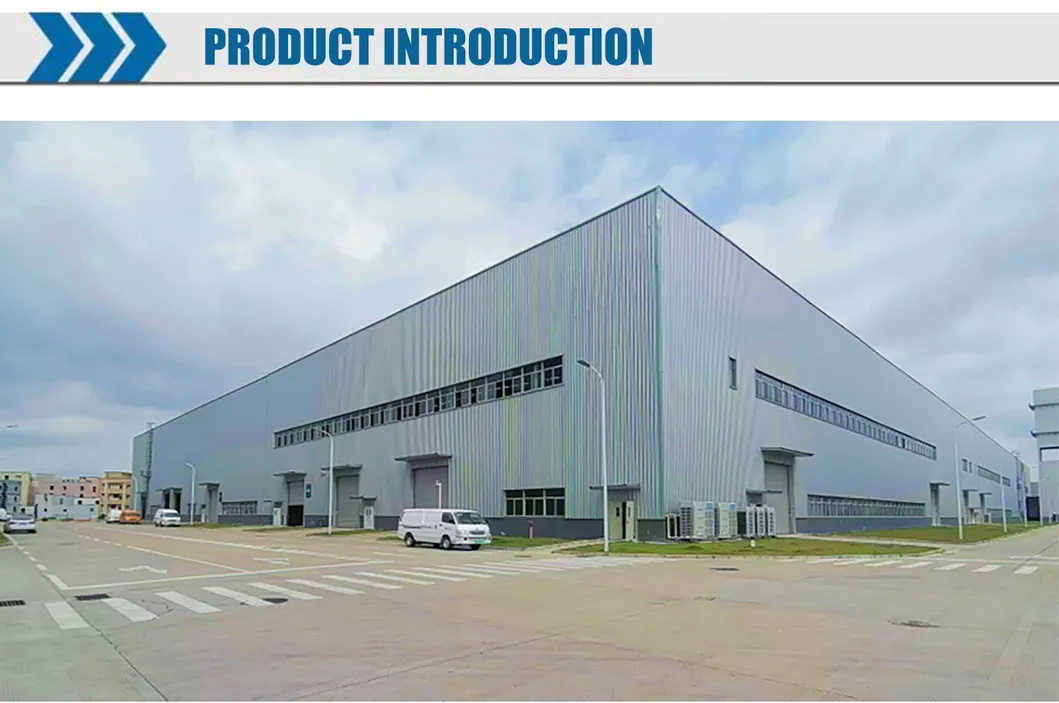
Factory Overview

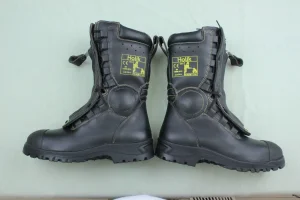
Specializing in the production and processing of professional protective footwear, including 6kv to 10kv rated safety shoes. The facility focuses on high-performance products featuring dirt resistance, wear resistance, puncture resistance, and anti-smash capabilities. By utilizing specific materials tailored to different industrial needs, the products ensure both high protective standards and comfortable long-term wear, supported by a scientific quality management system.

📦 Packaging & Shipping
Packaging and Delivery
❓ Frequently Asked Questions
Why do I have to wear safety shoes instead of regular sneakers?
Safety shoes are Personal Protective Equipment (PPE) designed to protect feet from falling objects, punctures, electric shock, and chemicals. Regular shoes lack these specialized reinforced features.
What is the difference between steel toe and composite toe caps?
Both meet safety standards like ASTM or EN ISO. Steel is traditional and thinner, while composite (fiberglass/Kevlar) is 30% to 50% lighter and does not conduct heat or electricity.
How do I choose the correct size for safety footwear?
Try them on in the afternoon when feet are slightly swollen. Ensure there is a thumb's width of space at the front while your heel remains secure without slipping.
Are these safety shoes waterproof?
This depends on the specific model. Many of our professional models use waterproof membranes or sealed leather; please check the specific product specifications for "Waterproof" markings.
How should I maintain my boots to make them last longer?
Clean regularly with a damp cloth, air dry naturally away from direct heat, and use leather conditioners periodically to maintain flexibility and resistance.
When should I replace my safety shoes?
It is recommended to inspect them every 6 to 12 months. Replace them immediately if the protective toe cap is dented, the sole is worn smooth, or the puncture-resistant plate is compromised.

Related Products