🏭 Scenario Applications
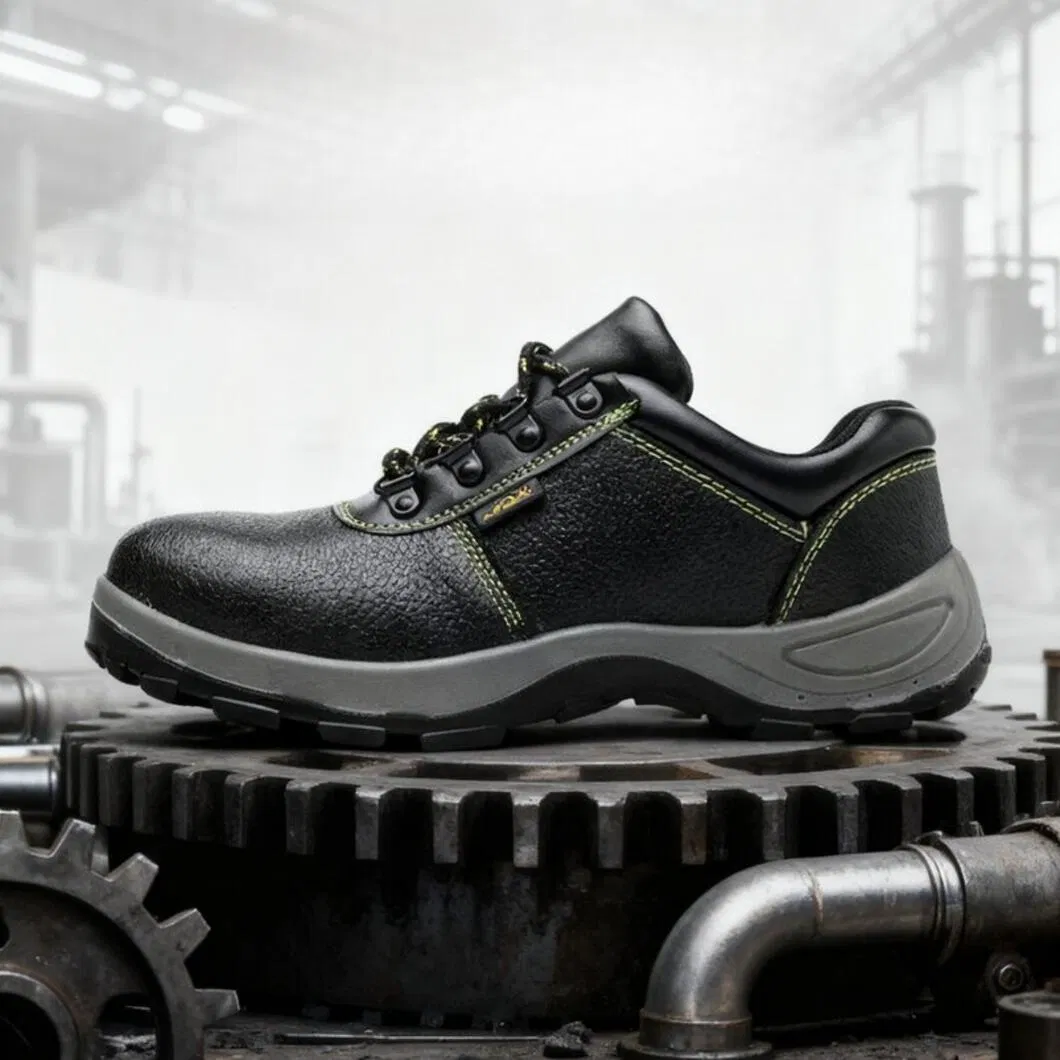
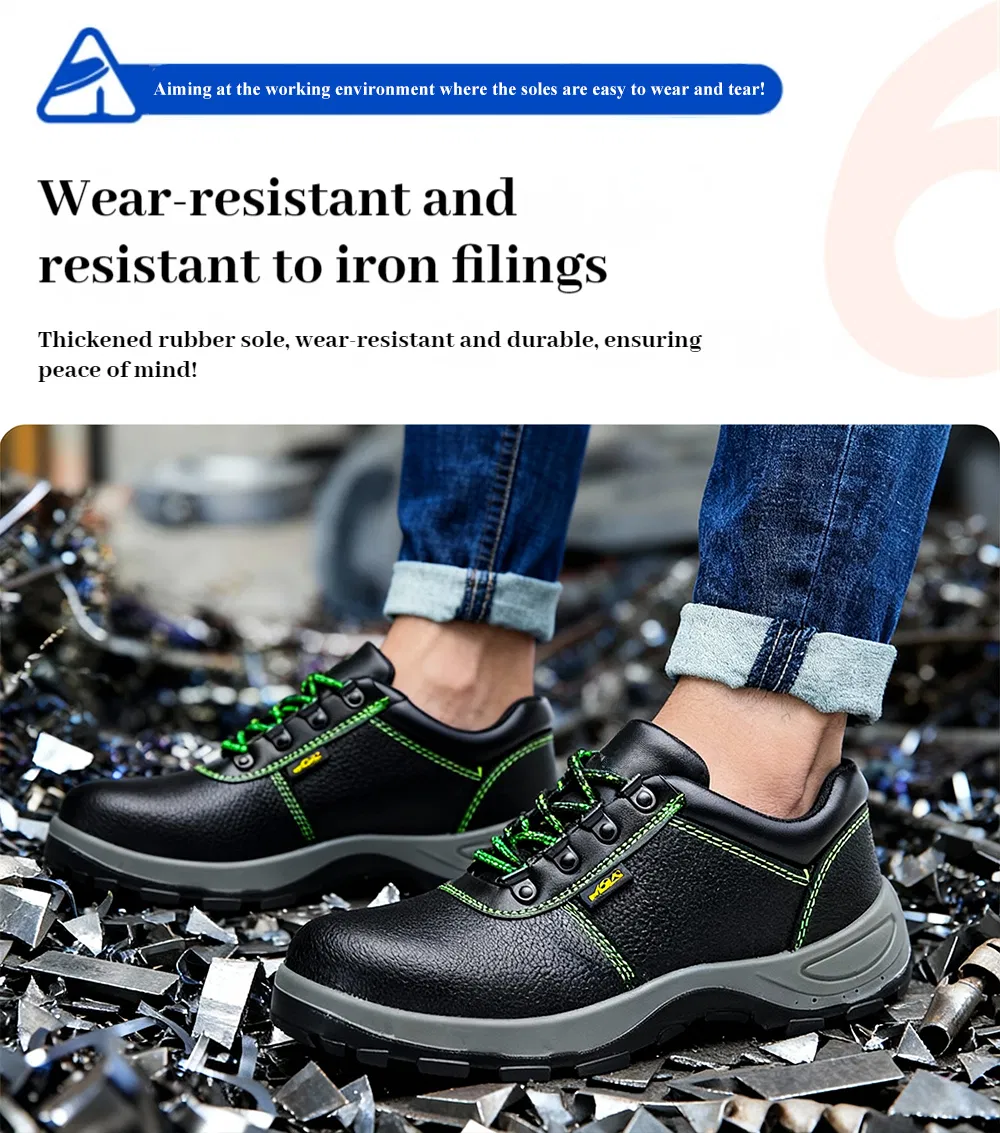
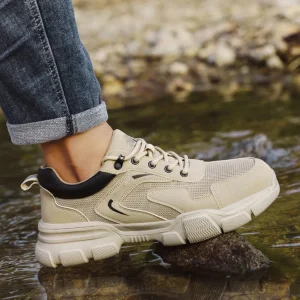
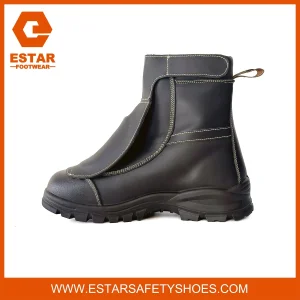
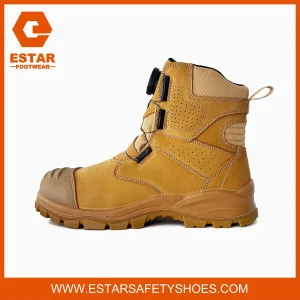
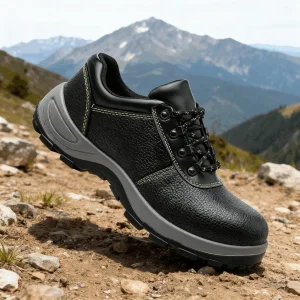
Welding industry, food processing, petroleum mining, agriculture, forestry and animal husbandry, semiconductors, electroplating, auto repair industry, forest fire prevention, steel smelting, electrical manufacturing, construction industry, electronics operations, chemical industry, glass processing, logistics industry, power industry, industrial parks, metal processing.
💎 Quality & Manufacturing
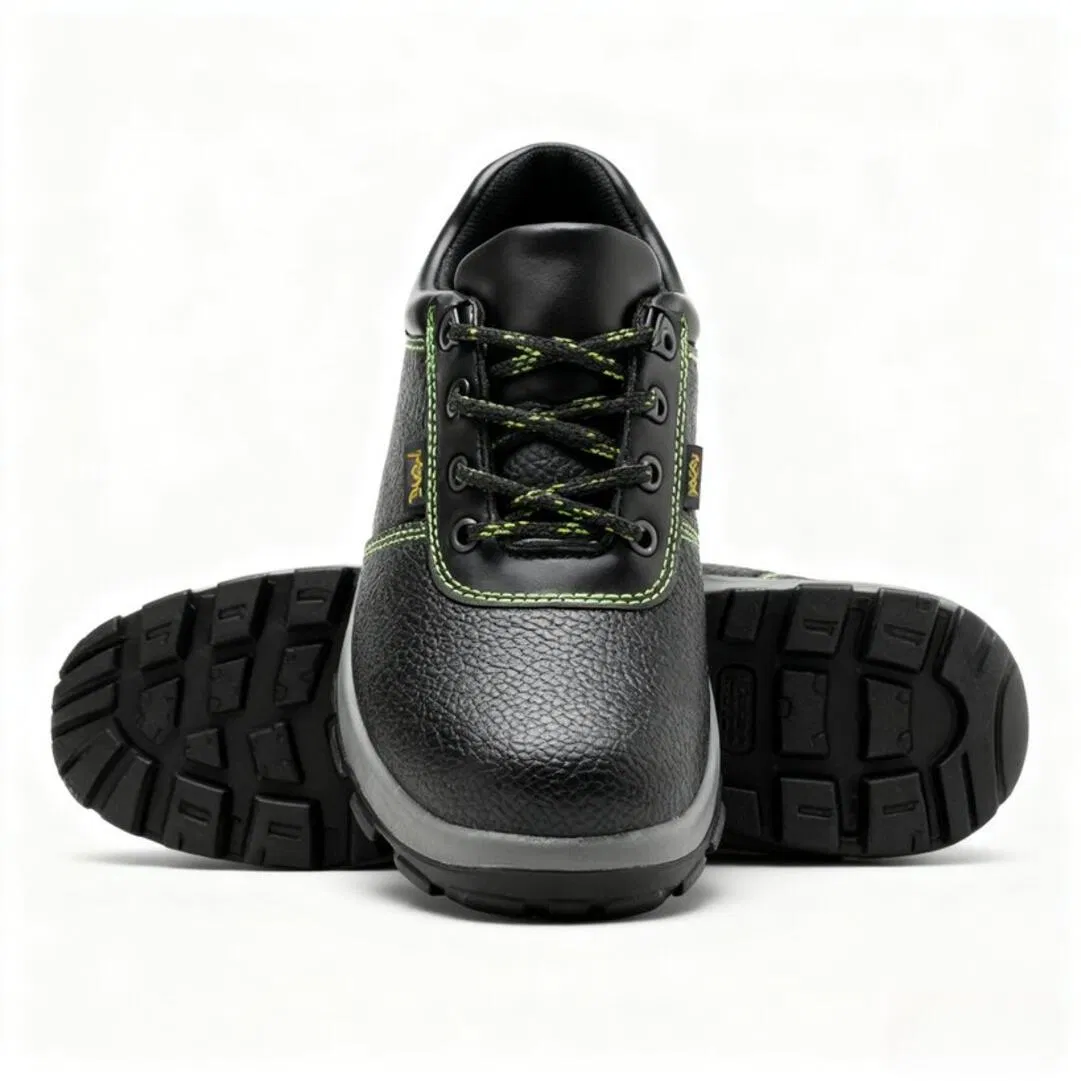
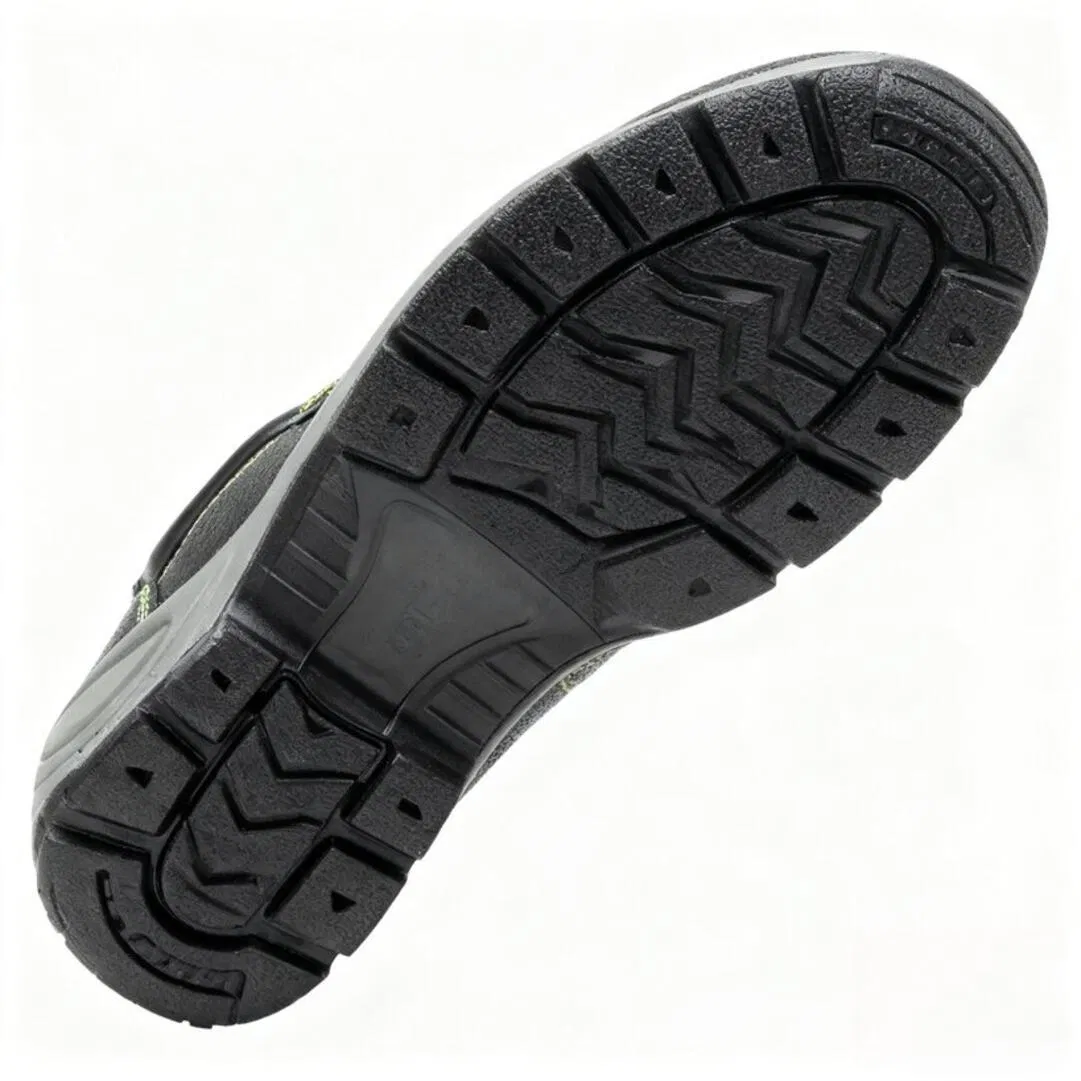
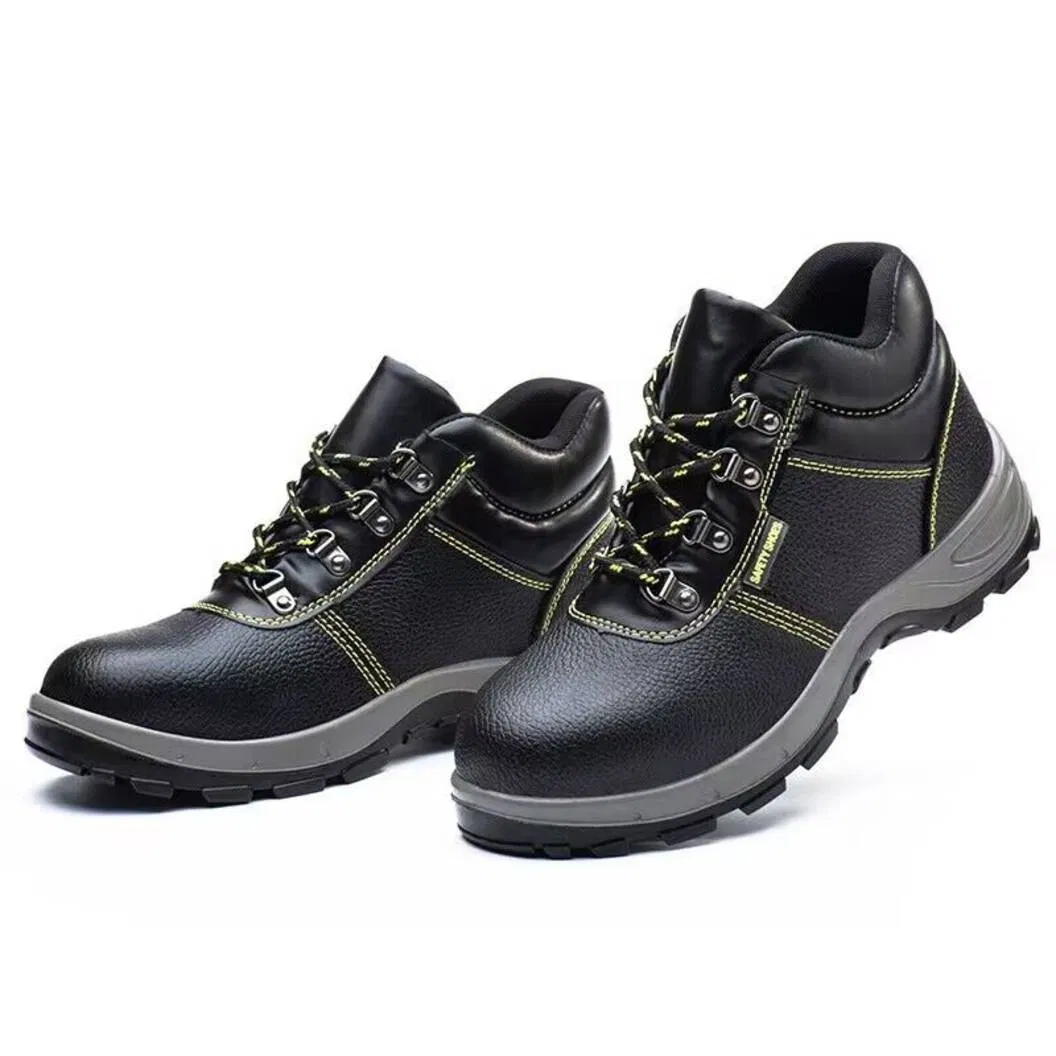
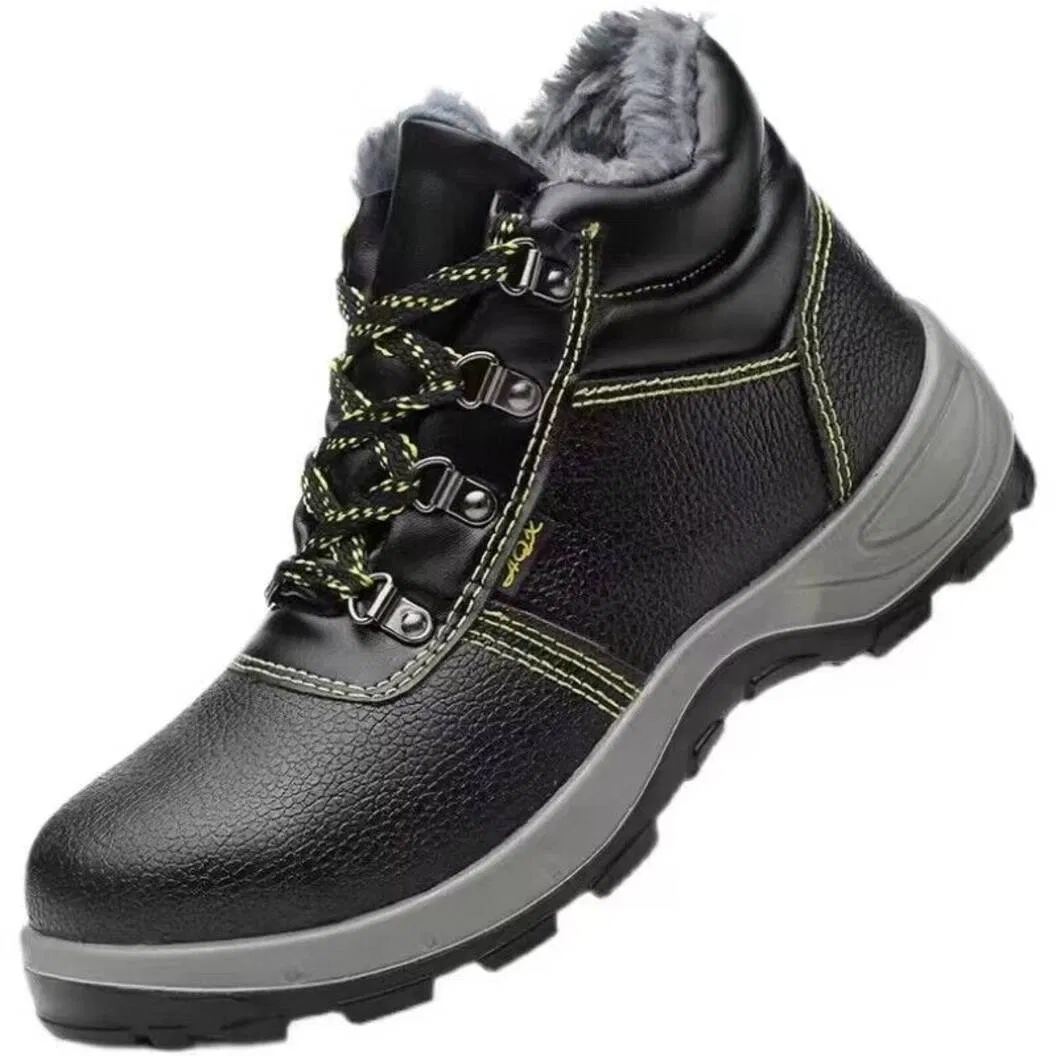
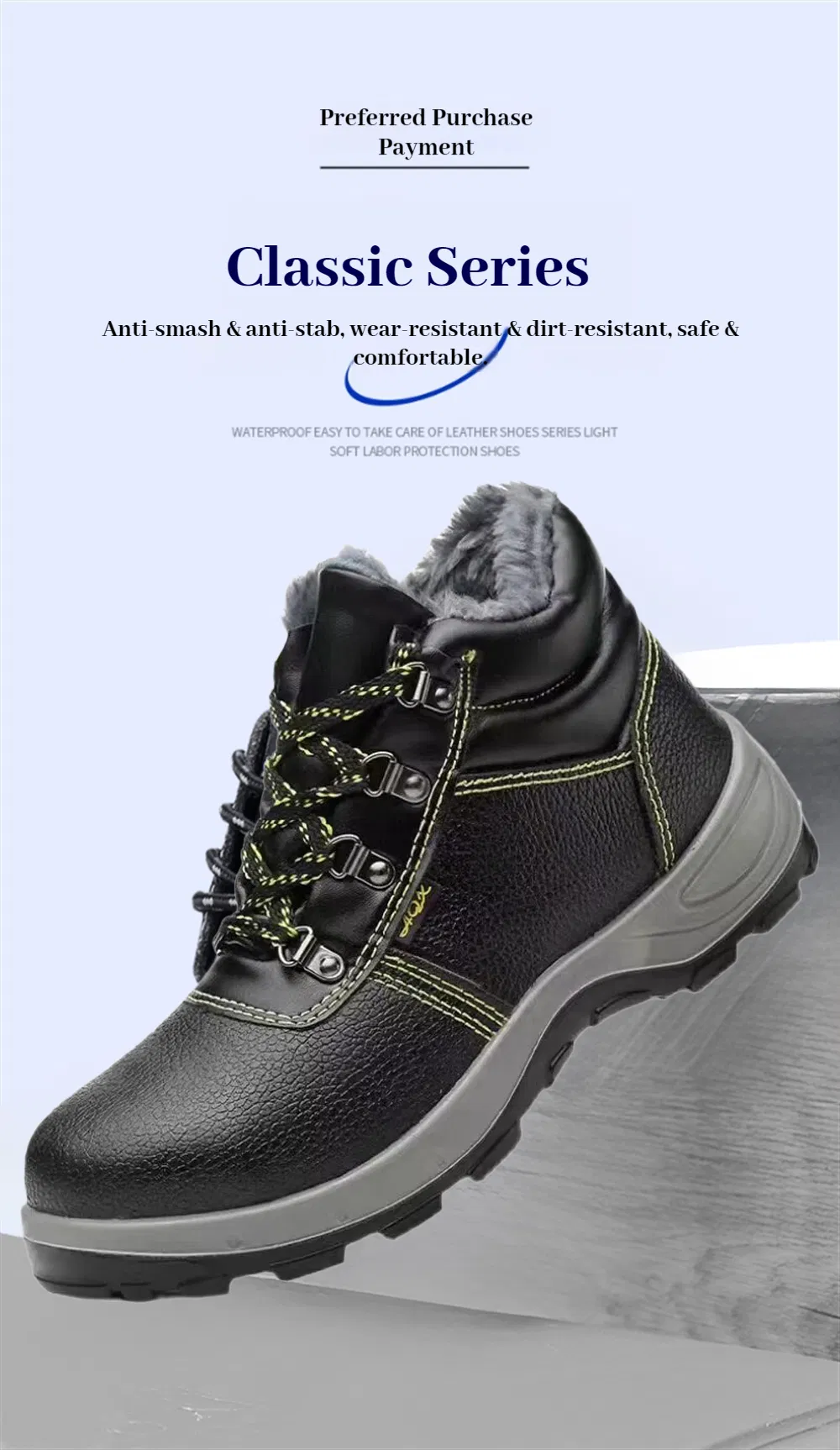
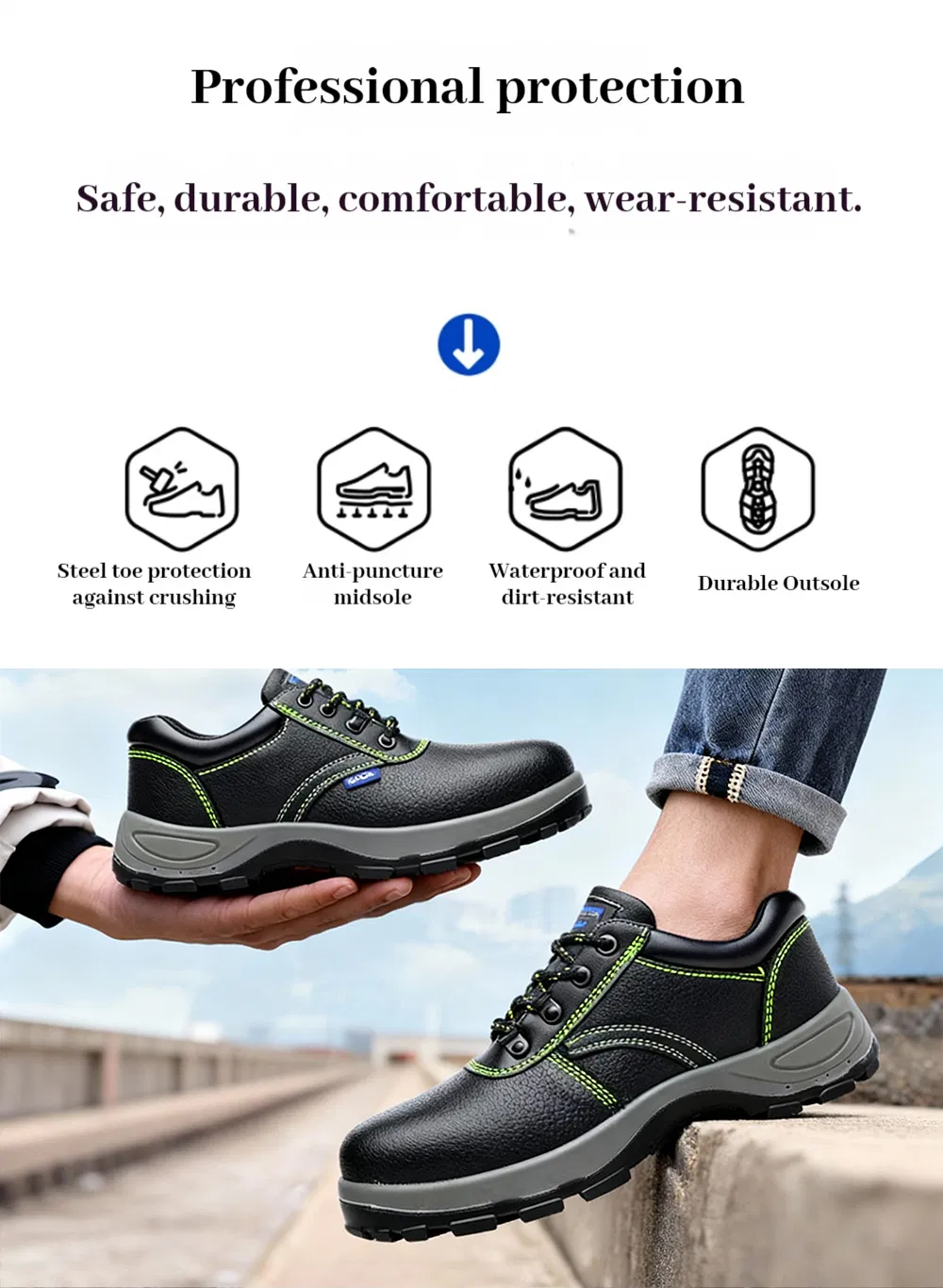
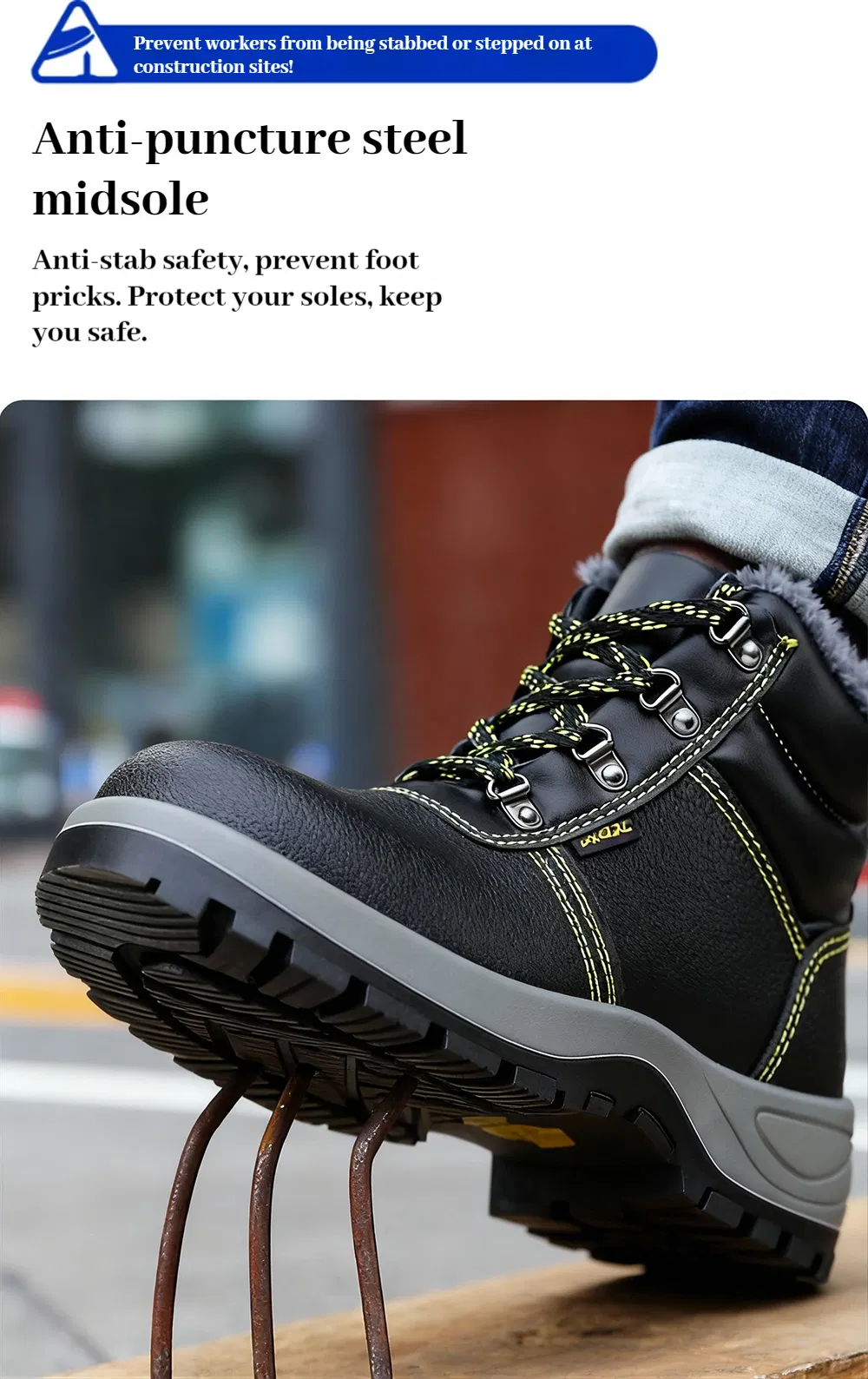
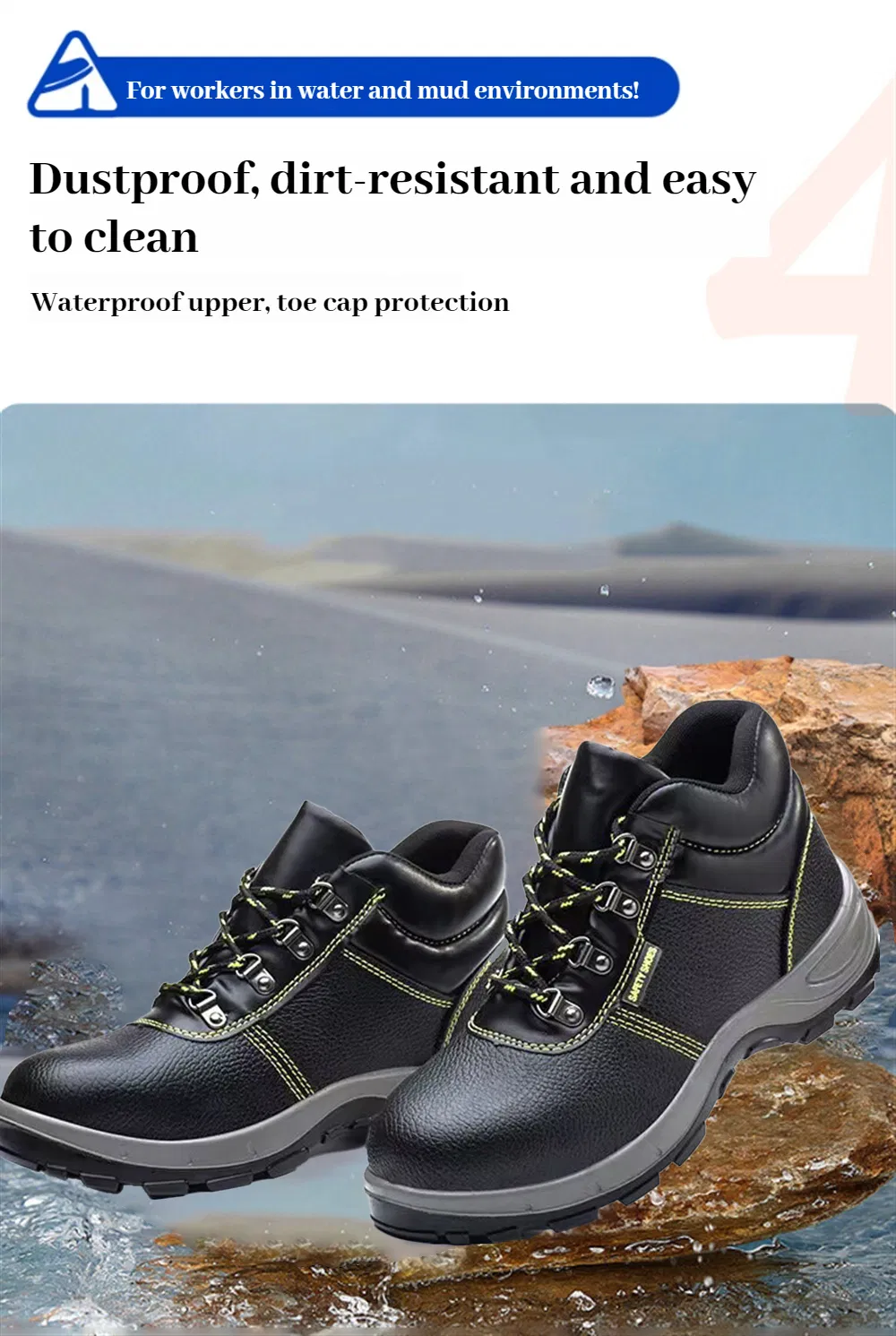
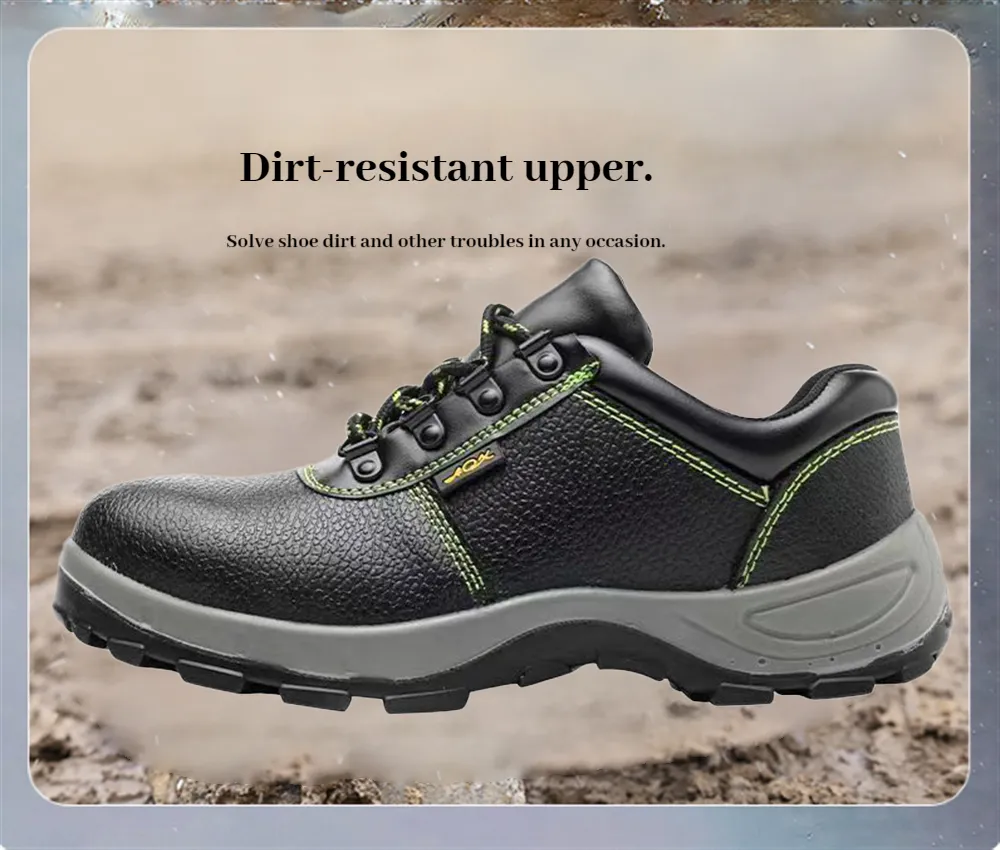
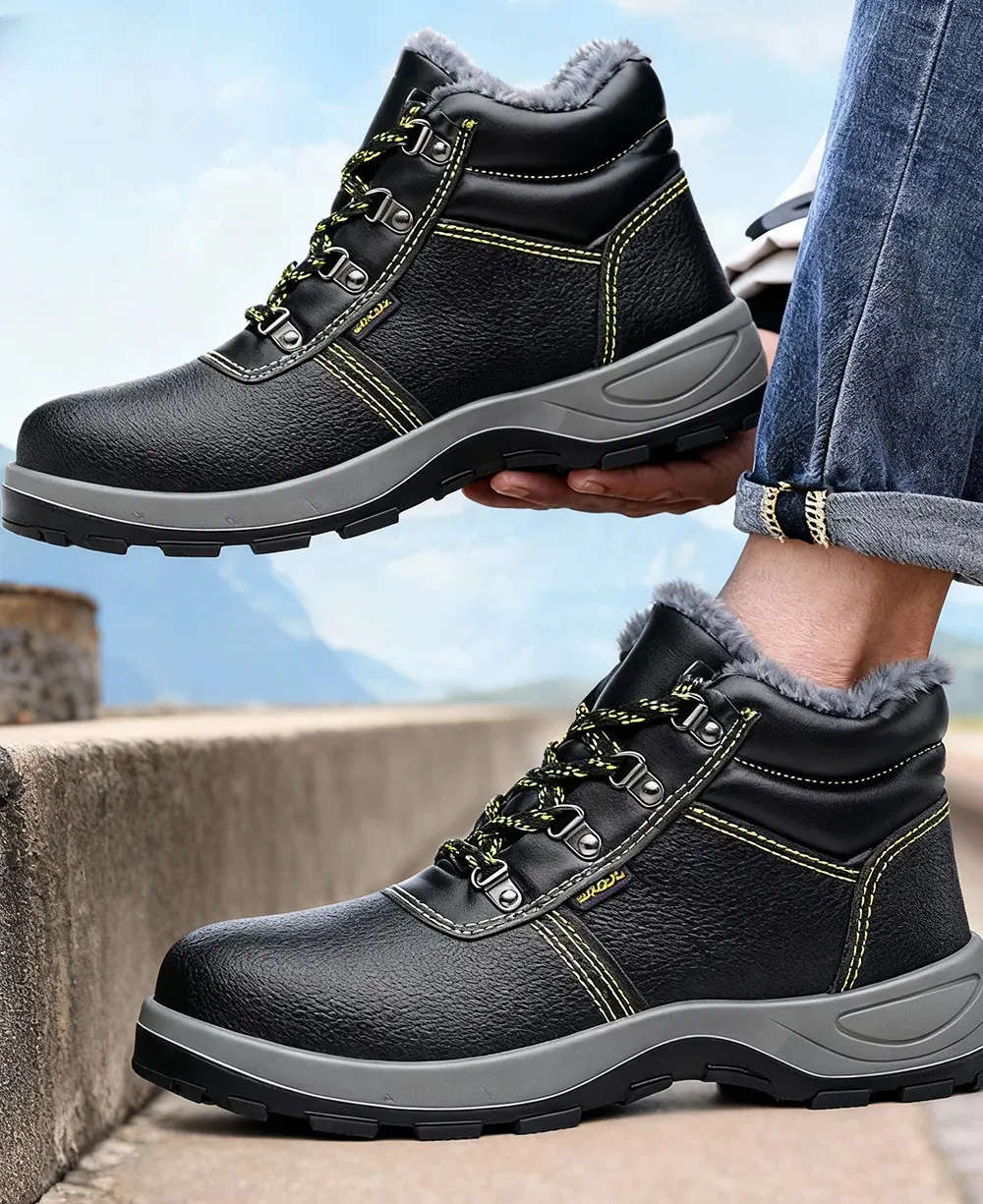
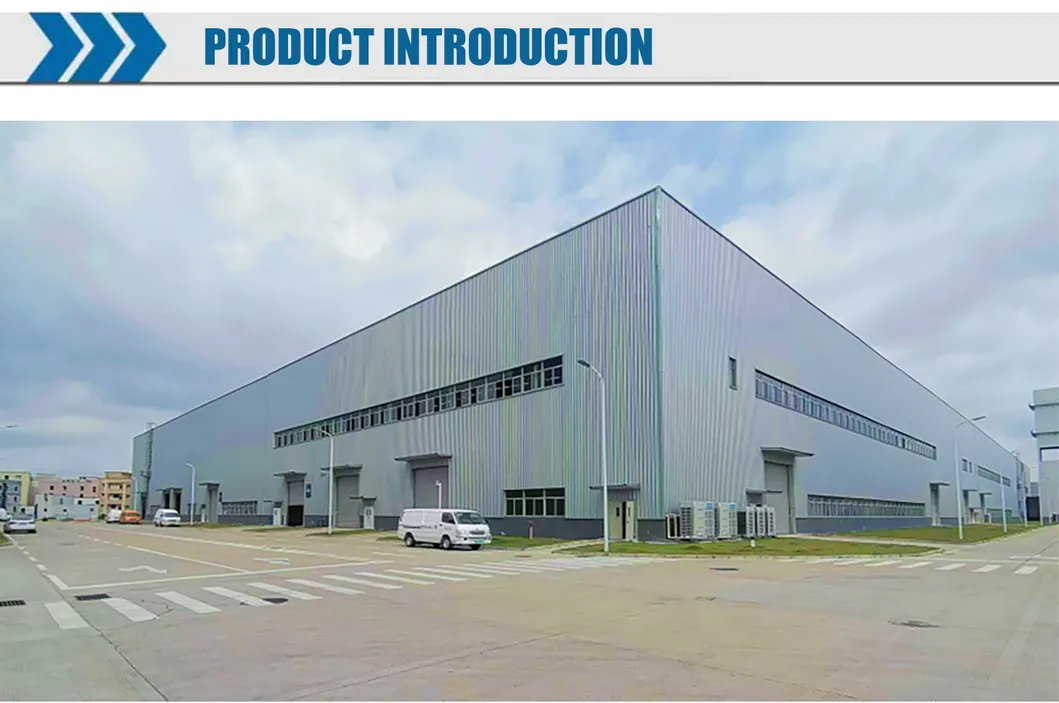
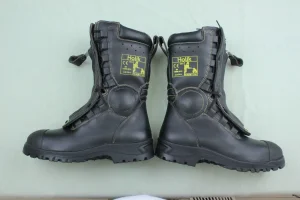
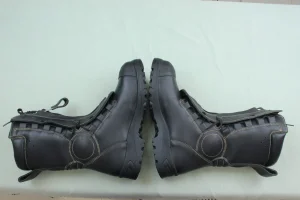
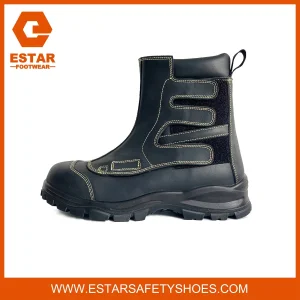
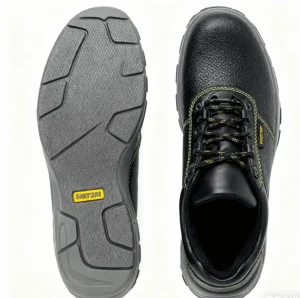
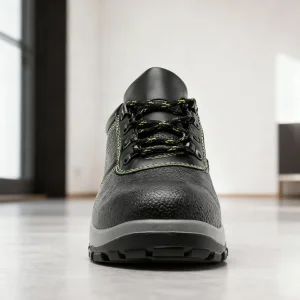
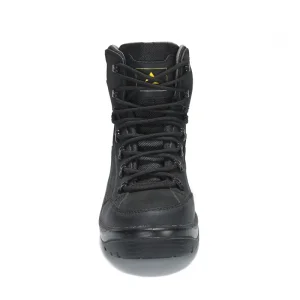
We are an enterprise specializing in the production and processing of special protective shoes such as 6kv....10kv, etc. Our factory mainly produces a series of products such as dirt resistance, wear resistance, puncture resistance and smashing resistance. According to the needs of different industries different materials are used, which has the characteristics of good protective performance and comfortable wearing, and has a complete and scientific quality management system.
📦 Packaging & Shipping
❓ Frequently Asked Questions
Why do I have to wear safety shoes? Aren't regular sneakers enough?
Safety shoes are personal protective equipment (PPE) specially designed to protect your feet from workplace hazards like falling objects, punctures, electric shock, and chemicals. Regular shoes lack these specialized protective features.
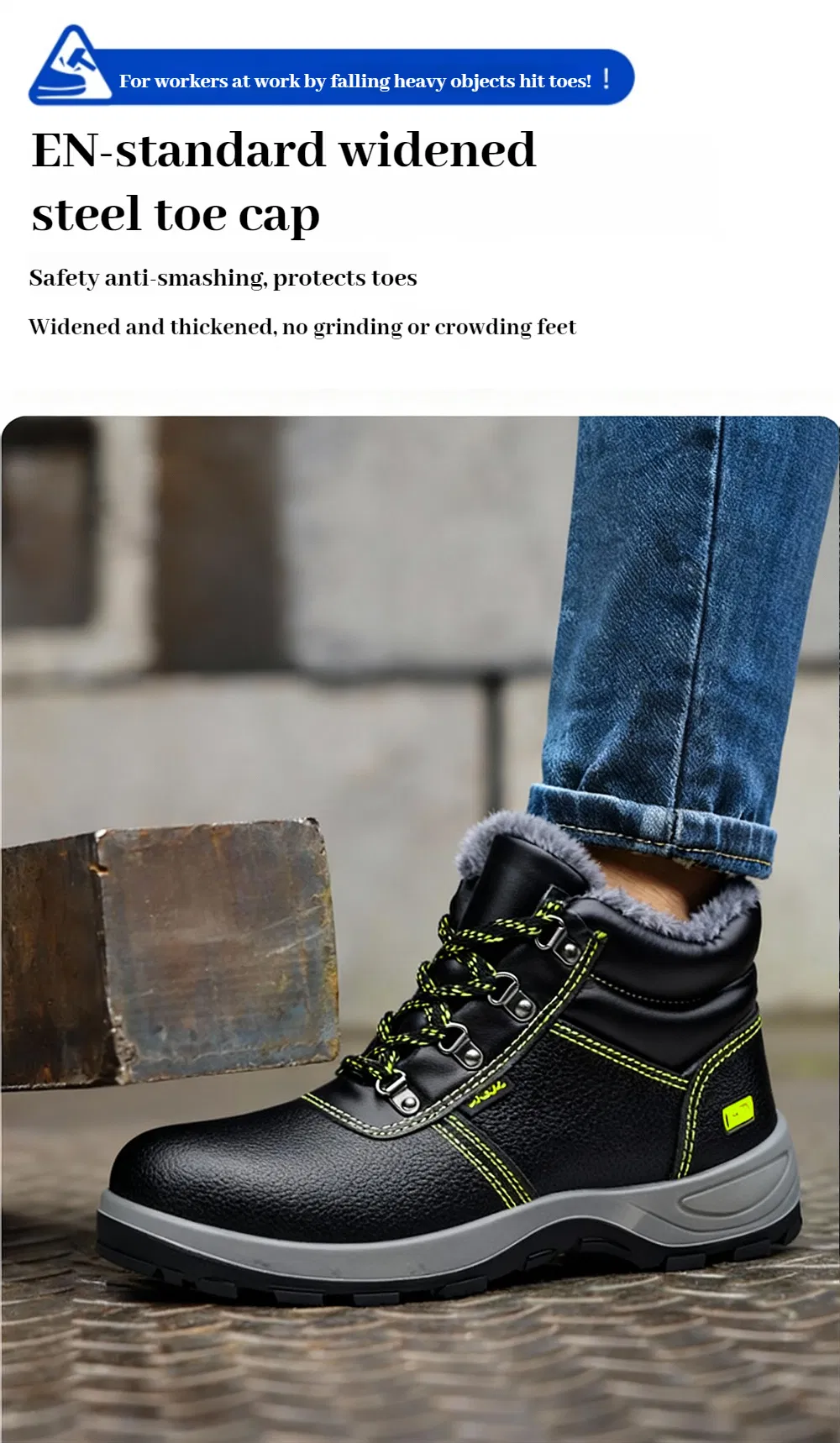
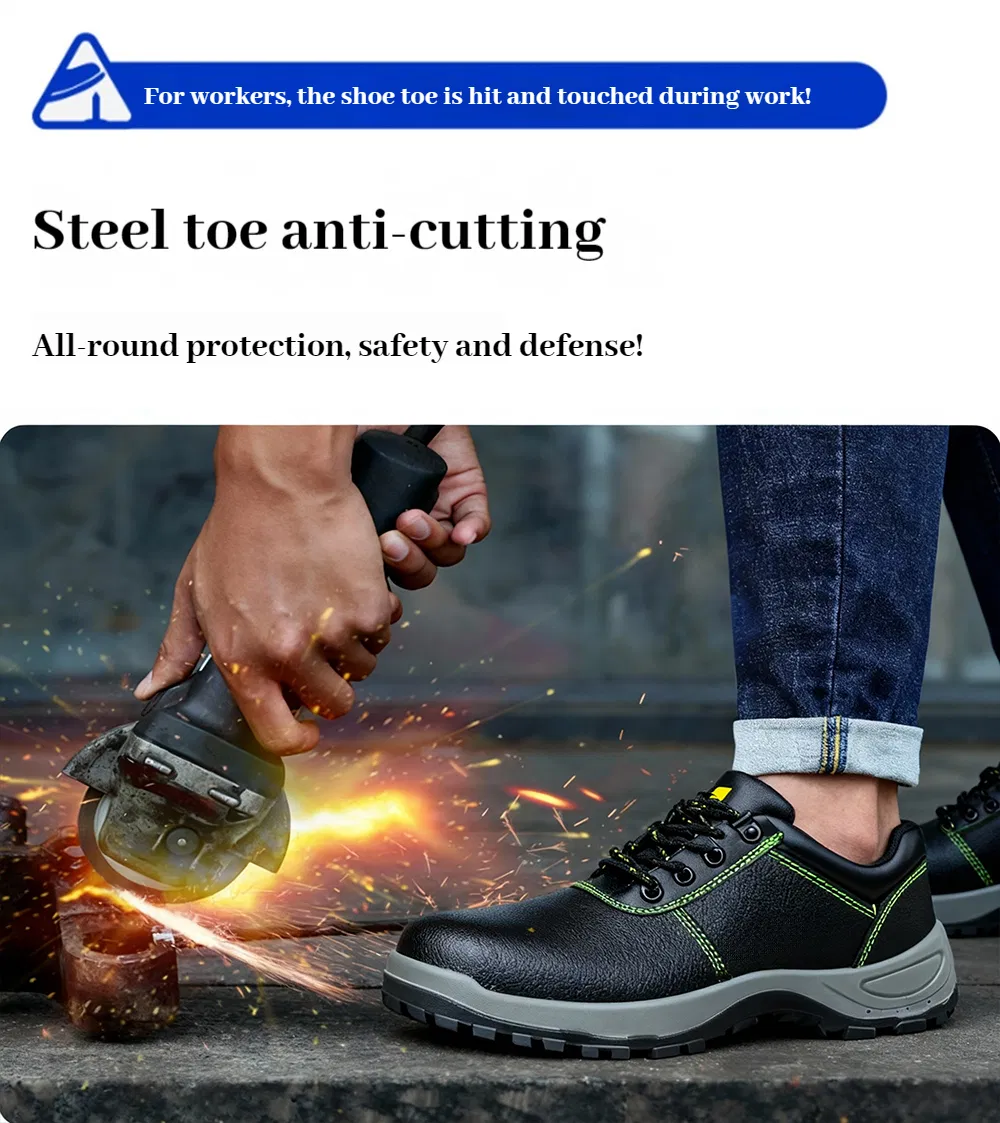
Can the "steel toe" really protect against impacts? What is the standard?
Yes, it provides effective protection. These caps must meet standards like ASTM F2413 or EN ISO 20345. For example, ASTM I/75 C/75 can withstand a 75-foot-pound impact and is compression-resistant.
How do I choose the right size for safety shoes?
Try them on in the afternoon when feet are slightly swollen. Ensure toes have enough room (about a thumb's width), but the heel should be snug. Always walk around to test comfort.
My safety shoes feel heavy. Are there lighter options?
Yes. If traditional steel-toe shoes are too heavy, look for models with composite toe caps (fiberglass or Kevlar®). They offer the same protection level but can be 30% to 50% lighter.
How should I maintain my safety shoes to extend their lifespan?
Clean regularly with a damp cloth, air dry naturally away from direct heat, apply leather conditioner periodically, and inspect frequently for sole wear or toe cap deformation.
Are safety shoes waterproof?
This depends on the model. Many are clearly marked as "Waterproof" and use membranes like GORE-TEX® or sealed leather. Check product specifications based on your work environment.
 Lento Shoe