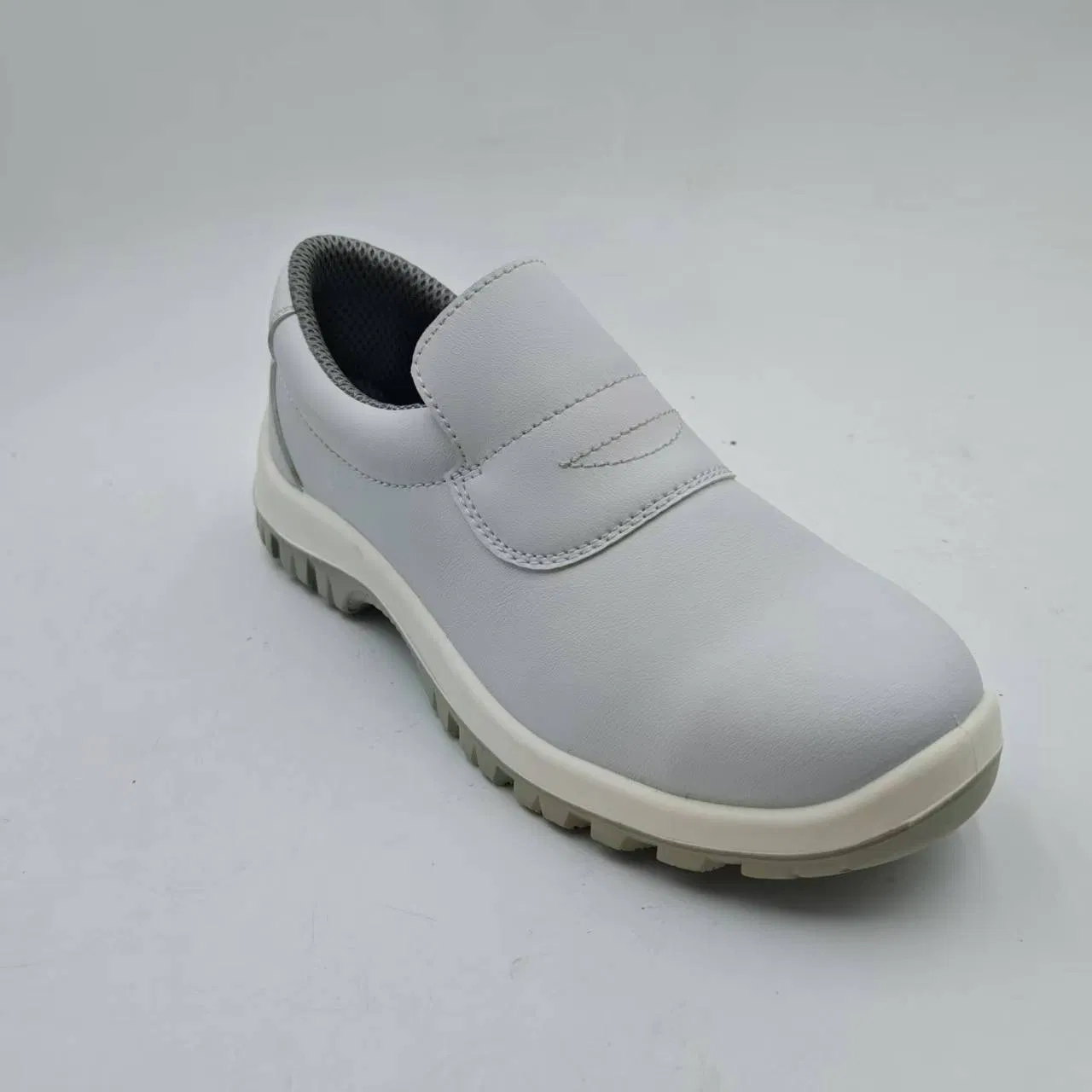
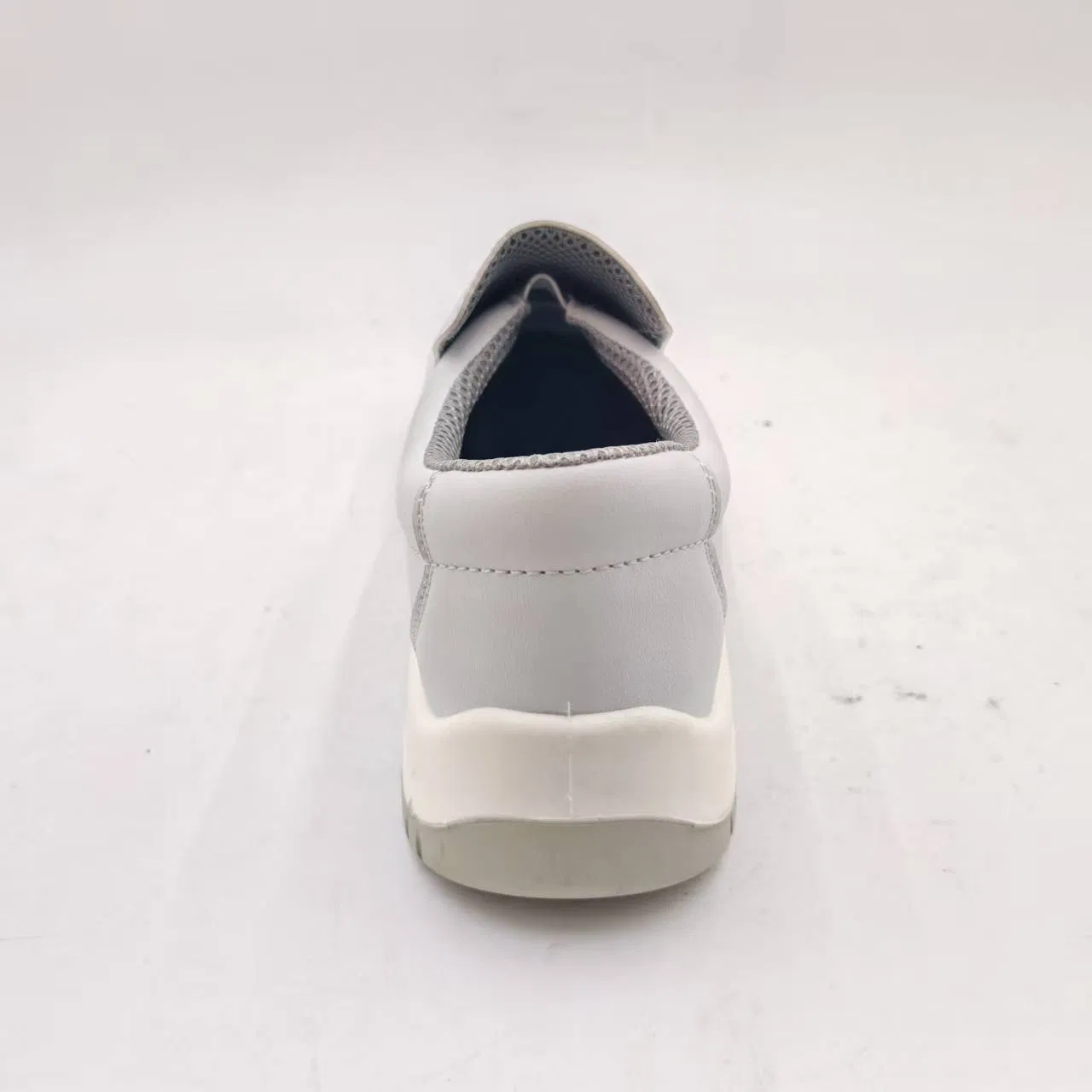
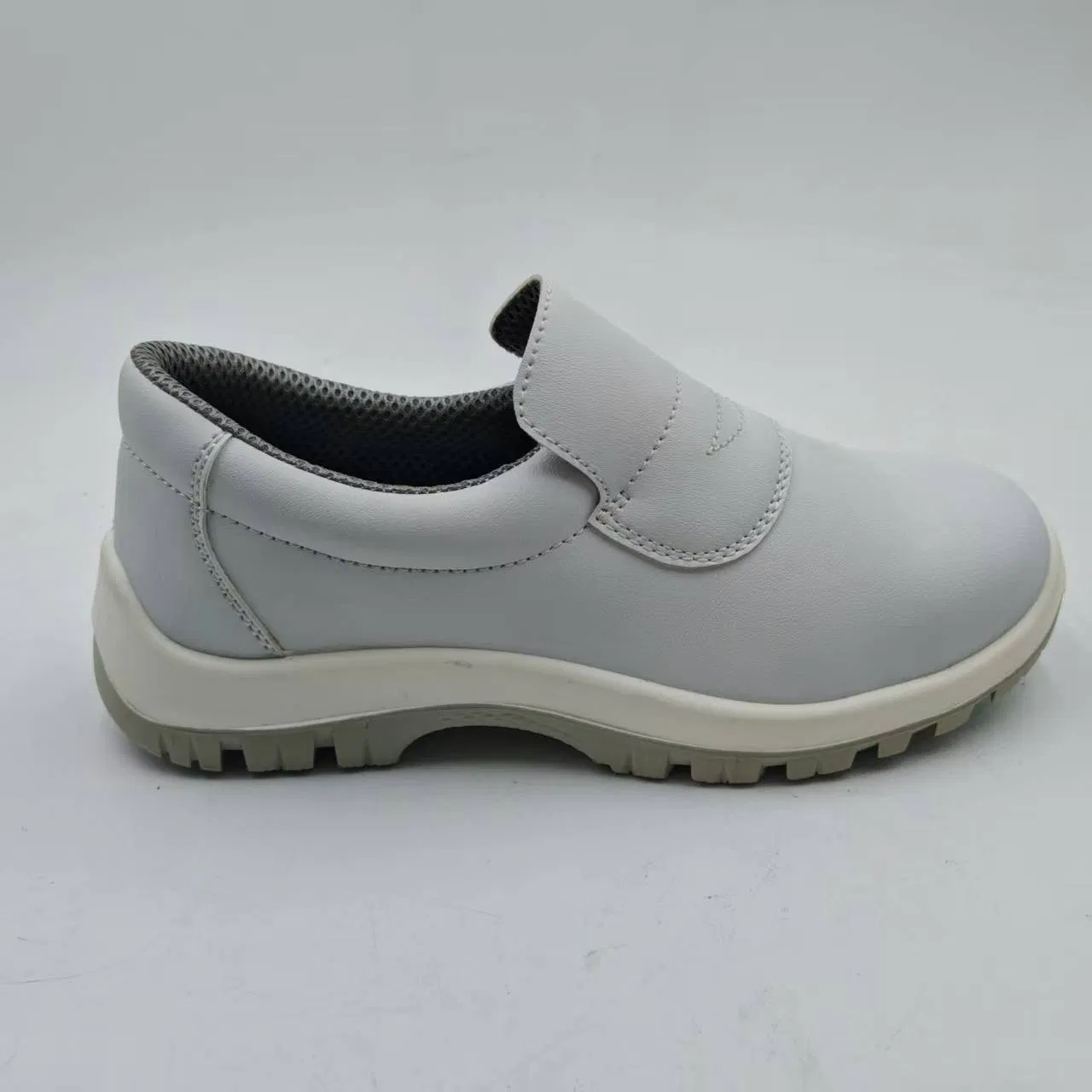
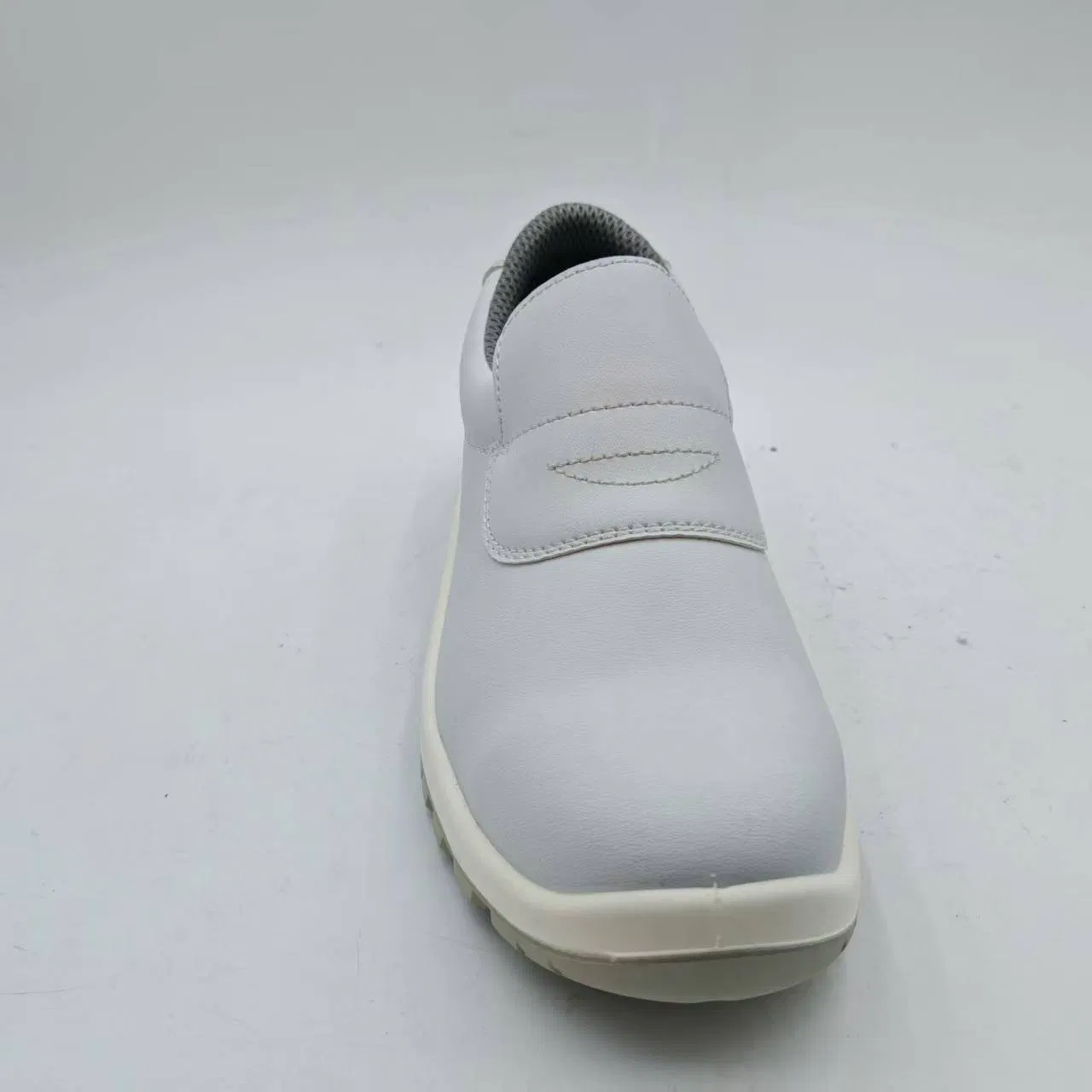
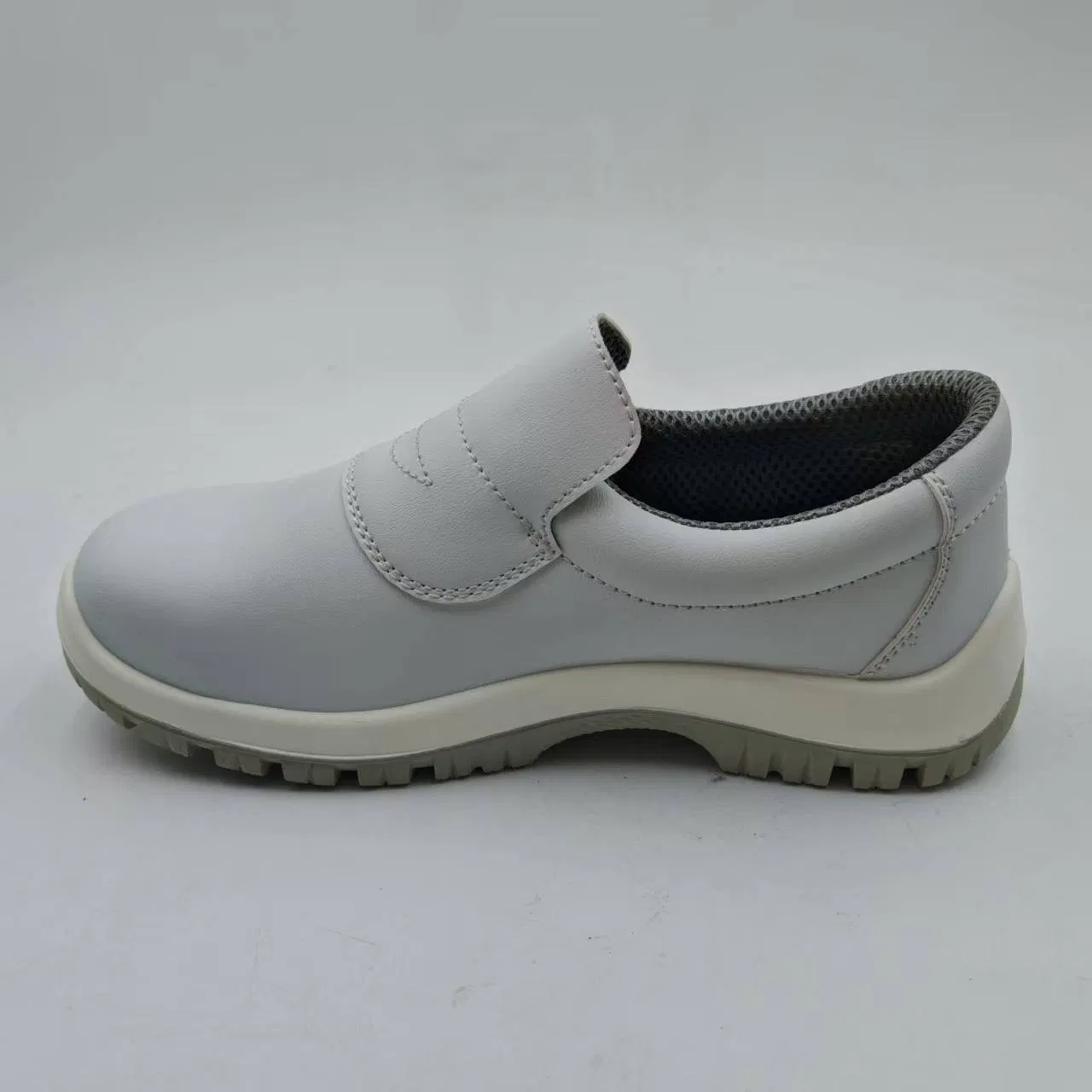
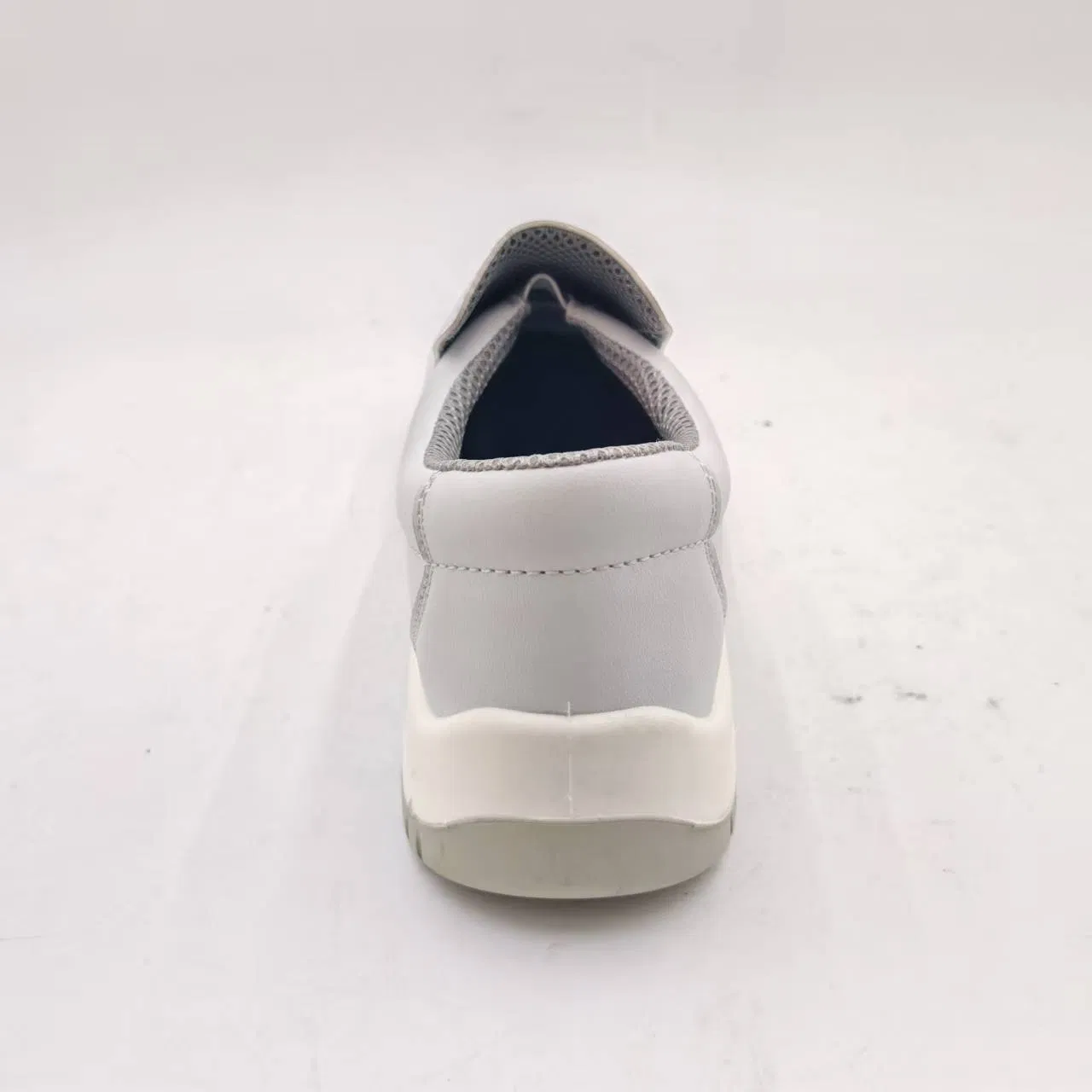
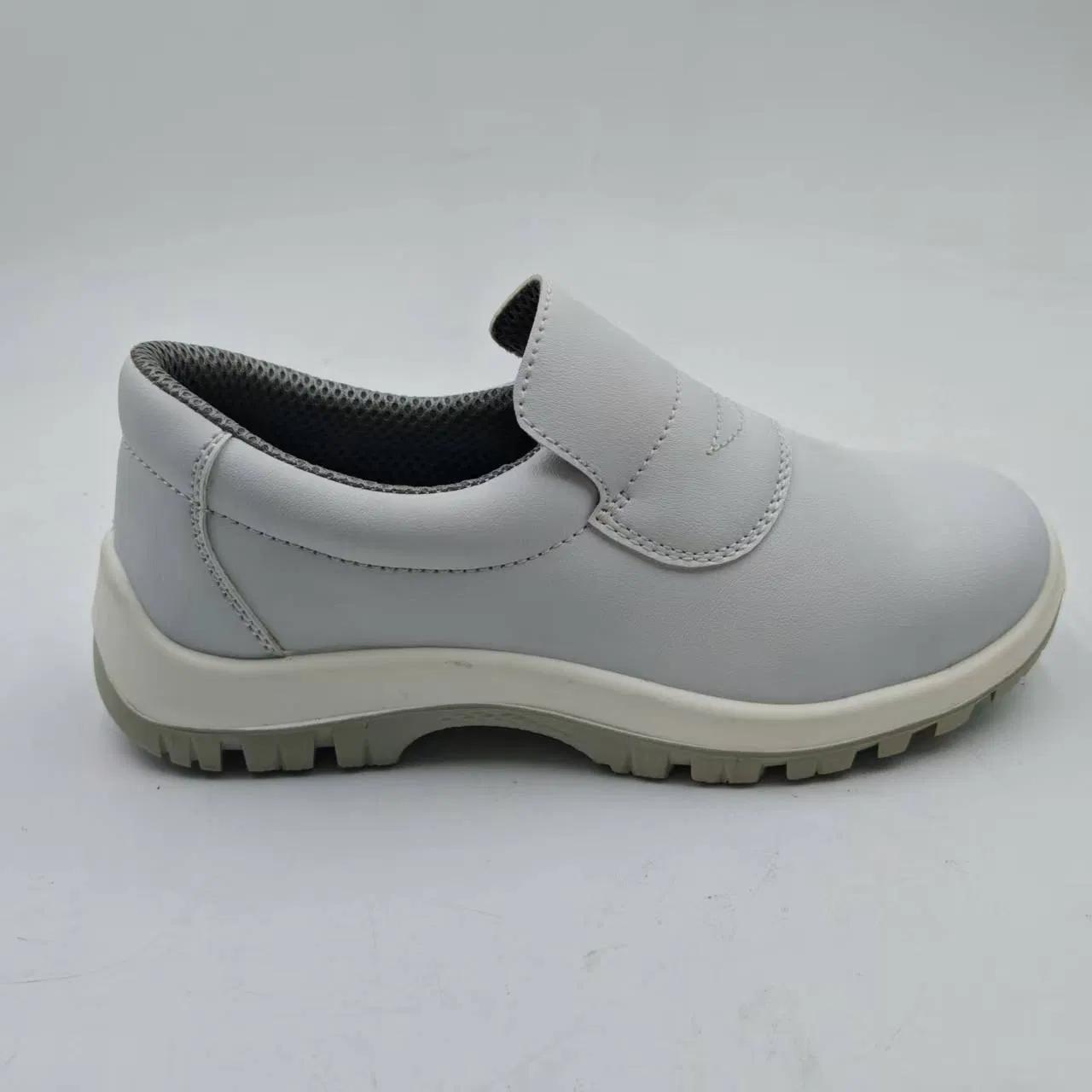
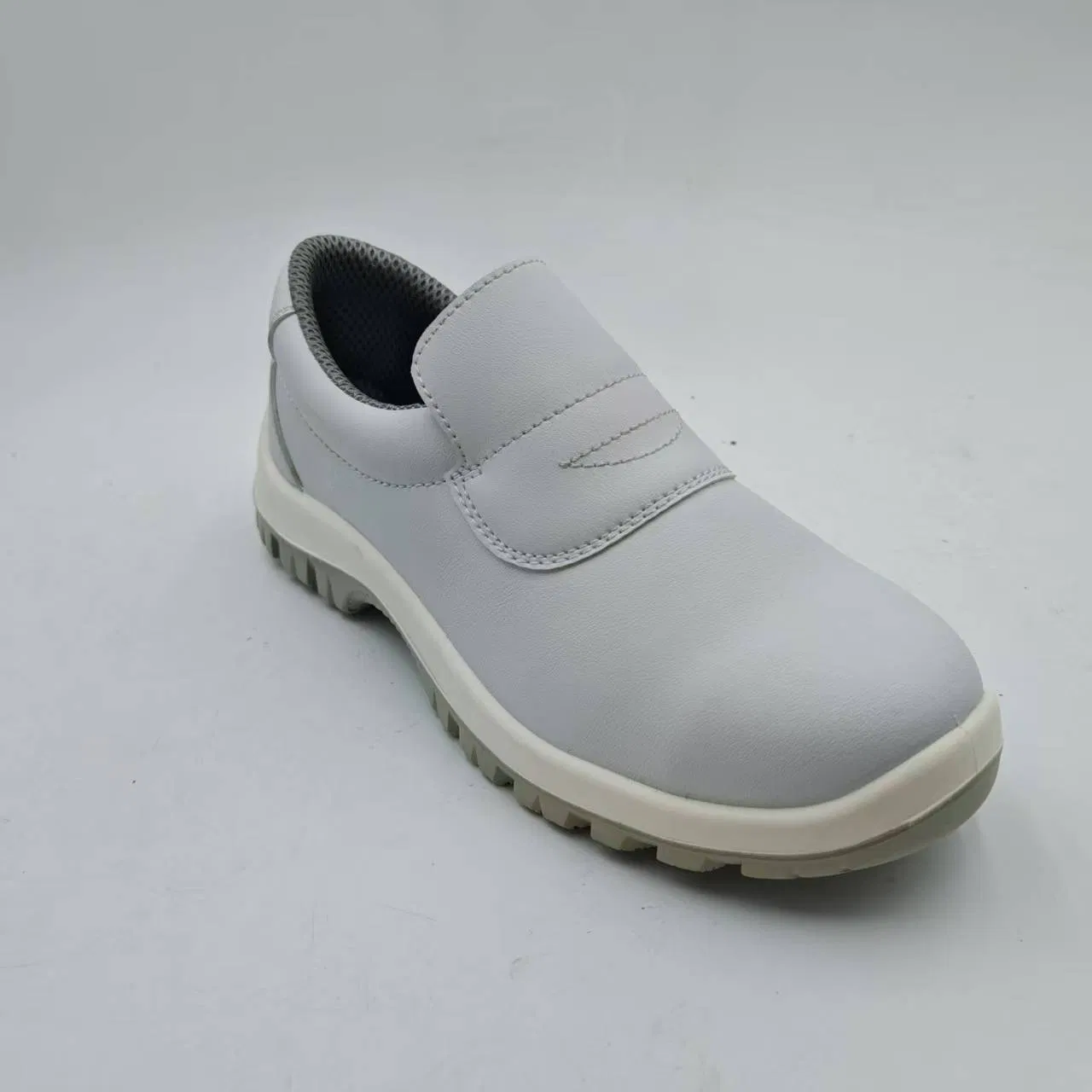
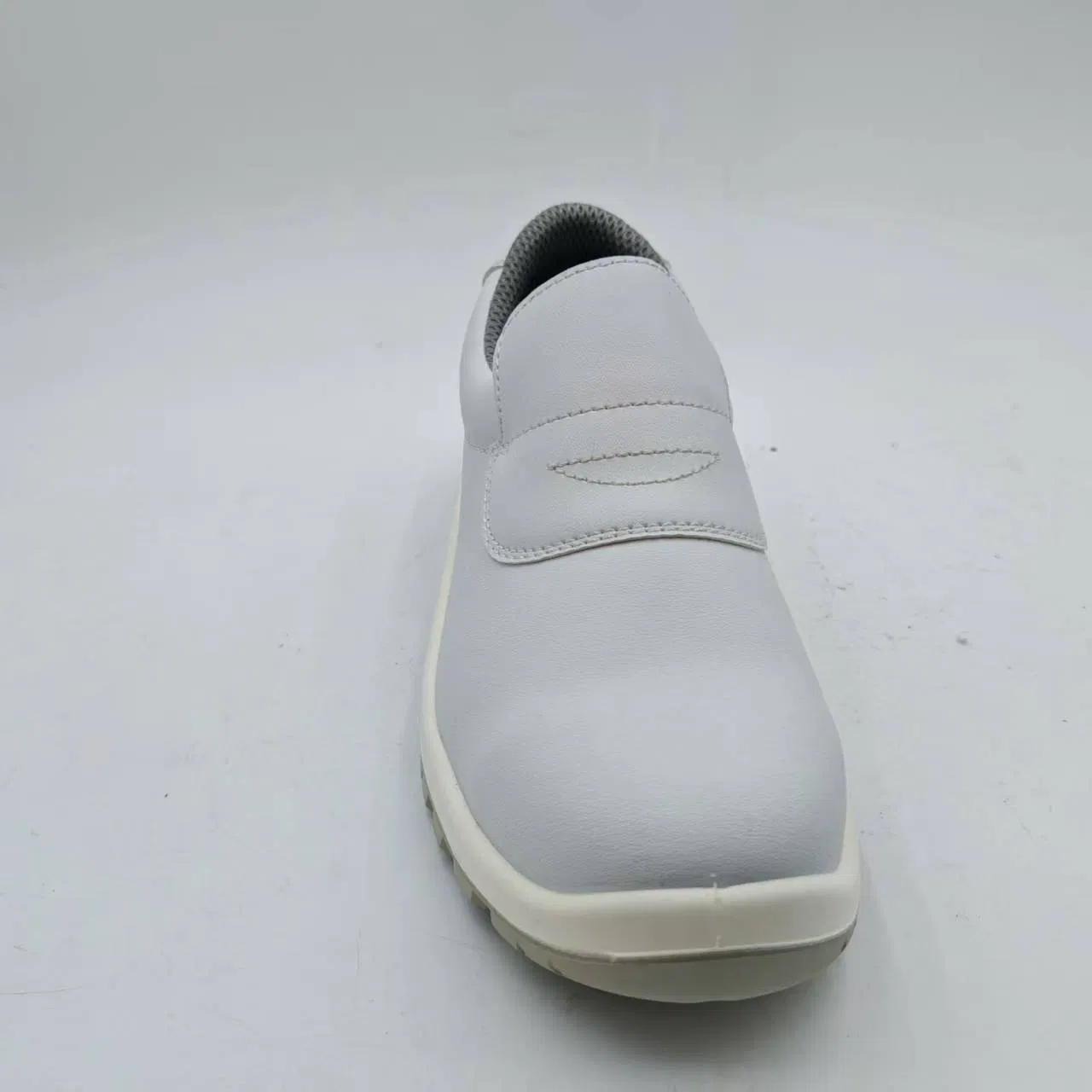
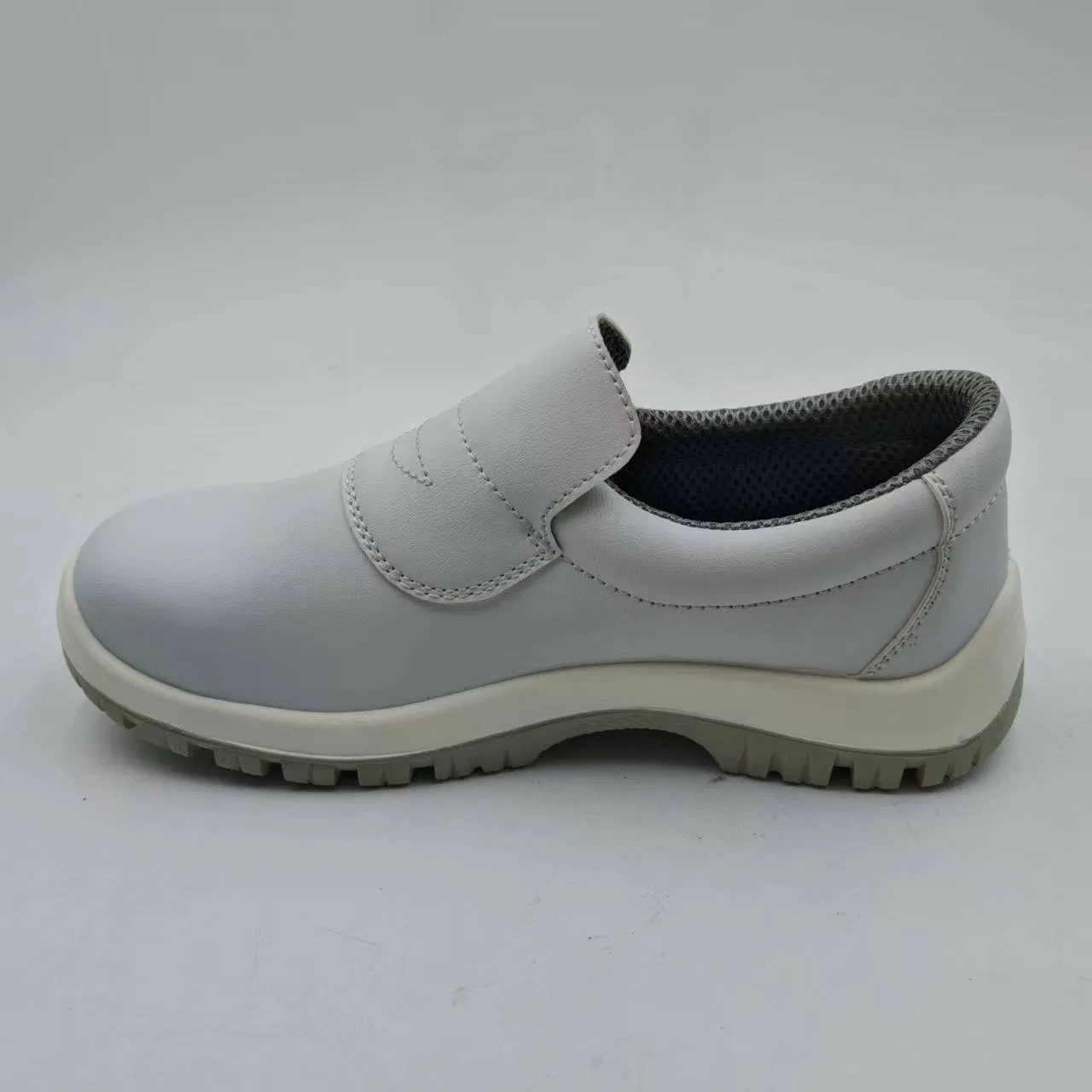
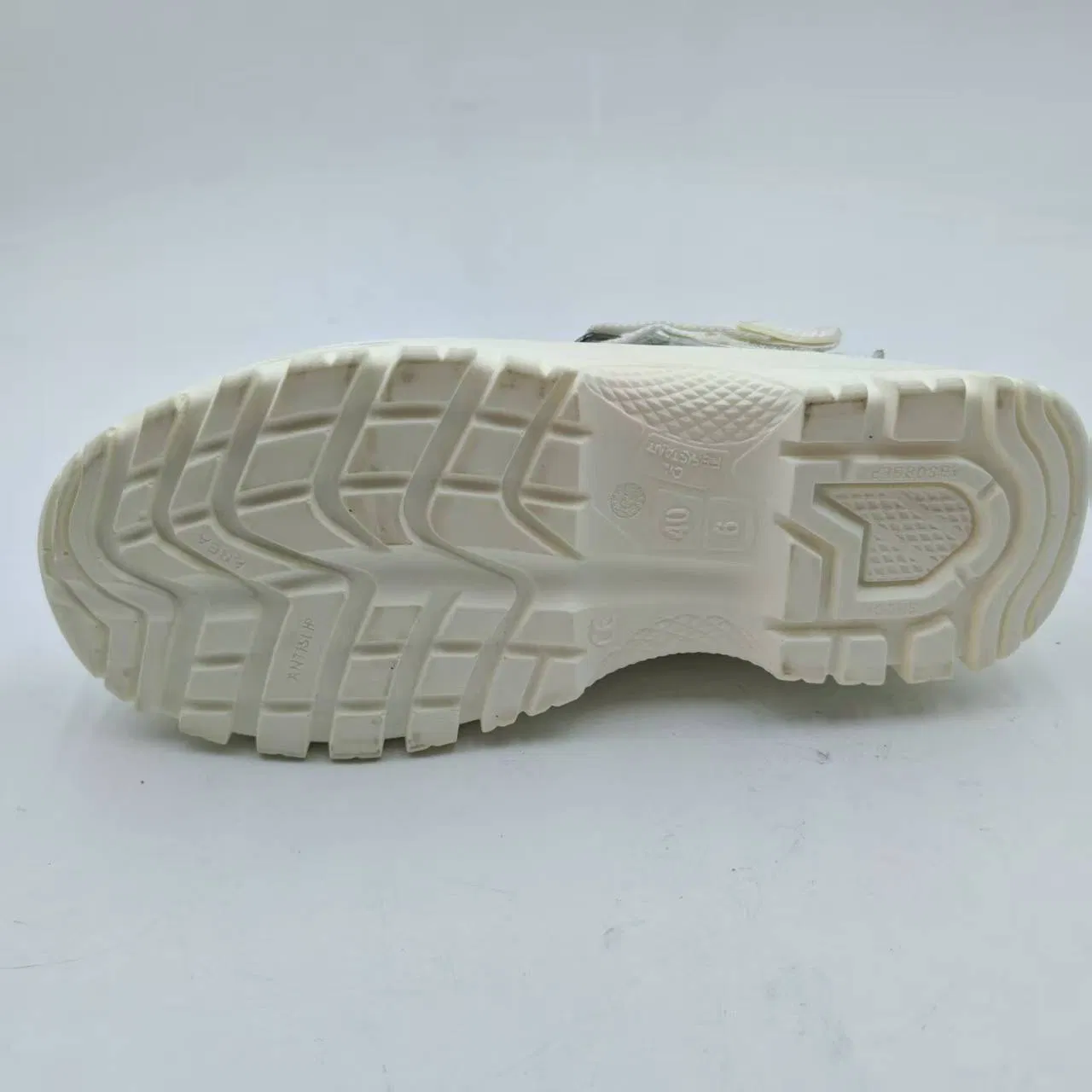
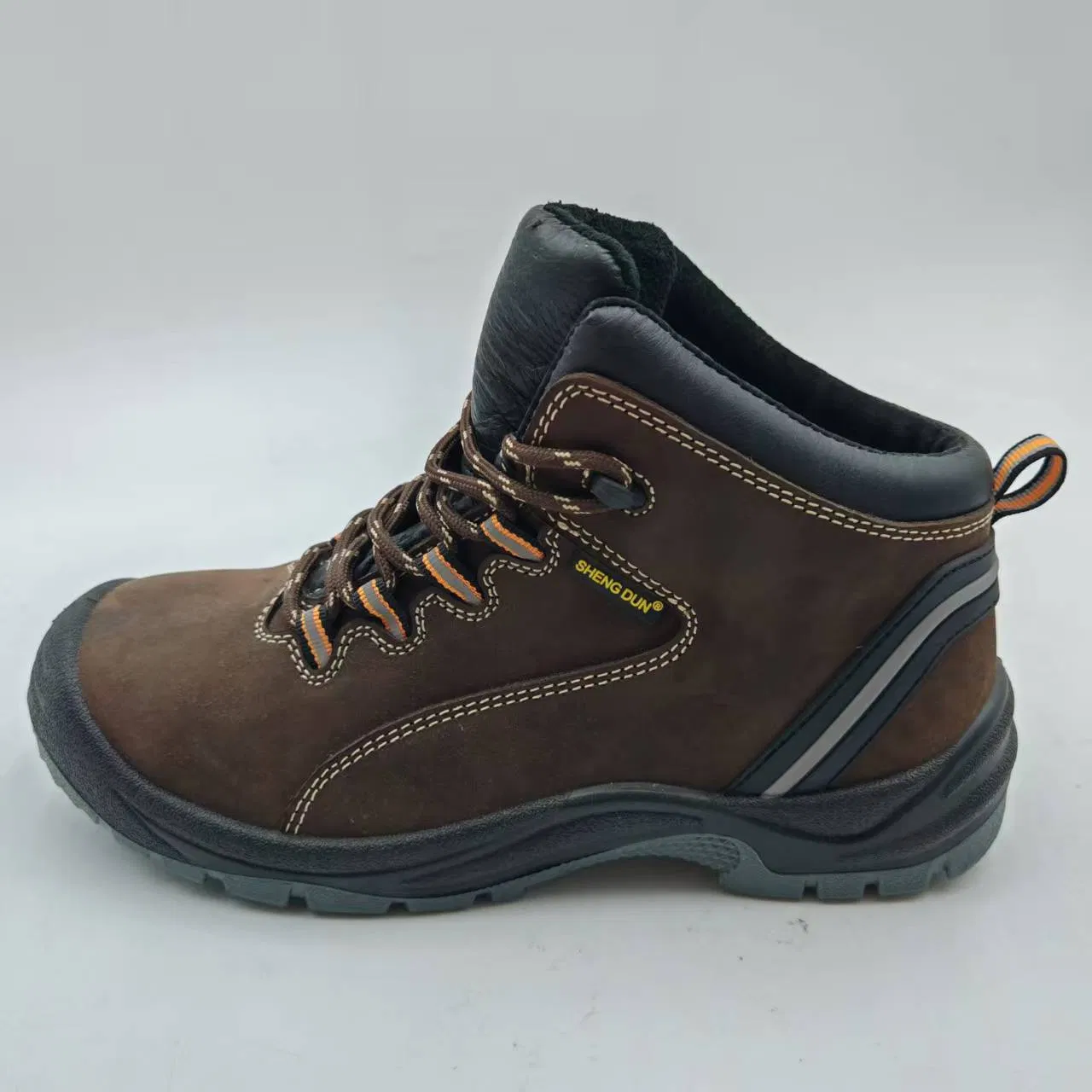
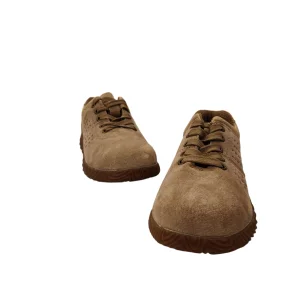
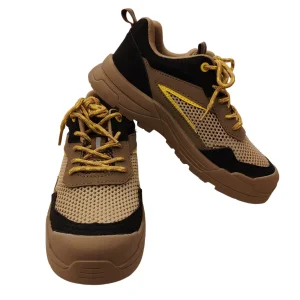
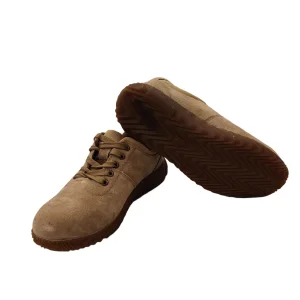
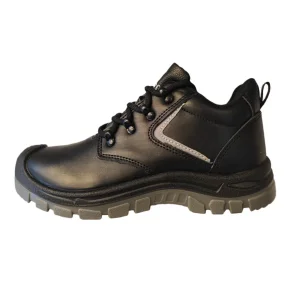
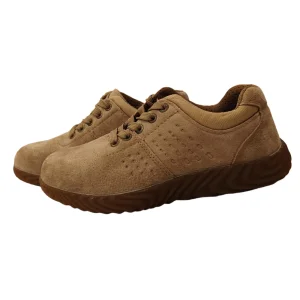
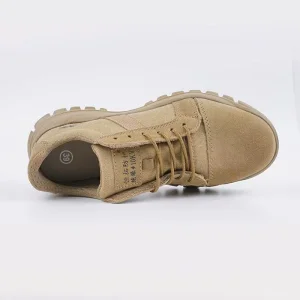
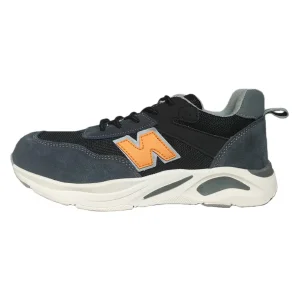
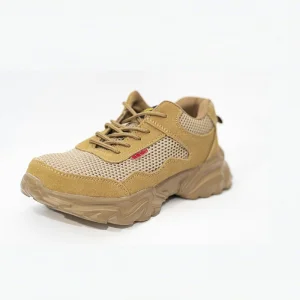
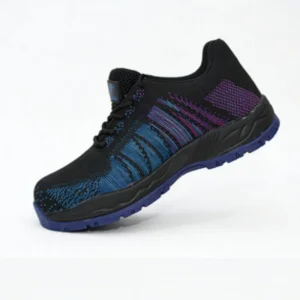
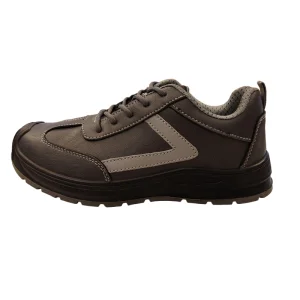
Lightweight Design Comfortable Work Long Term Wear Steel Toe Safety Shoes

Still deciding? Get samples of $ !
Order Sample

Product Description

Product Overview
Model NO.
custom
Feature
Steel Toe, Slip-Resistant, Puncture-Resistant, Waterproof, Anti-Static
Upper Material
Genuine Leather (Genuine Cowhide)
Outsole Material
Rubber
Insoles
EVA
Lining Material
Mesh
Function
Anti Smashing, Oil Resistant, Acid and Alkali Resistant
Technology
PU Injection
Packaging & Delivery
Package Size
15.00cm * 6.00cm * 12.00cm
Gross Weight
1.400kg
Transport Package
Carton
Product Description
Lightweight Design Comfortable Work Long Term Wear Steel Toe Safety Shoes
Professional Grade Safety Footwear: Specially designed to protect feet from workplace hazards including heavy falling objects, sharp punctures, and electrical hazards.
Safety Shoes View 1
Safety Shoes View 2
Safety Shoes View 3
Safety Shoes View 4
Safety Shoes View 5
Safety Shoes View 6
Detail View Ergonomic Design

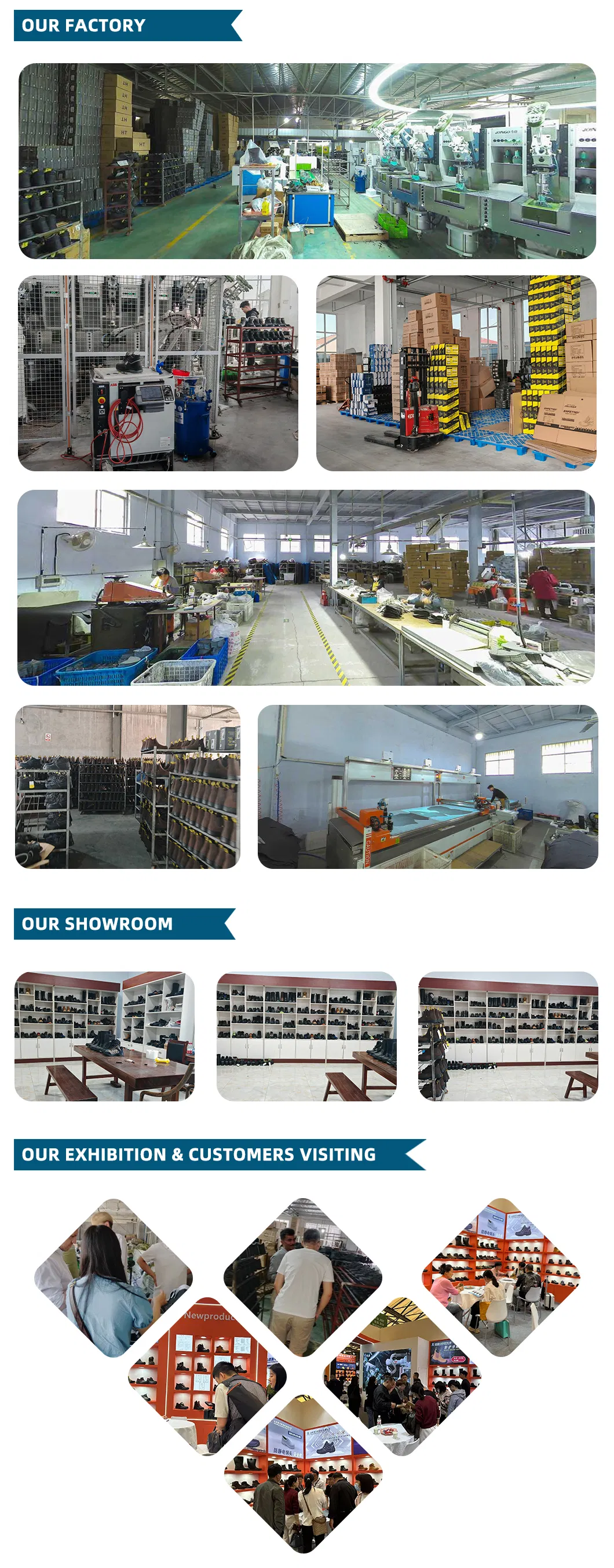
Our safety shoes are widely utilized in oil fields, mining, smelting, architecture, chemical engineering, and manufacturing. By integrating strict management systems and innovative technology, we focus on providing survival through quality and development through innovation.
Safety Standards Comfort Features
Frequently Asked Questions
What are the primary benefits of wearing safety shoes?
Safety shoes are a crucial part of Personal Protective Equipment (PPE). They protect your feet from heavy falling objects, sharp punctures, electrical hazards, and slips, which are common in industrial and construction environments.
What is the difference between Steel Toe and Composite Toe?
Steel toes offer classic, strong impact protection but are heavier and conduct temperature. Composite toes are made from non-metal materials like carbon fiber or plastic; they are lightweight, do not conduct heat or cold, and are ideal for extreme temperatures or security checkpoints.
What safety standards should I look for?
Look for ASTM International standards such as ASTM F2413 (impact/puncture resistance) and ASTM F2892. These ratings ensure the footwear meets specific performance requirements enforced by OSHA.
Can safety shoes be comfortable for all-day wear?
Yes. Modern designs include cushioned insoles, arch support, breathable mesh linings, and shock-absorbing midsoles to reduce fatigue during long shifts.
How should I ensure the correct fit for safety boots?
They should fit snugly but allow enough room to wiggle your toes. Your toes should not press against the safety cap. It is recommended to try them on with the work socks you intend to use.
When should I replace my safety shoes?
On average, they should be replaced every 6 to 12 months. Signs of needed replacement include worn-out outsoles, cracked leather, or any visible damage to the protective toe cap.

Related Products