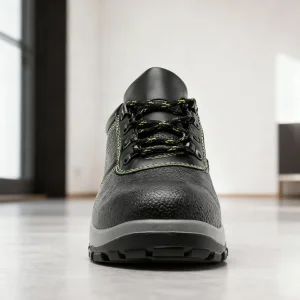
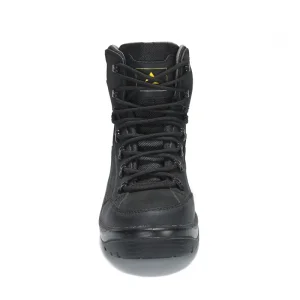
1 Why do I have to wear safety shoes instead of regular sneakers?
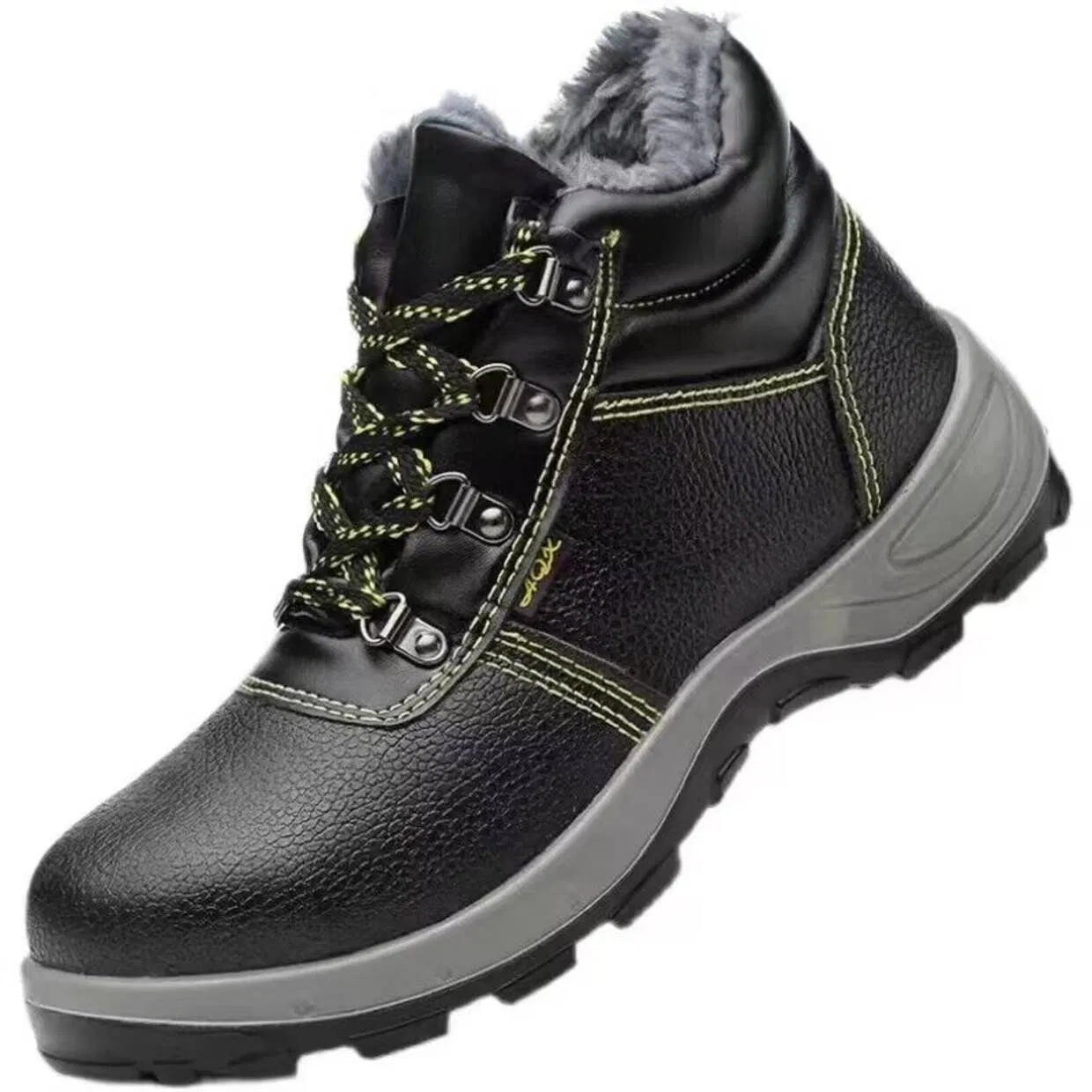
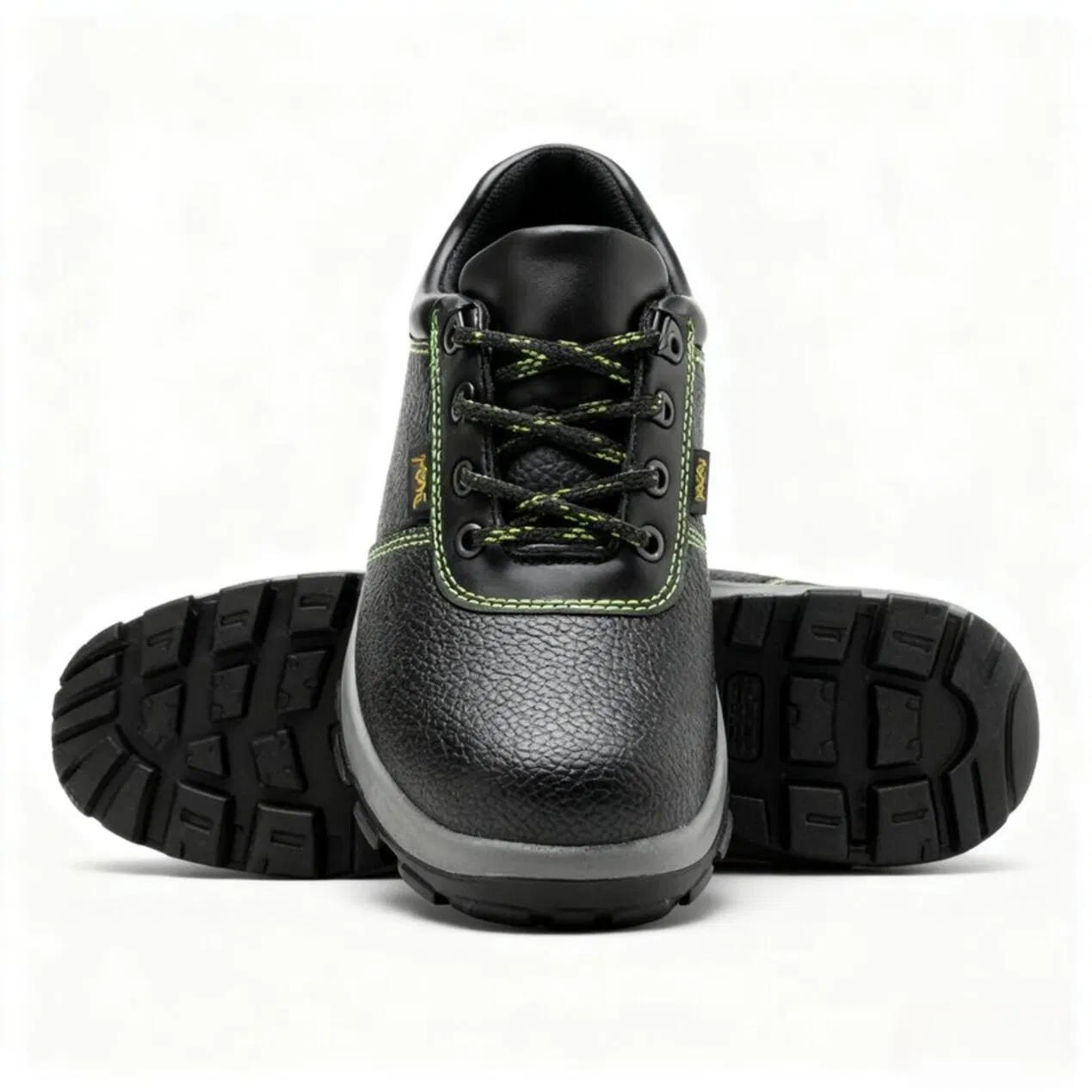
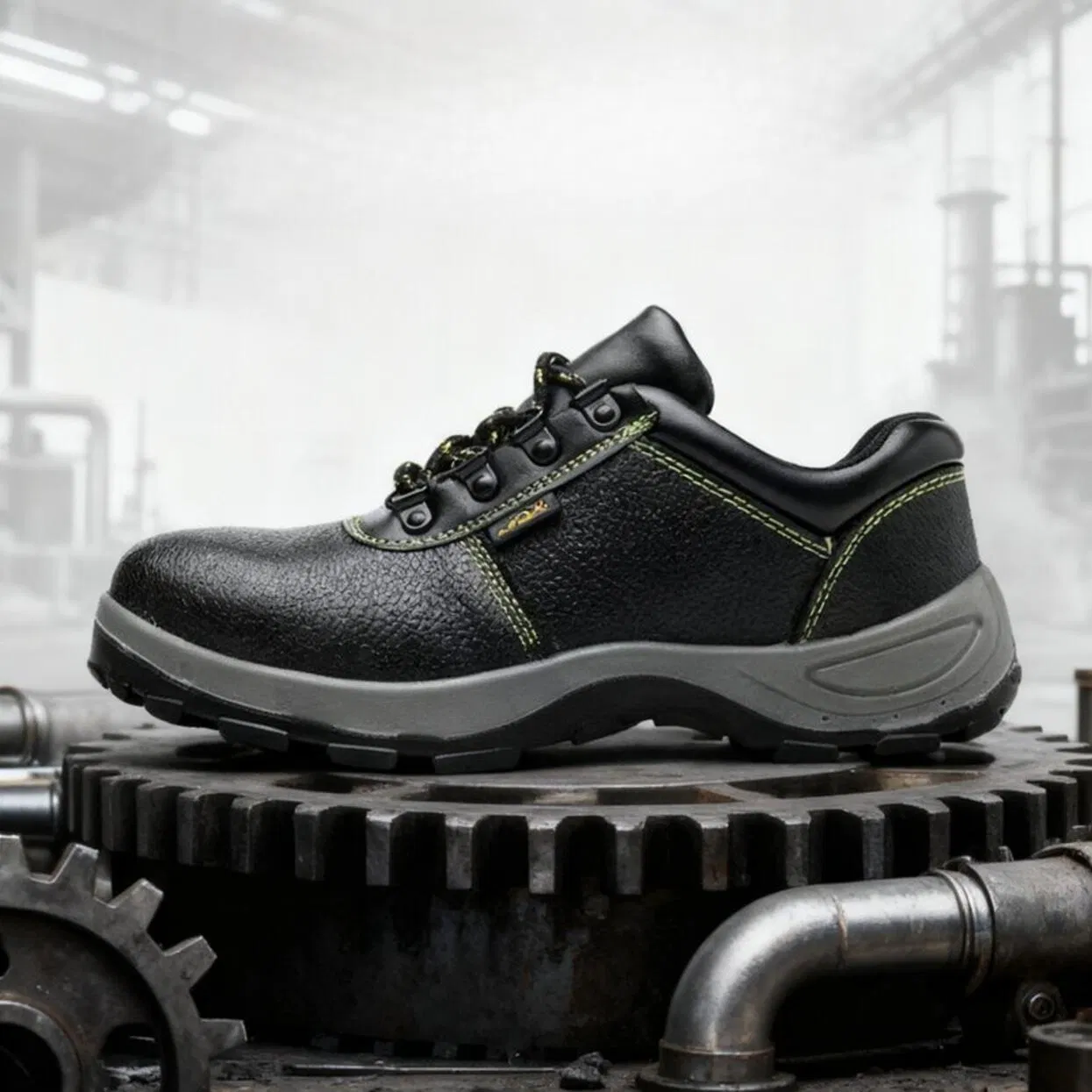
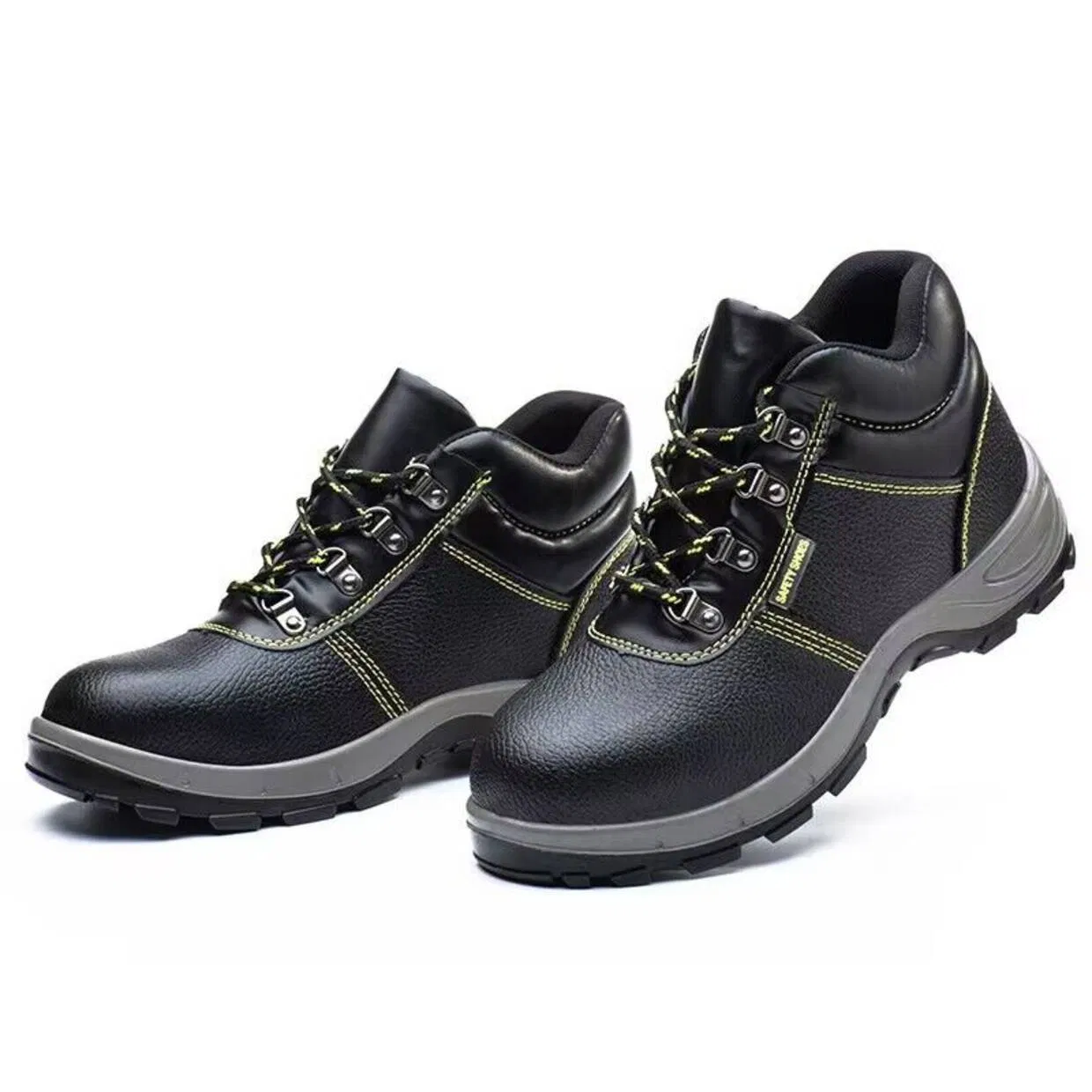
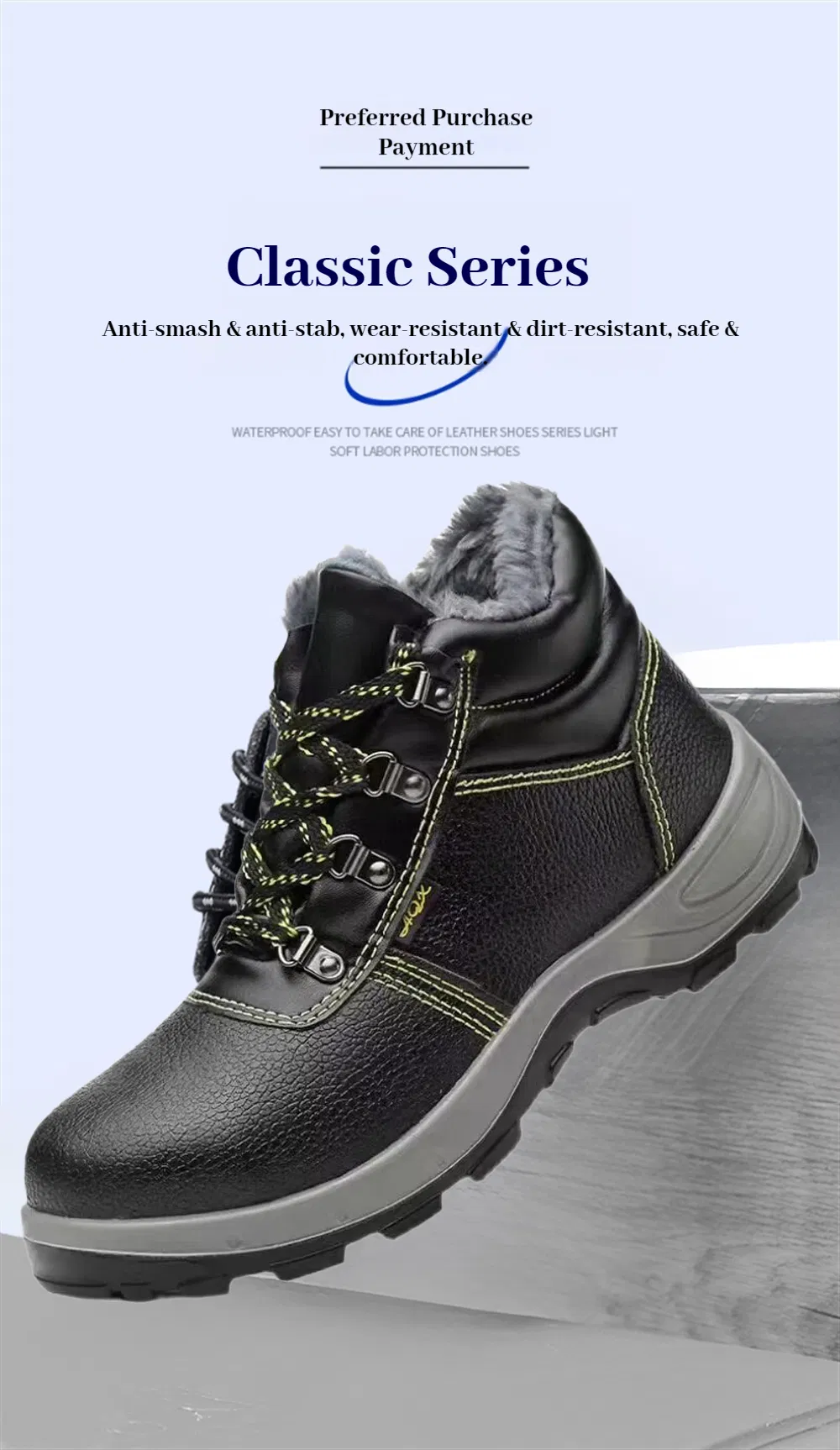
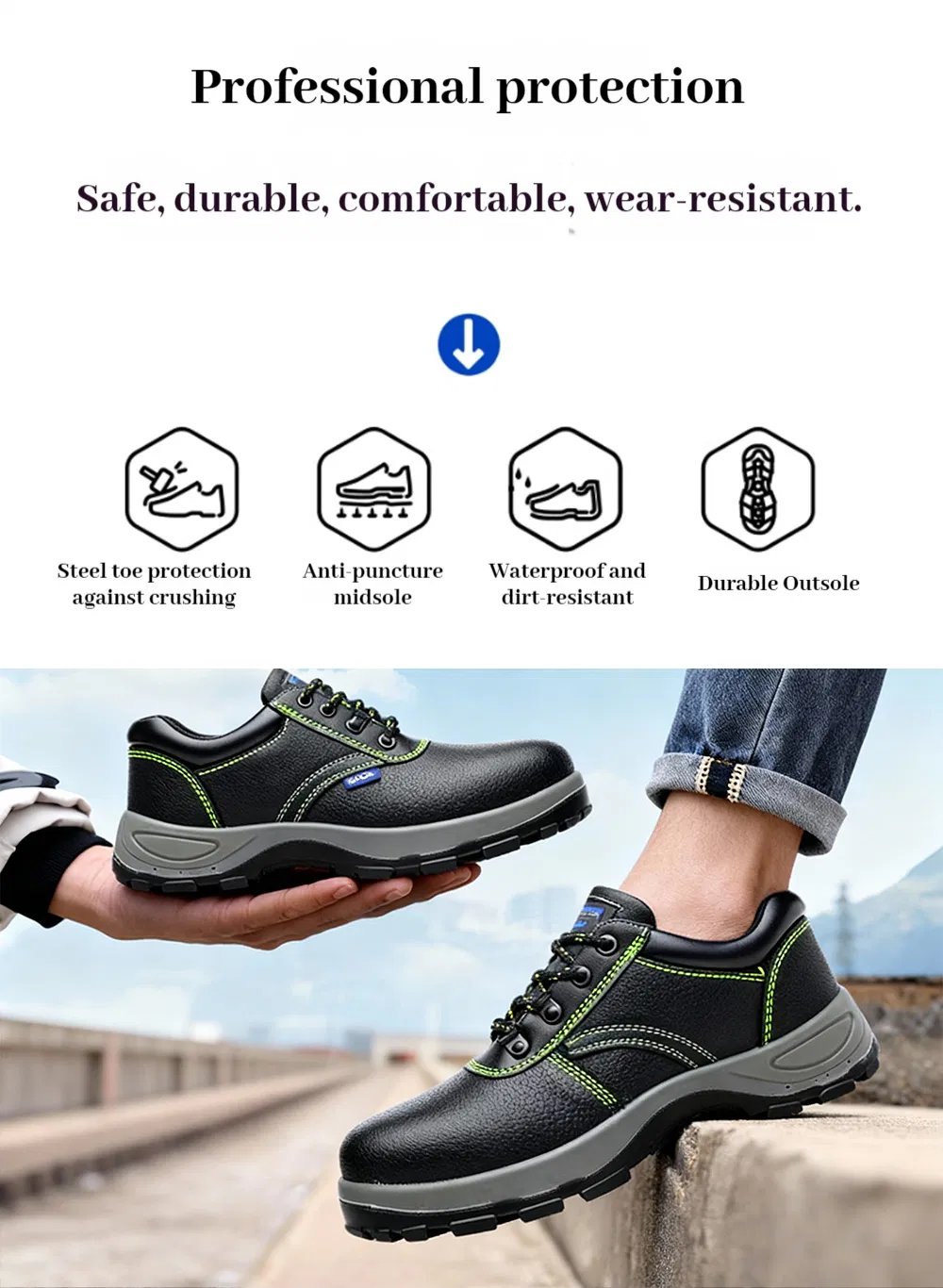
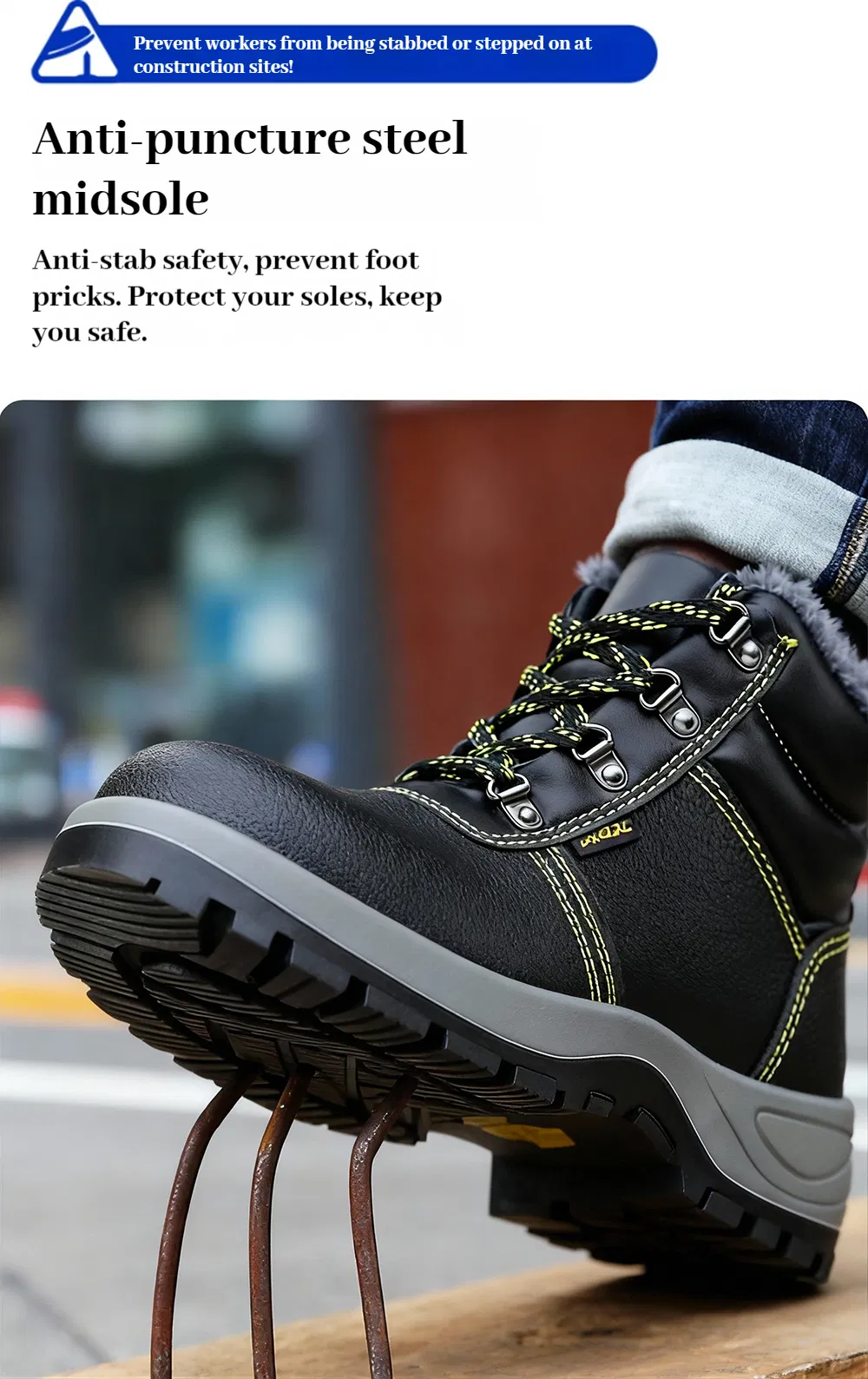
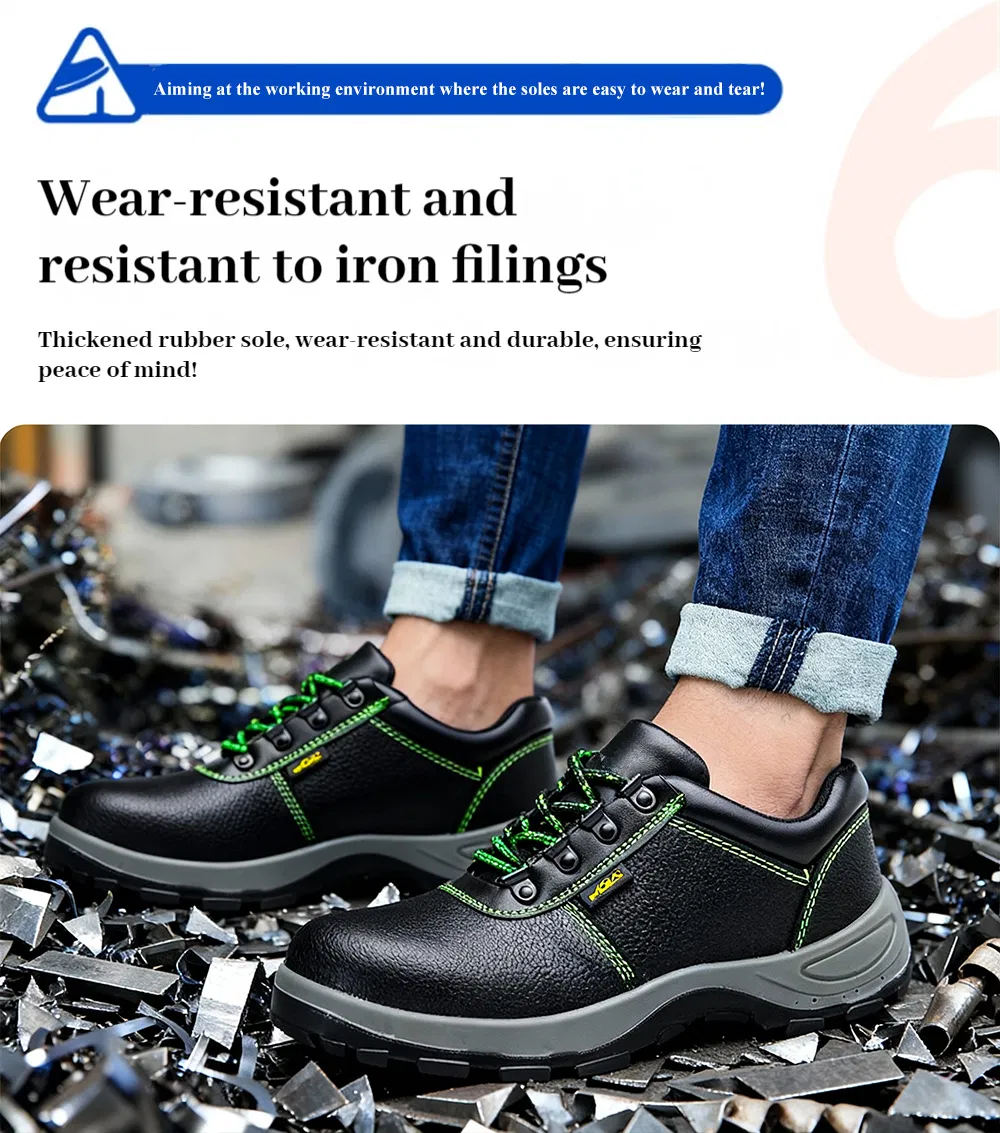
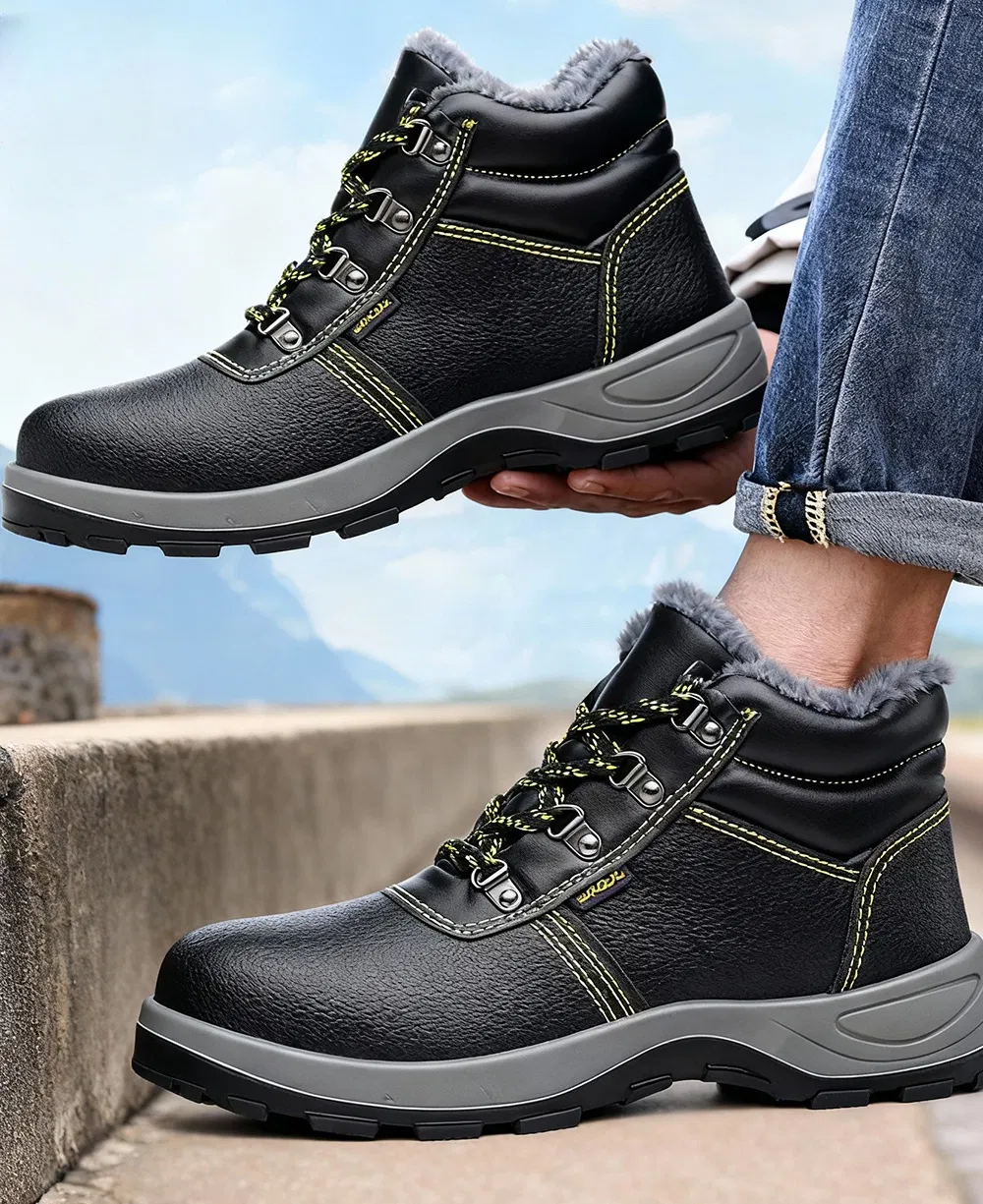
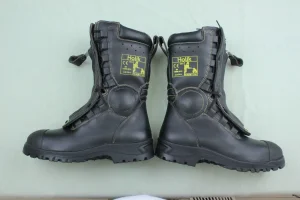
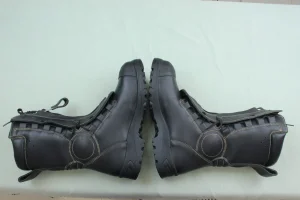
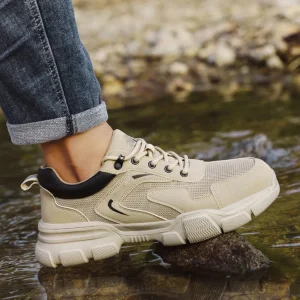
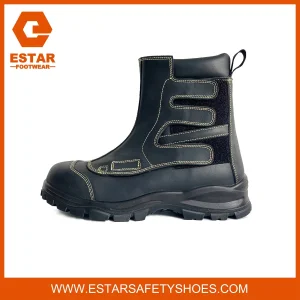
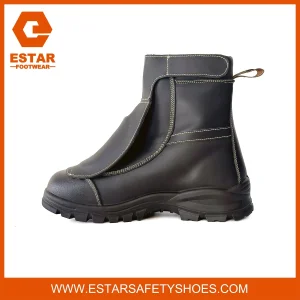
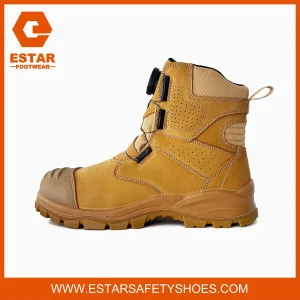
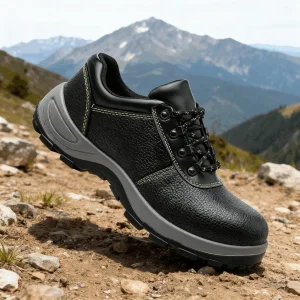
Safety shoes are specialized personal protective equipment (PPE) designed to protect your feet from hazards like falling objects, punctures, electric shock, and extreme temperatures which regular sneakers cannot withstand.
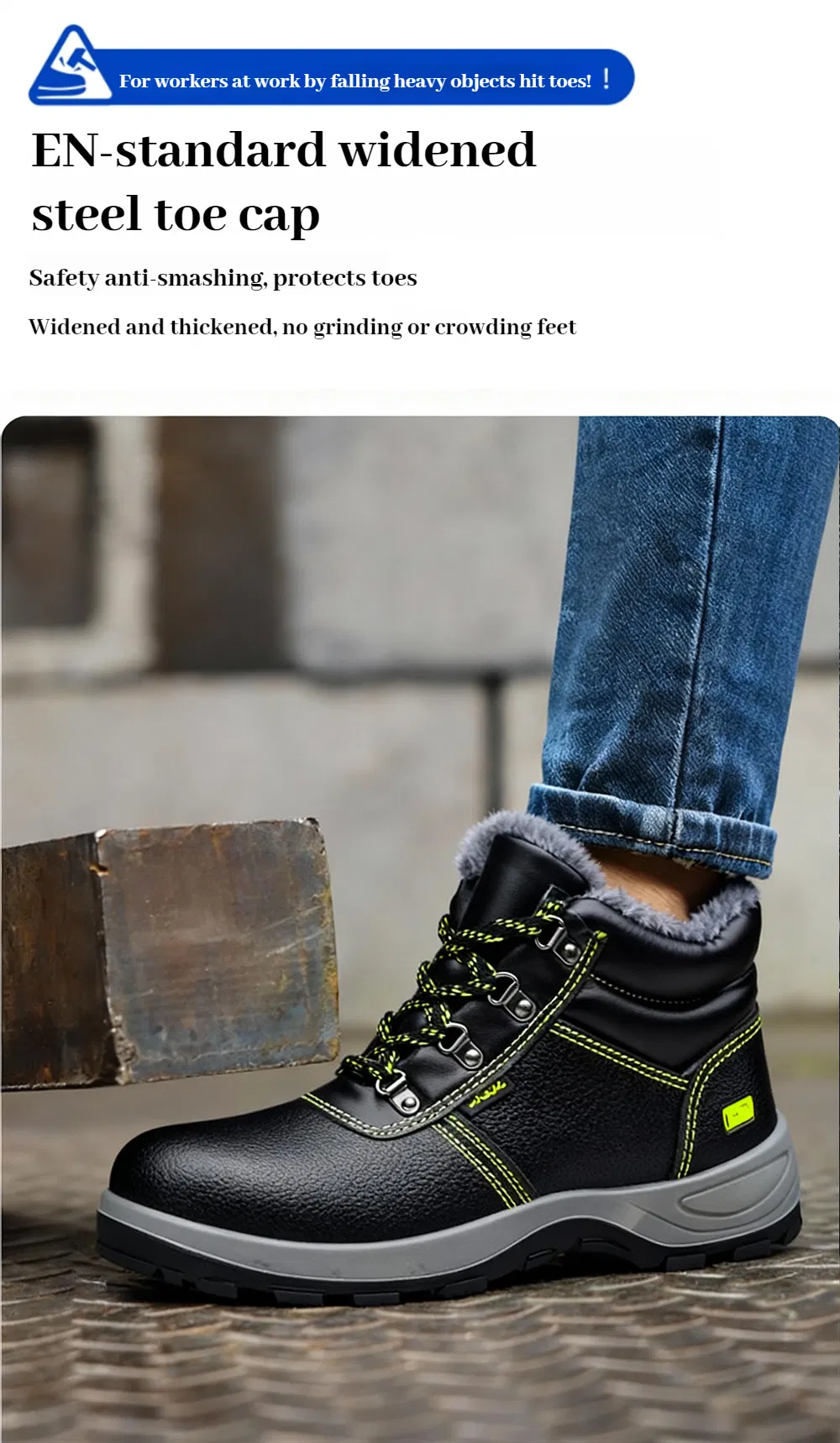
2 Can the "steel toe" really protect against impacts?
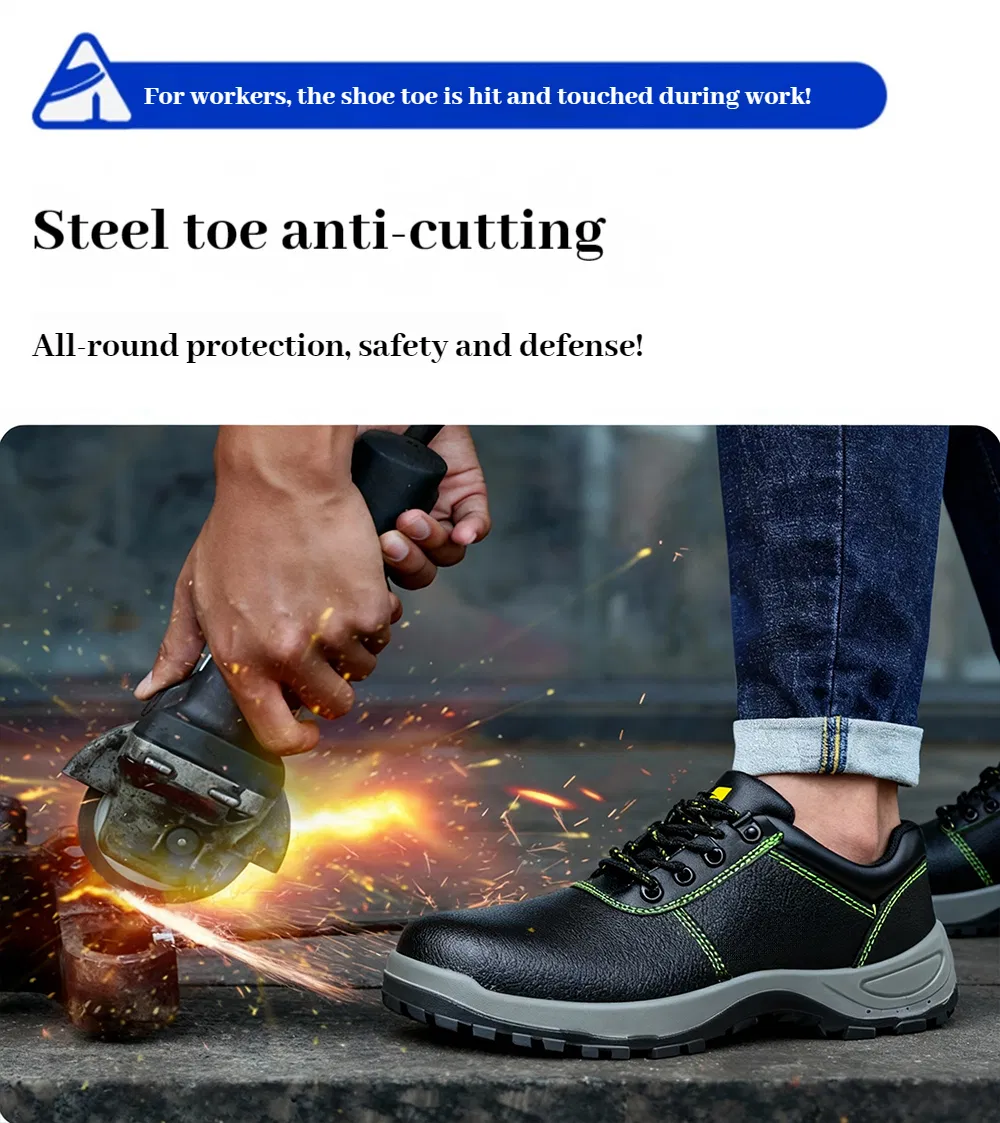
Yes. These protective toe caps meet international safety standards (such as ASTM F2413 or EN ISO 20345) and can typically withstand a 75-foot-pound impact and heavy compression.
3 Are there lighter options if safety shoes feel too heavy?
Yes. While steel toes are traditional, modern models use composite toe caps (fiberglass or Kevlar) which offer the same level of protection but are 30% to 50% lighter.
4 How should I maintain my safety shoes to extend their life?
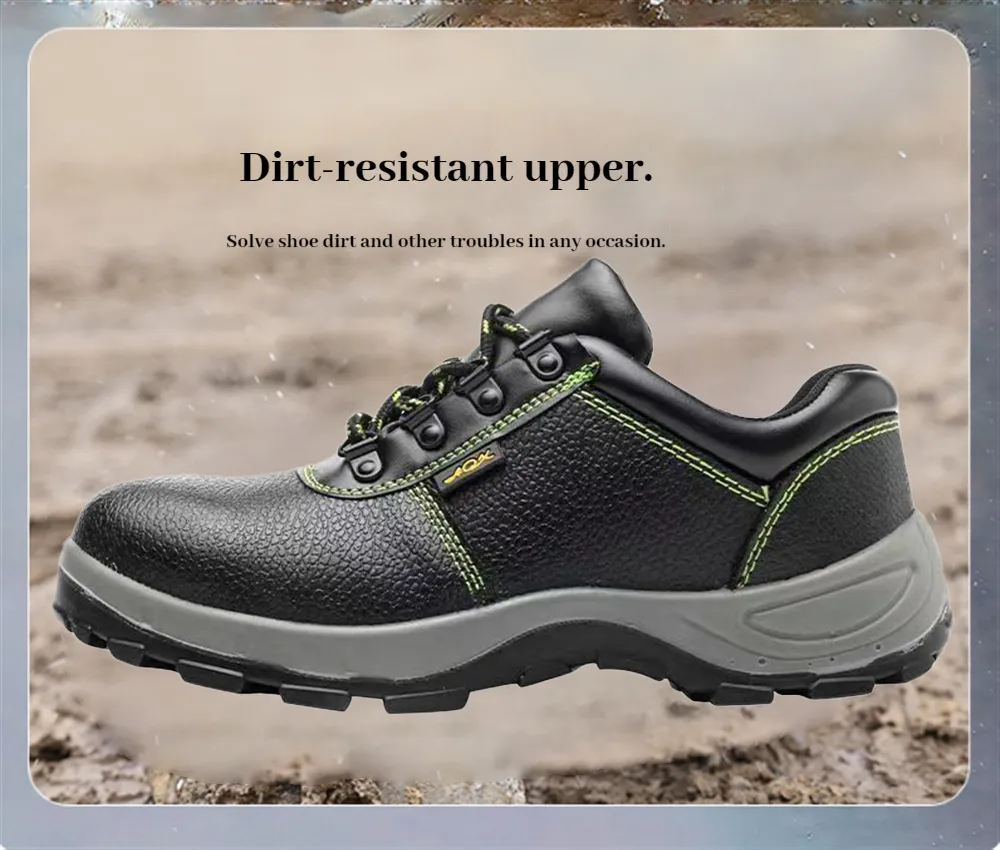
Clean them regularly with a damp cloth, air dry them naturally away from direct heat, and use leather conditioner for leather models to maintain flexibility.
5 Are safety shoes waterproof?
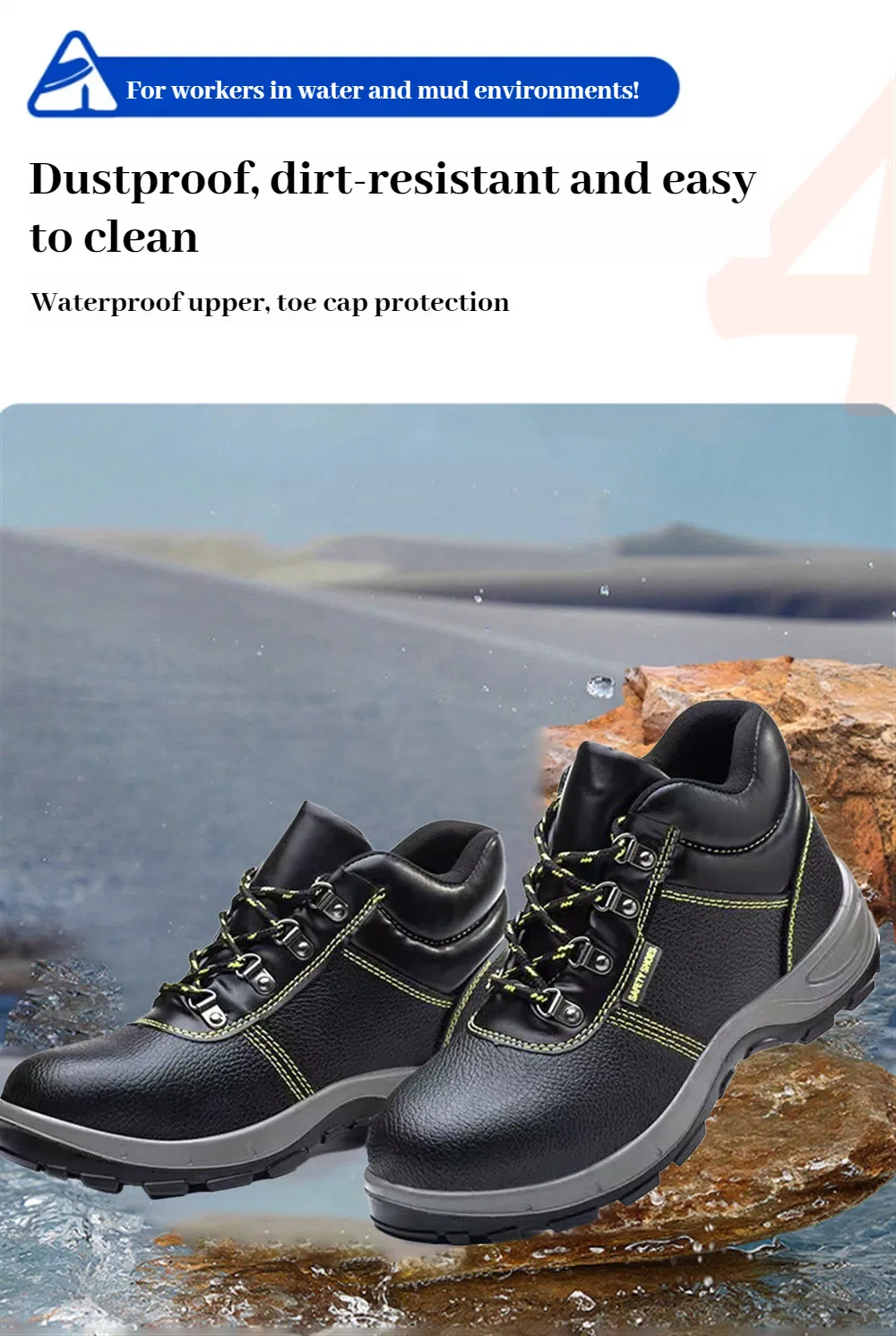
It depends on the model. Many are designed with waterproof membranes or sealed leather. Please check specific product specifications if your environment requires water protection.
6 What is the typical service life of safety shoes?
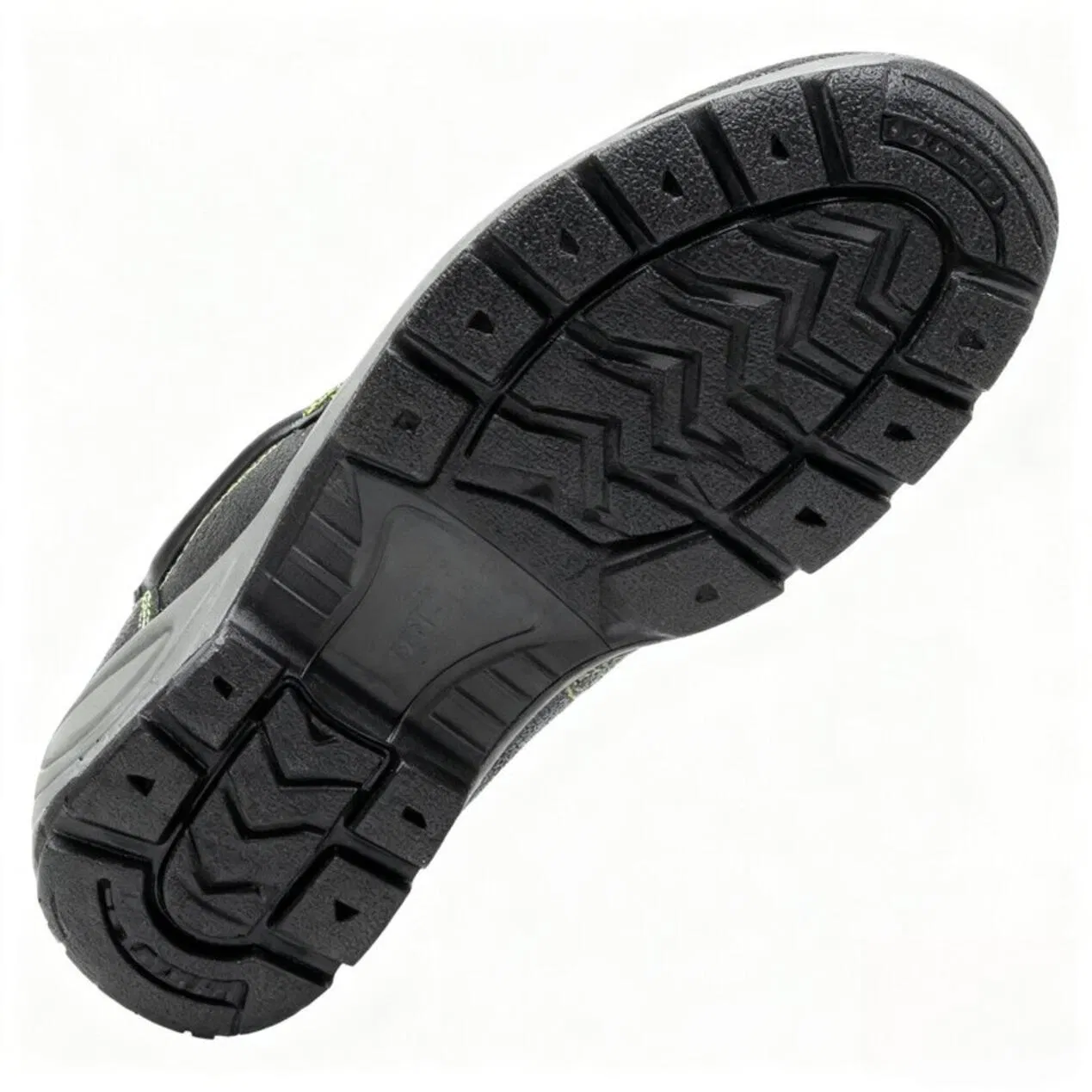
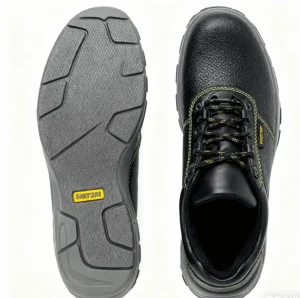
For daily wear, we recommend a thorough inspection every 6 to 12 months. Replace them immediately if you find significant damage to the protective features or if the sole tread is worn smooth.
 Lento Shoe