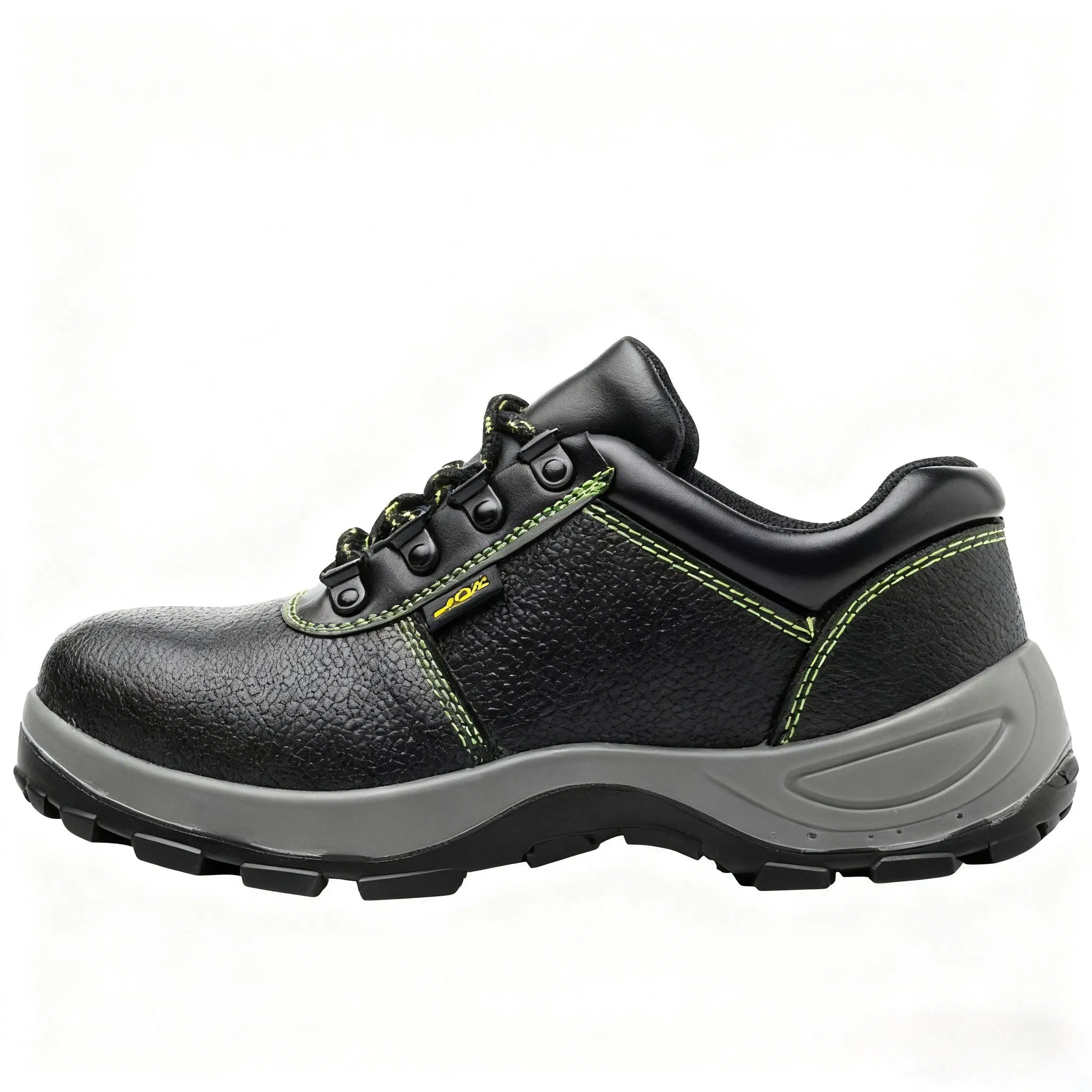
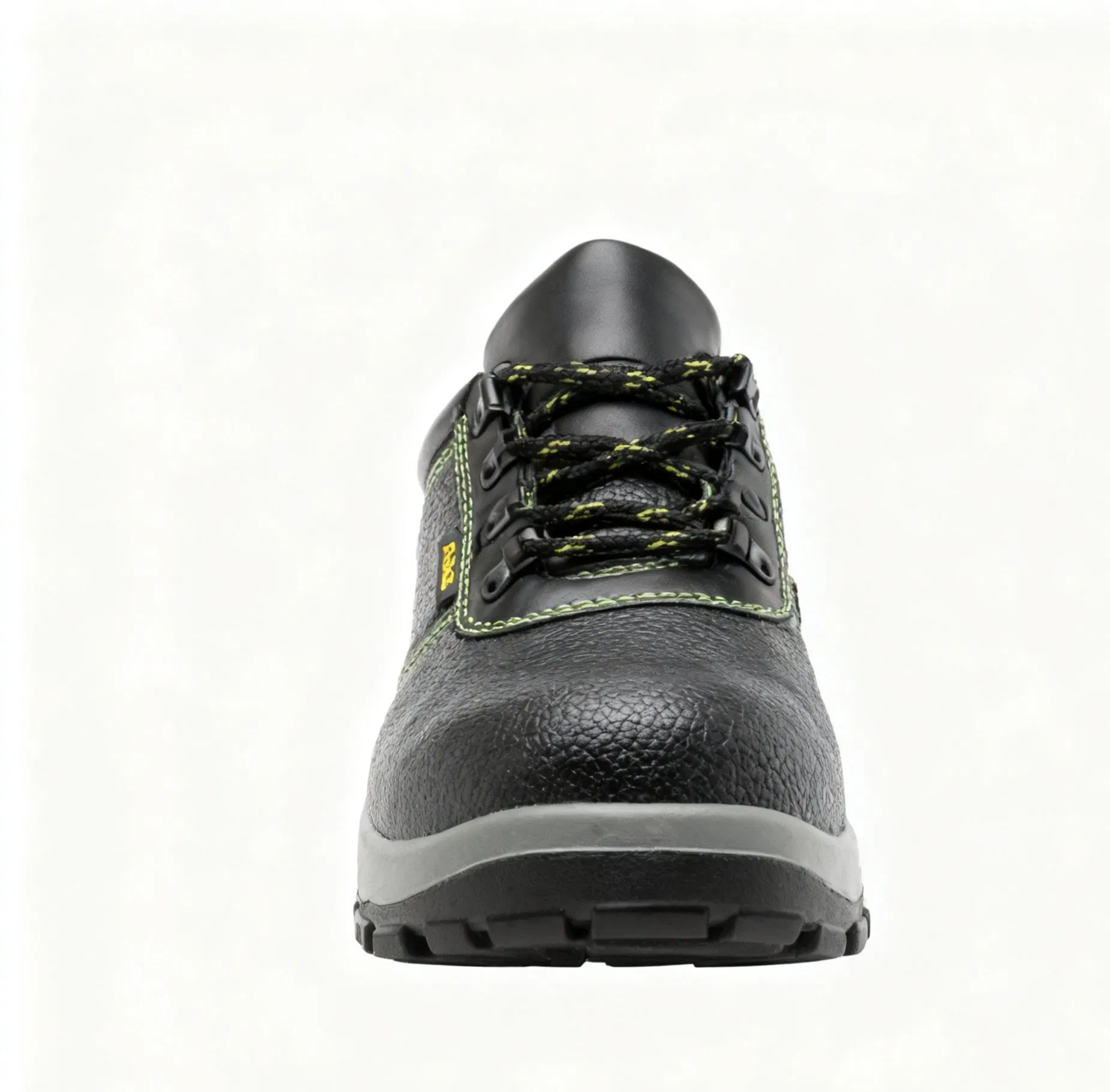
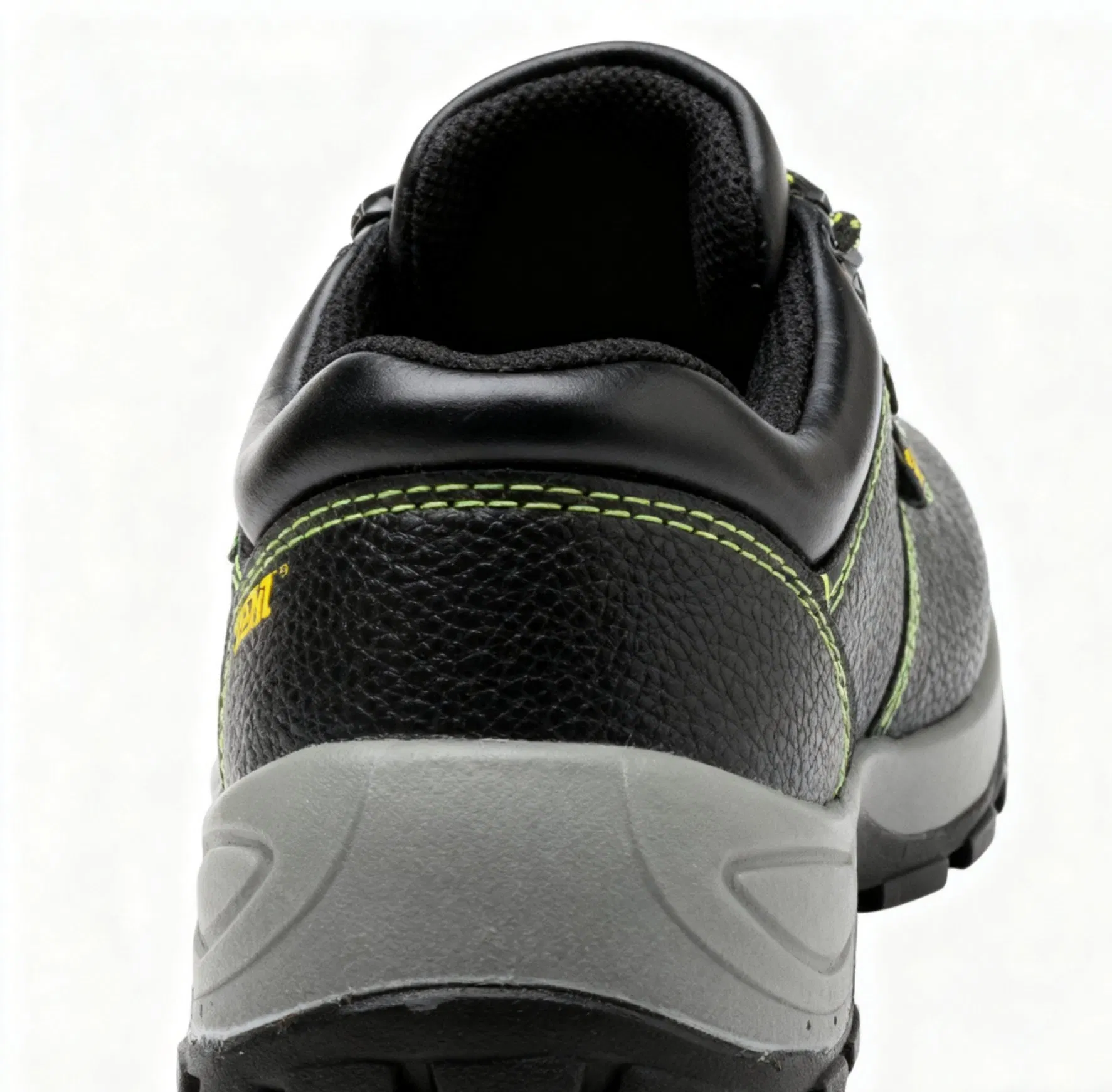
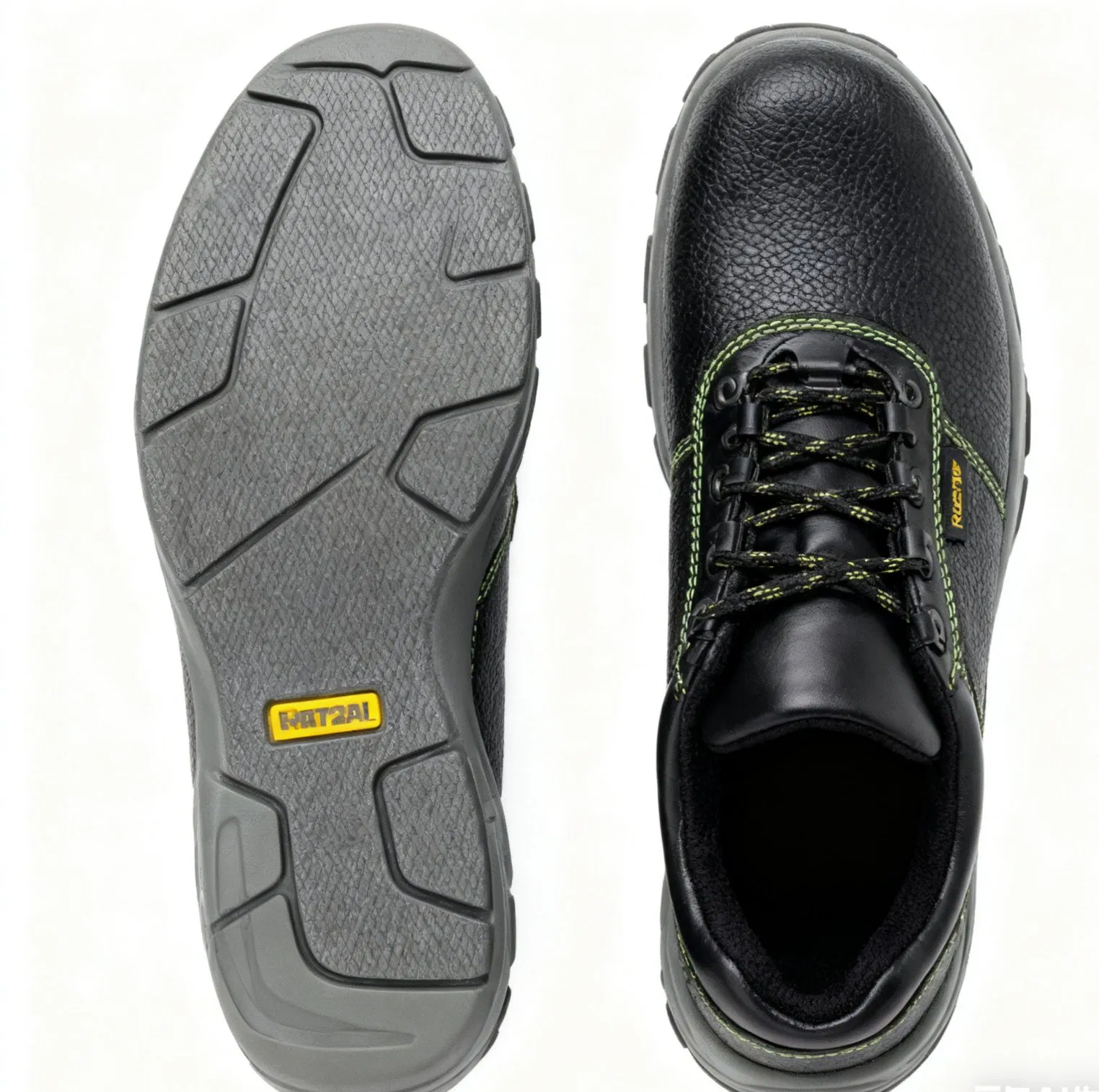
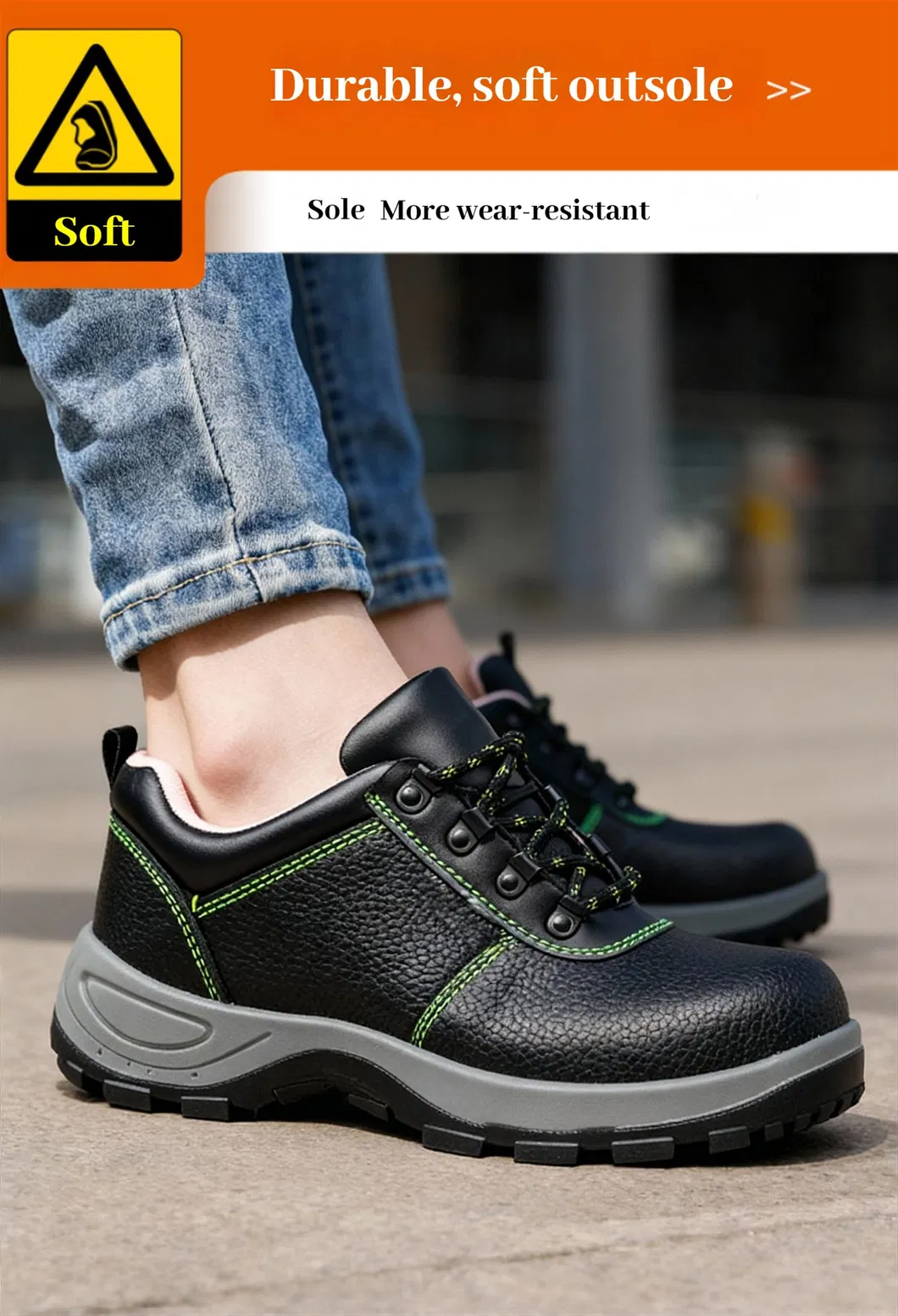
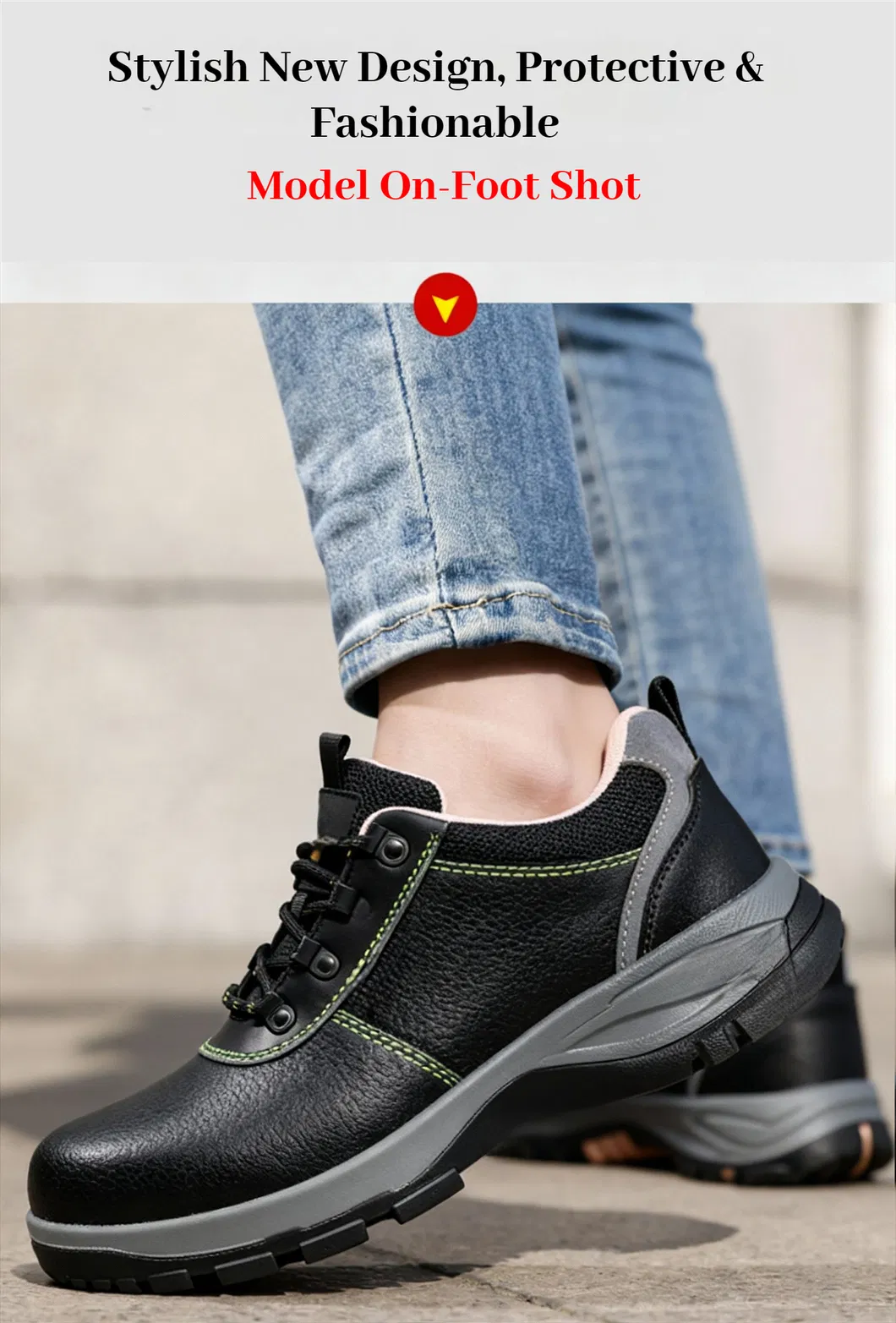
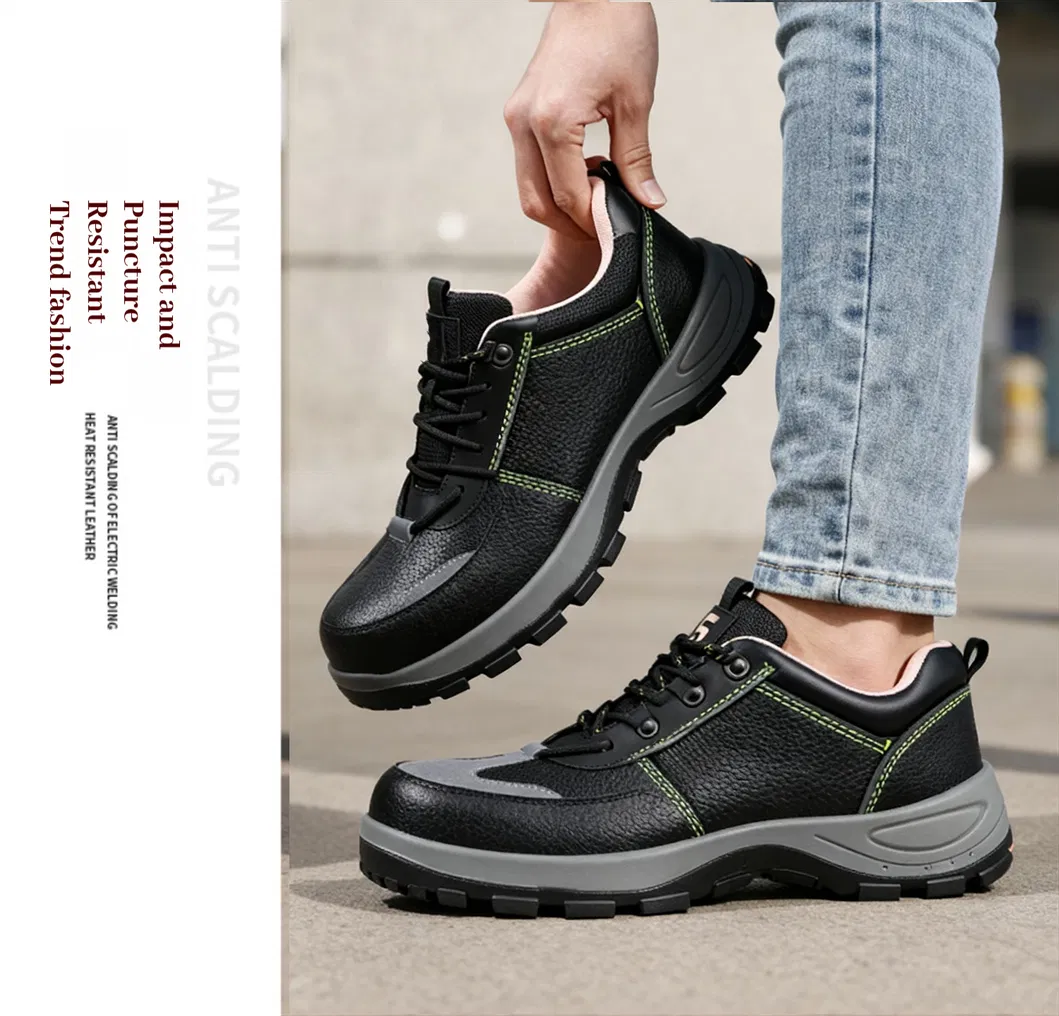
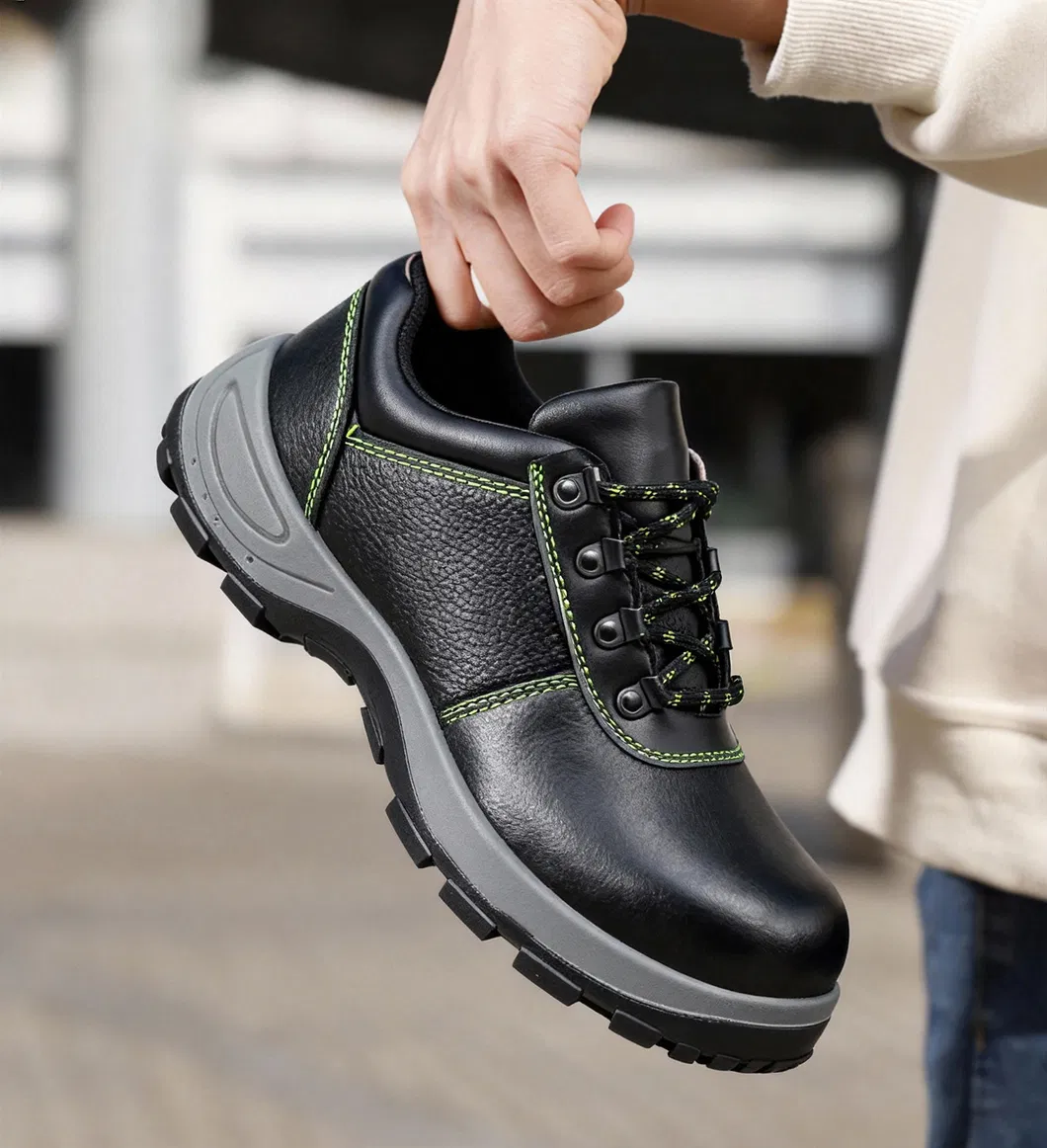
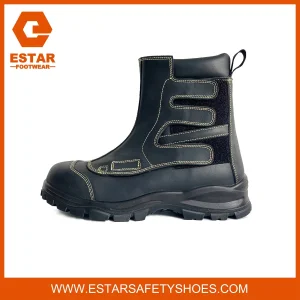
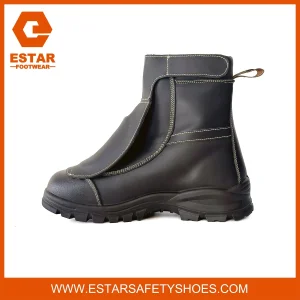
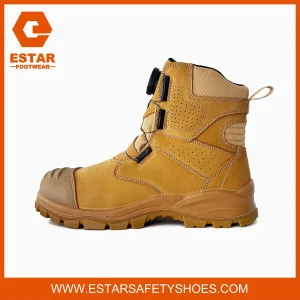
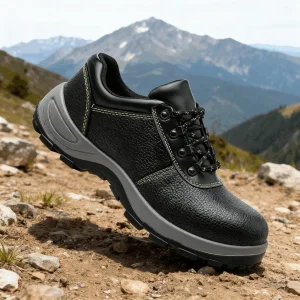
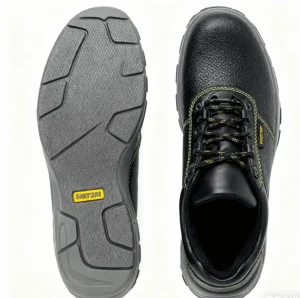
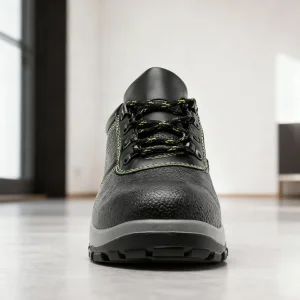
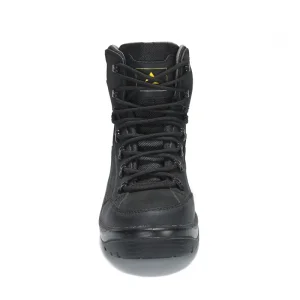
Heat Resistant Safety Shoes with Insulated Insole and Metatarsal Guard for Welding

Product Description

Product Description
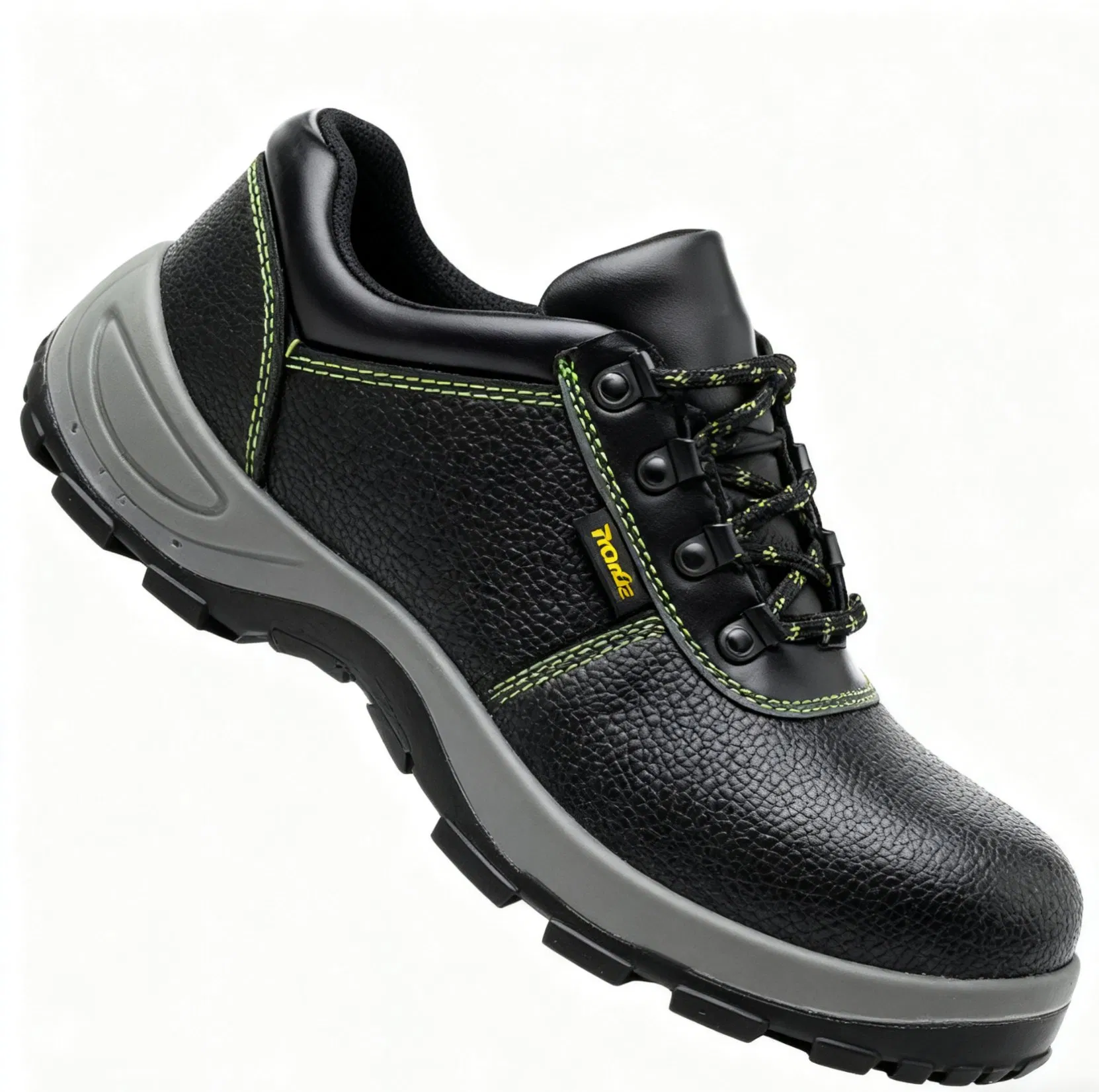
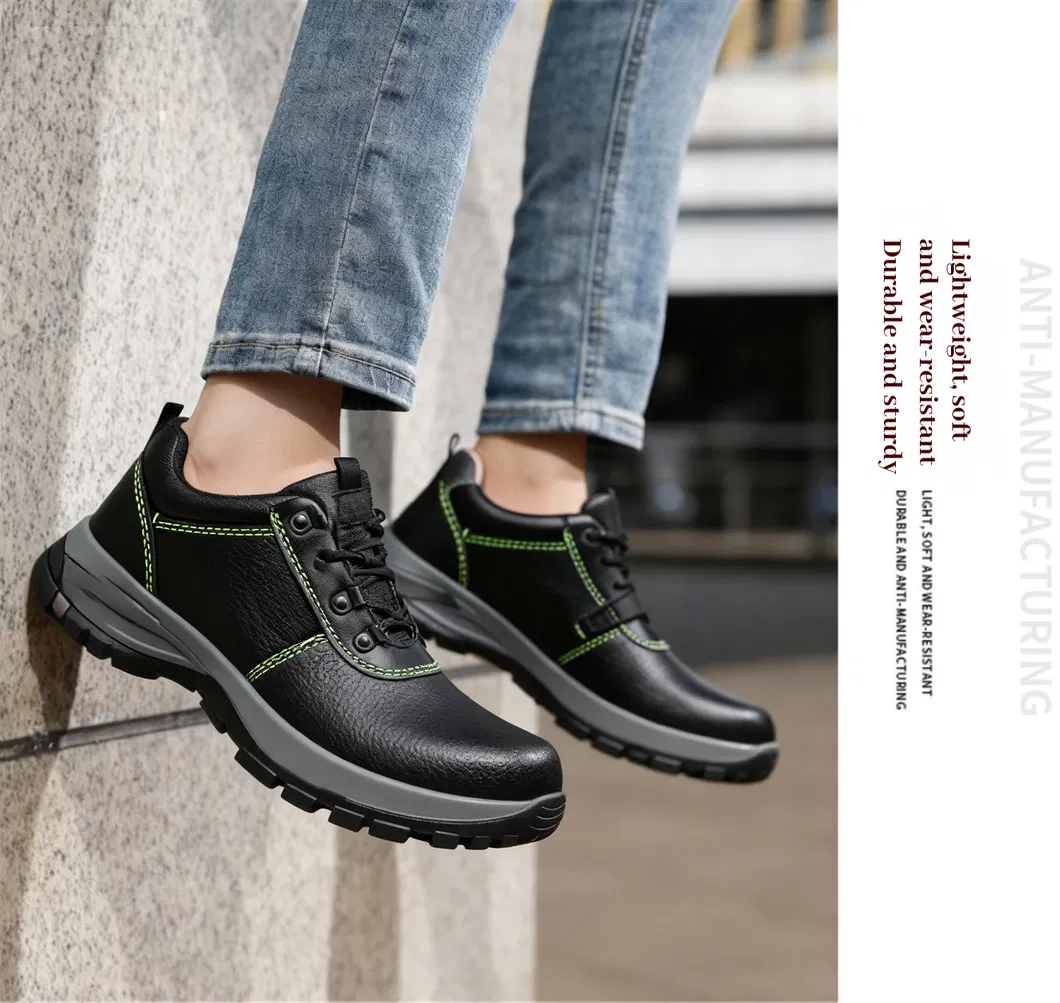
Weight 130 Shoe Upper Height Low-top
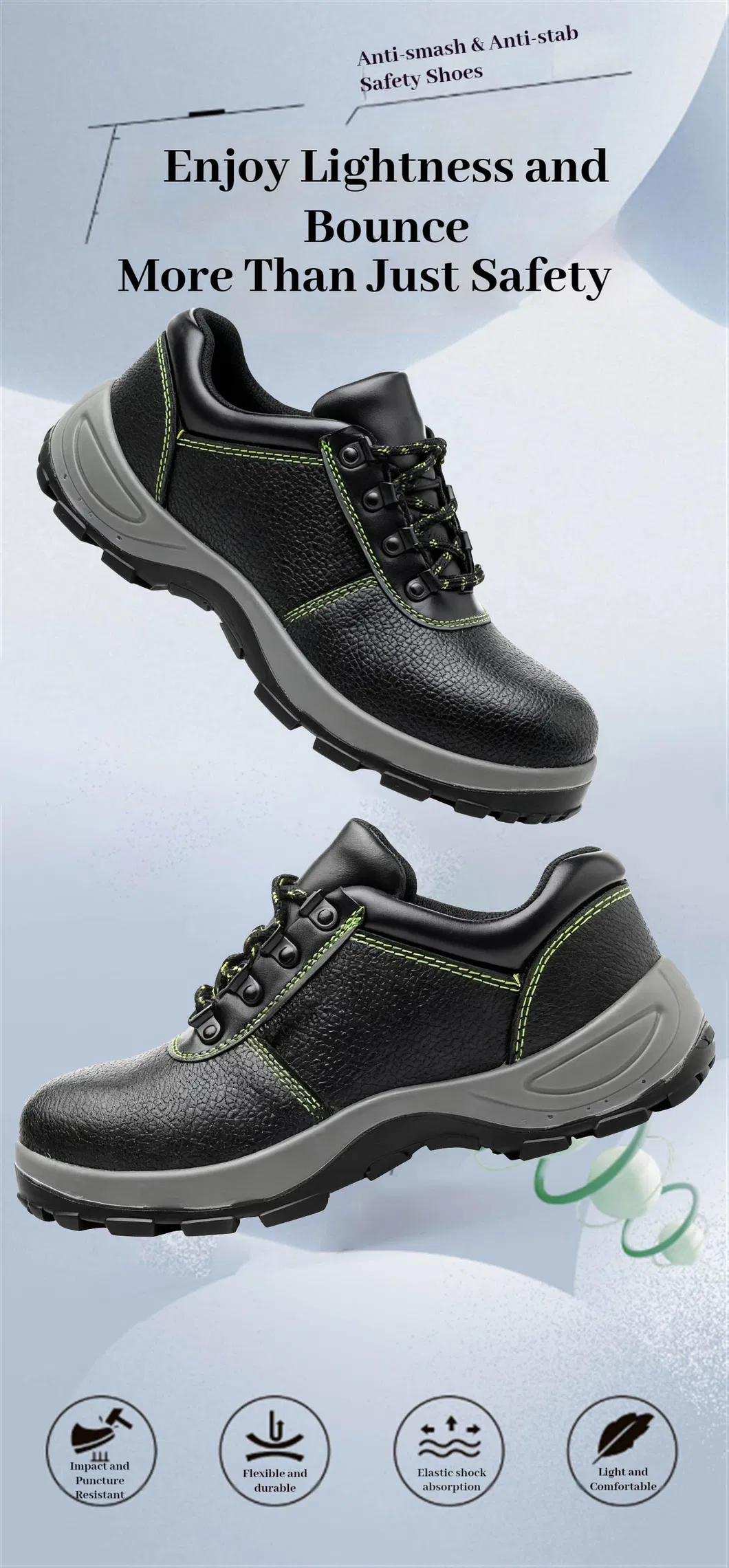
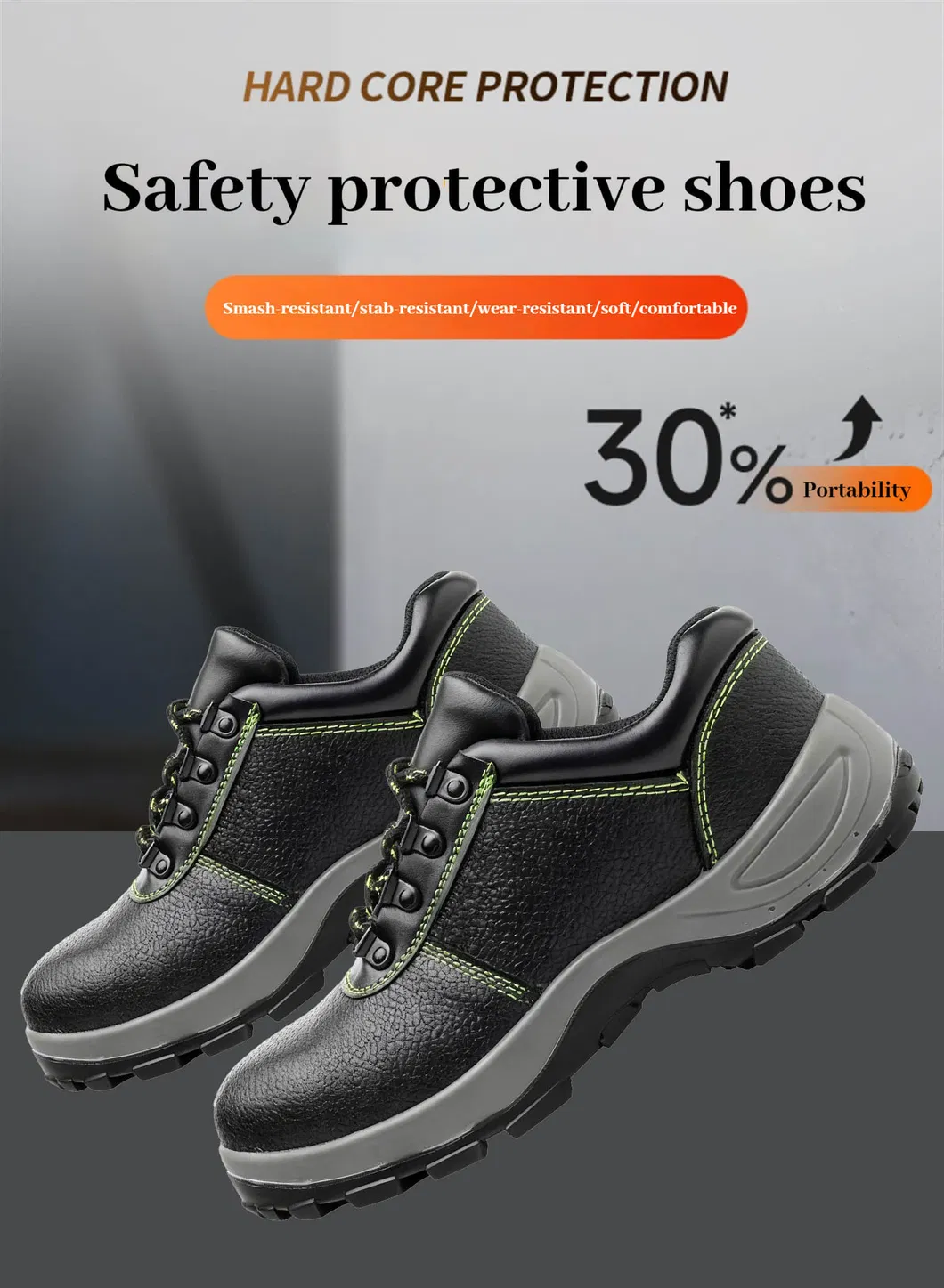
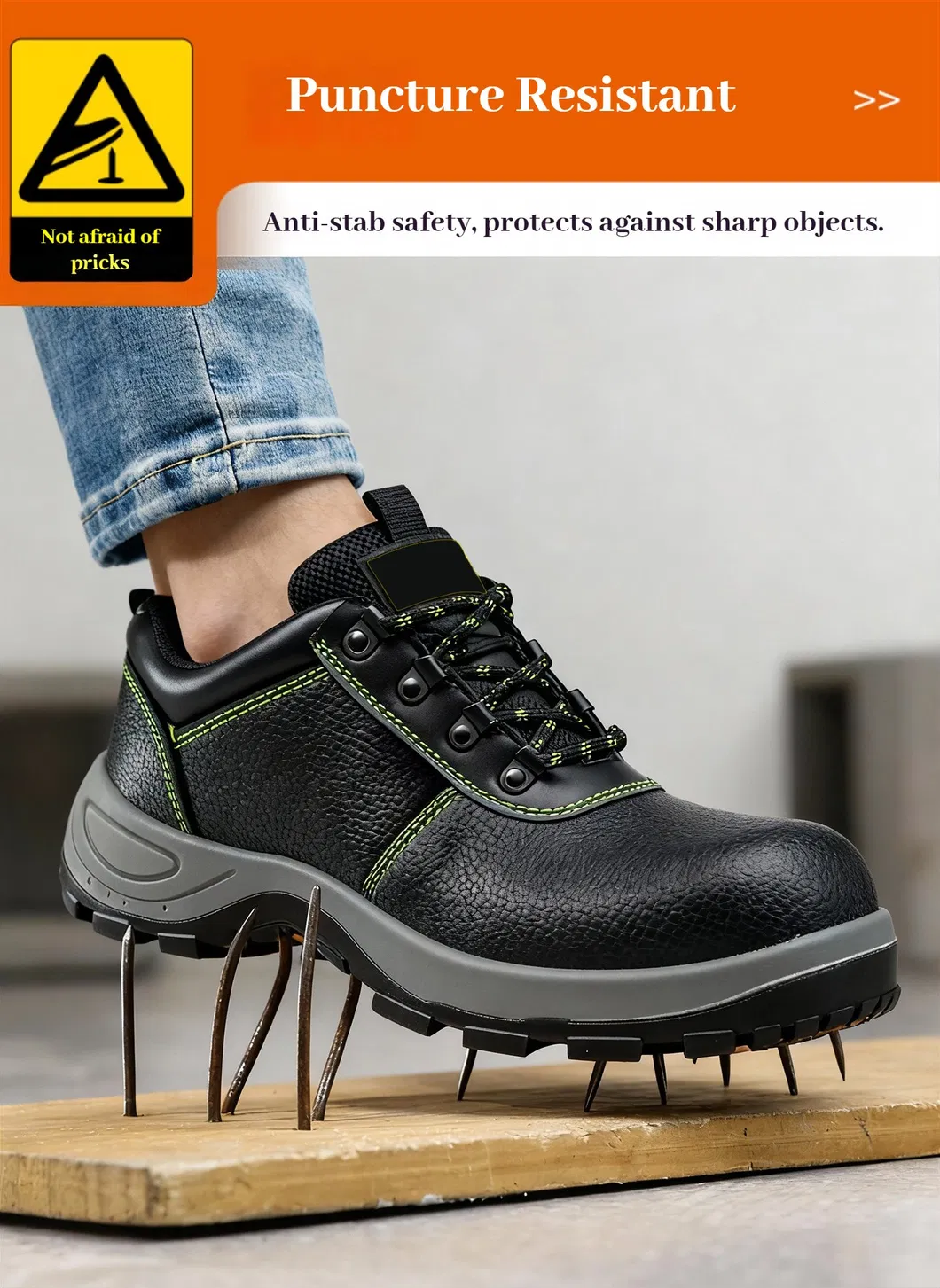
Upper Material Microfiber Function Impact and puncture resistant
Toe Style Widened iron head Shoemaking Craft PU injection
Sole Material PU Closure Method Shoelace binding
Type Anti-smash, anti-puncture, anti-scald Material Microfiber leather
Shoe Upper Style Mid-top Baotou Material Iron Heads
Item Number 539pu Options 539 Black, 539 Cotton, 539 Medium, 006 Leather
Scenario Use
Welding industry Food processing Petroleum mining Agriculture & Forestry Electroplating Auto repair Steel smelting Construction Chemical industry Logistics Power industry
Production Quality

Specializing in the production and processing of special protective shoes such as 6kv-10kv insulation. We focus on a series of products featuring dirt resistance, wear resistance, puncture resistance, and smashing resistance. Using premium materials tailored to different industrial needs, our products ensure superior protective performance and comfortable long-term wear.
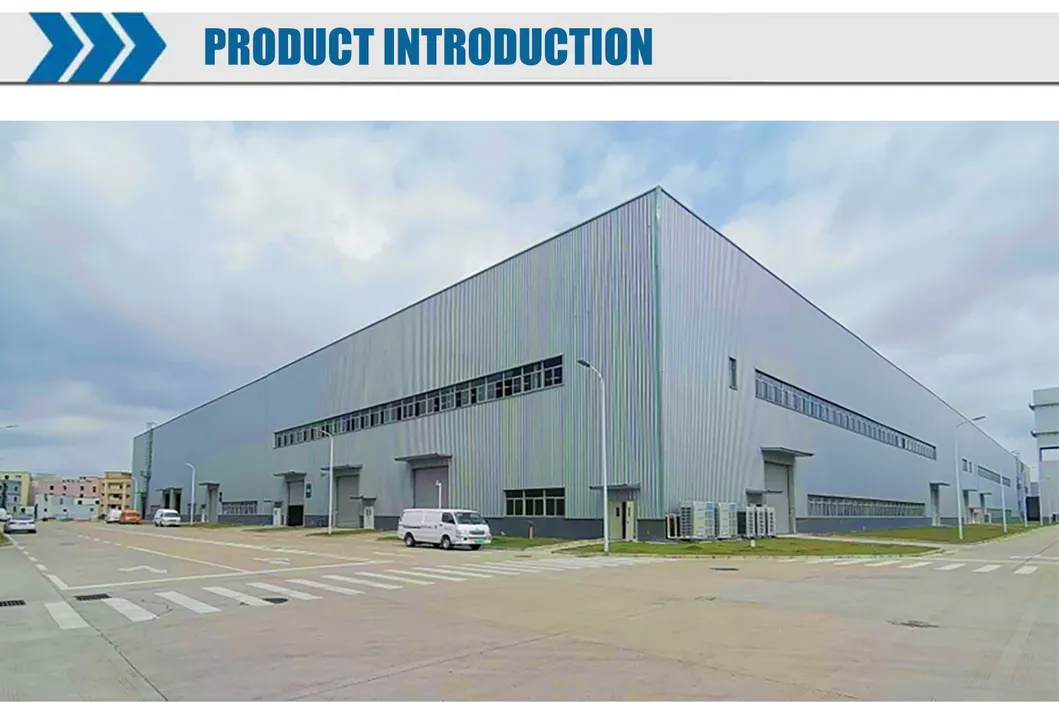

Manufacturing Center
Packaging & Shipping
Shipping Logistics
Frequently Asked Questions
Q1: Why do I have to wear safety shoes instead of regular sneakers?
Safety shoes are specially designed Personal Protective Equipment (PPE) to protect feet from falling objects, punctures, electric shock, and extreme temperatures, features that regular shoes lack.
Q2: Can "steel toe" shoes really protect against heavy impacts?
Yes. Protective toe caps must meet international standards (like ASTM F2413 or EN ISO 20345), capable of withstanding significant impacts (e.g., 75 foot-pounds) and compression.
Q3: How do I choose the correct size for safety footwear?
Try them on in the afternoon with your work socks. Ensure there is a thumb's width of space at the front while the heel remains secure. Always walk around to test comfort.
Q4: Are there lighter options if traditional steel-toe shoes are too heavy?
Absolutely. Composite toe caps (fiberglass or Kevlar®) offer the same protection level but can be 30% to 50% lighter than steel.
Q5: How often should I replace my safety shoes?
While there is no fixed timeframe, we recommend a thorough inspection every 6 to 12 months. Replace them immediately if soles are worn smooth or protective features are compromised.
Q6: Are these shoes suitable for different seasons?
Yes, we offer breathable mesh models for summer comfort and insulated, warm linings for winter protection.

Related Products