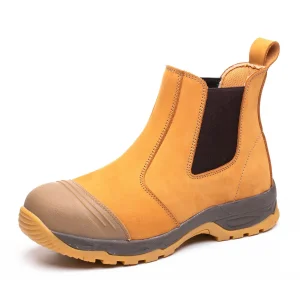
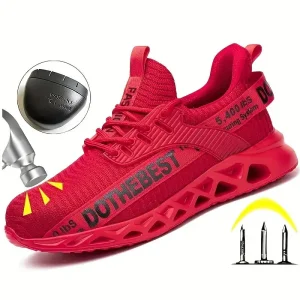
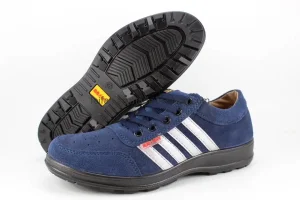
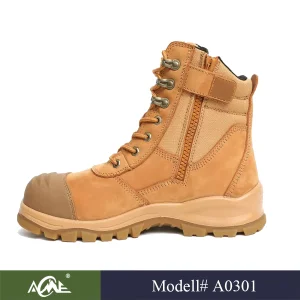
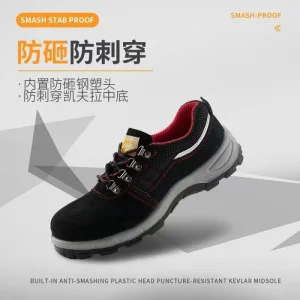
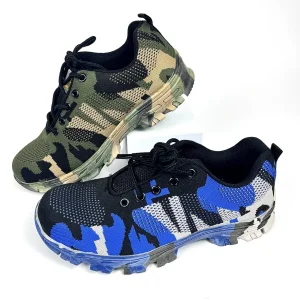
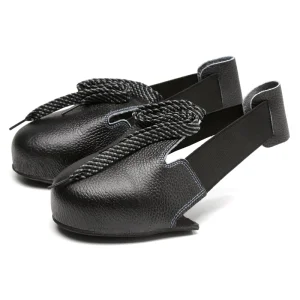
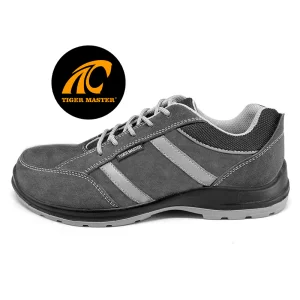
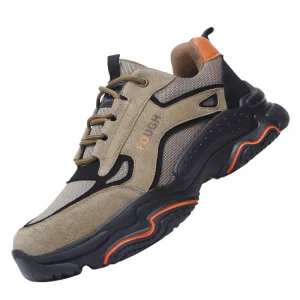
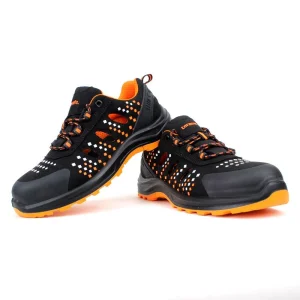
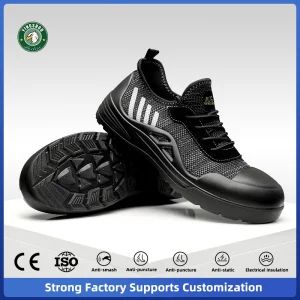
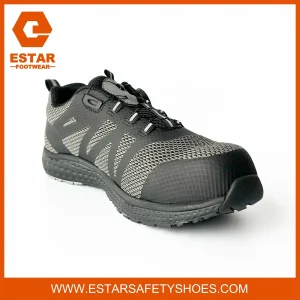
Engineered for the South African climate, combining breathability with non-metallic protection.
In South Africa’s diverse industrial landscape—from the deep-level gold mines of Gauteng to the burgeoning logistics hubs in KwaZulu-Natal—the demand for composite toe safety shoes is surging. Historically, steel-toe boots were the standard, but the extreme thermal conditions of South African mines and the high-security requirements of airports and data centers (requiring non-metallic, airport-friendly footwear) have catalyzed a shift toward composite technology.
Our shoes are designed to withstand the rugged terrain of the North West province's platinum belt while offering the comfort required for 12-hour shifts in Durban's shipping terminals.
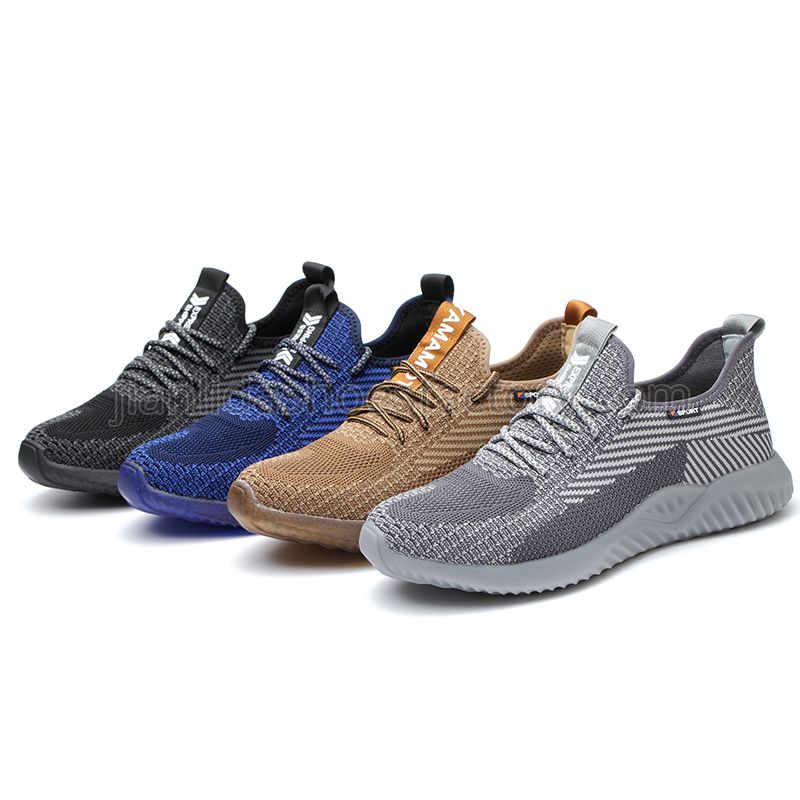
Weifang Lento Shoe Co., Ltd., located in the heart of Shandong's manufacturing hub, stands as a premier China Work Boots Manufacturer. With over a decade of specialization, we have bridged the gap between heavy industrial safety and modern ergonomic design.
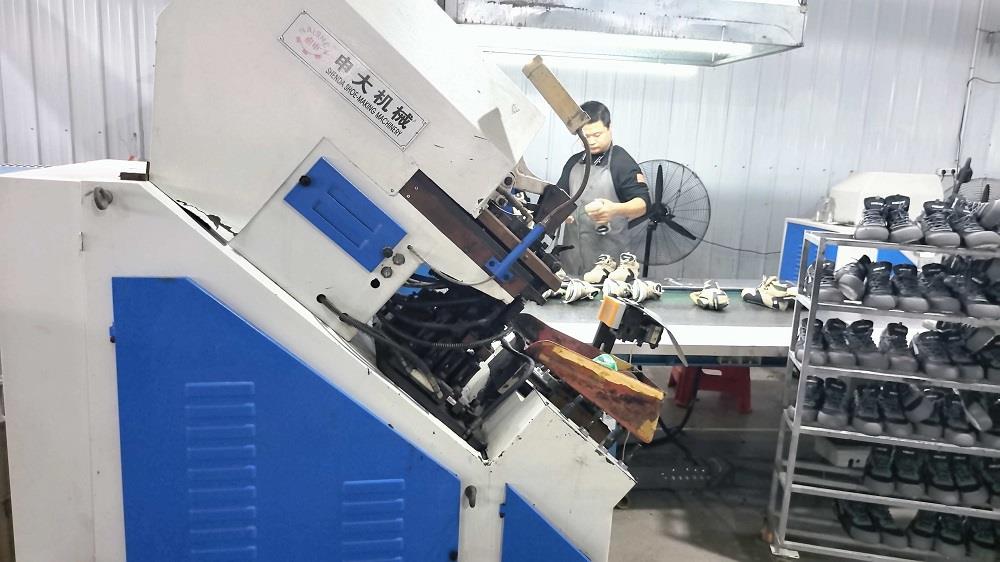
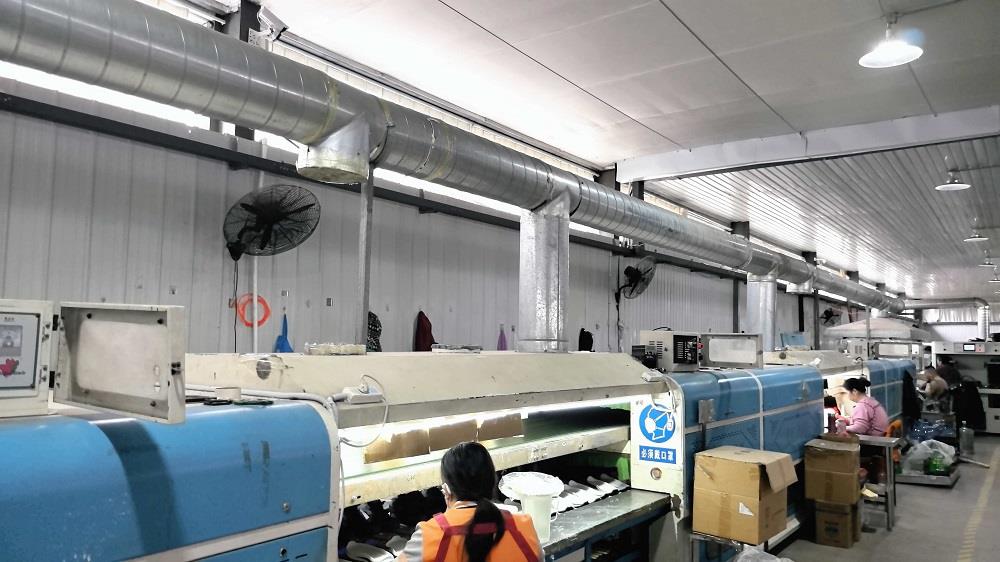
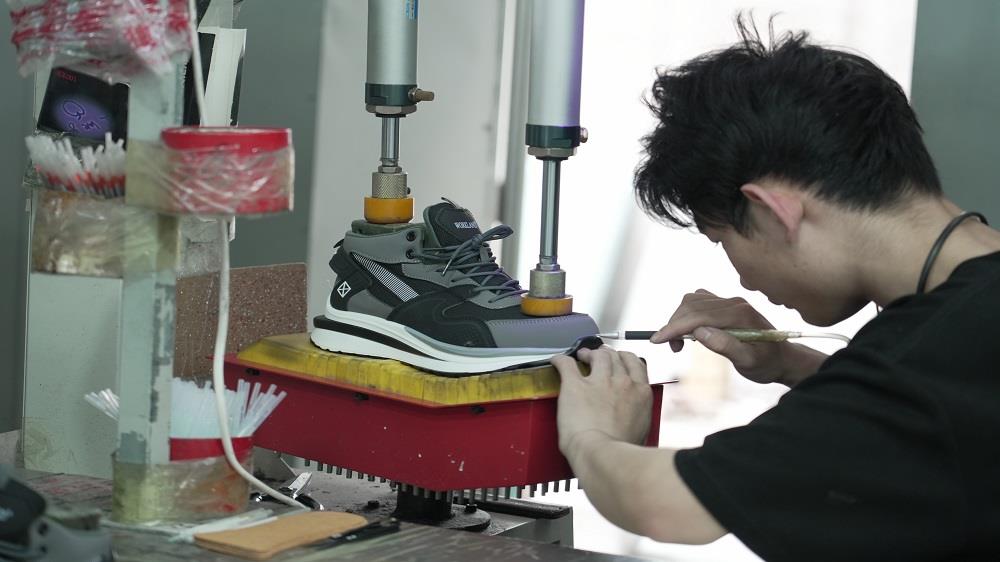
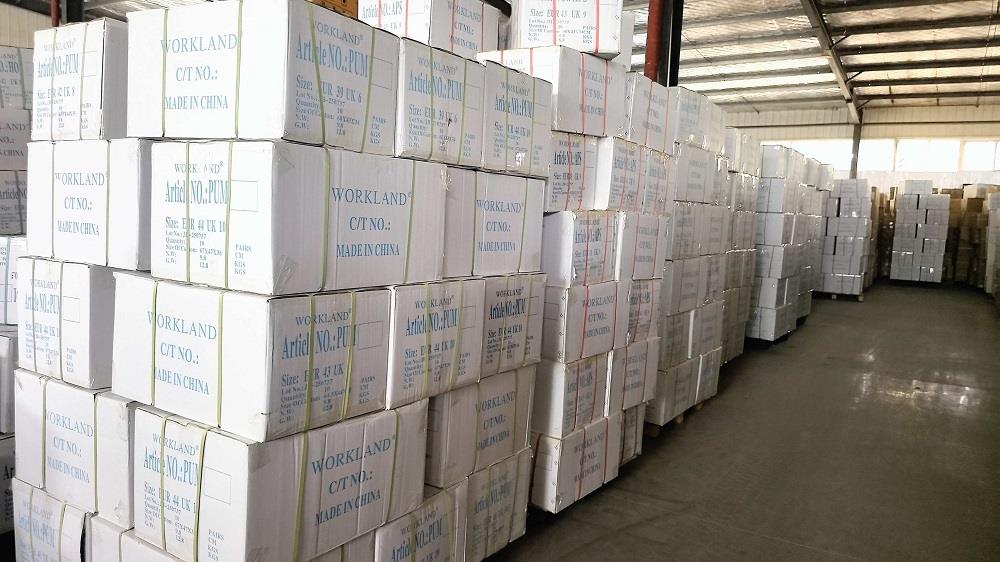
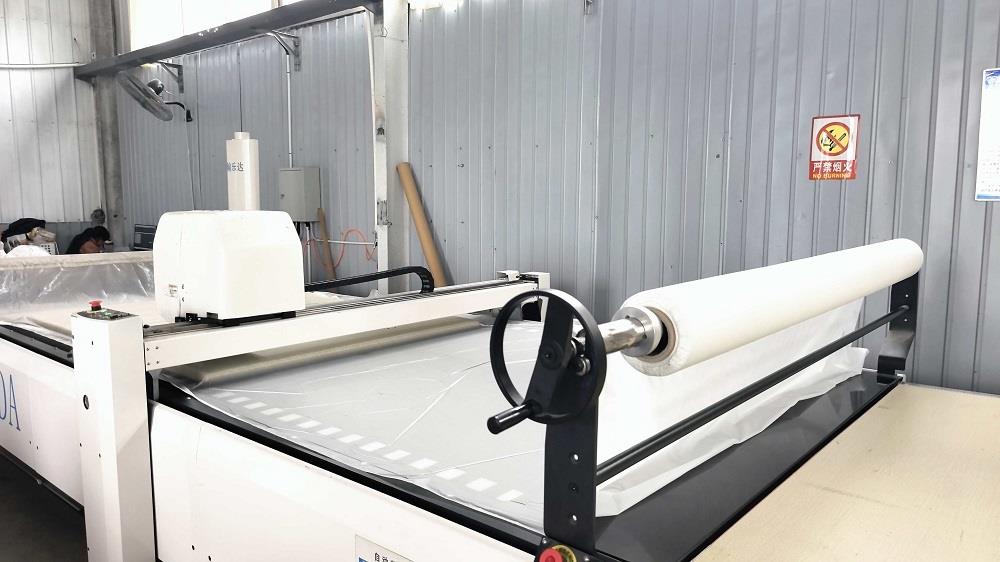
Our facility integrates the entire lifecycle of footwear production—from robotic cutting to advanced cold-bonding technology. We are not just a supplier; we are a strategic partner for South African distributors seeking OEM and ODM services that comply with CE, ASTM, and ISO 20345 standards.
View Factory CertificationsOur state-of-the-art production line ensures every pair meets rigorous safety benchmarks.
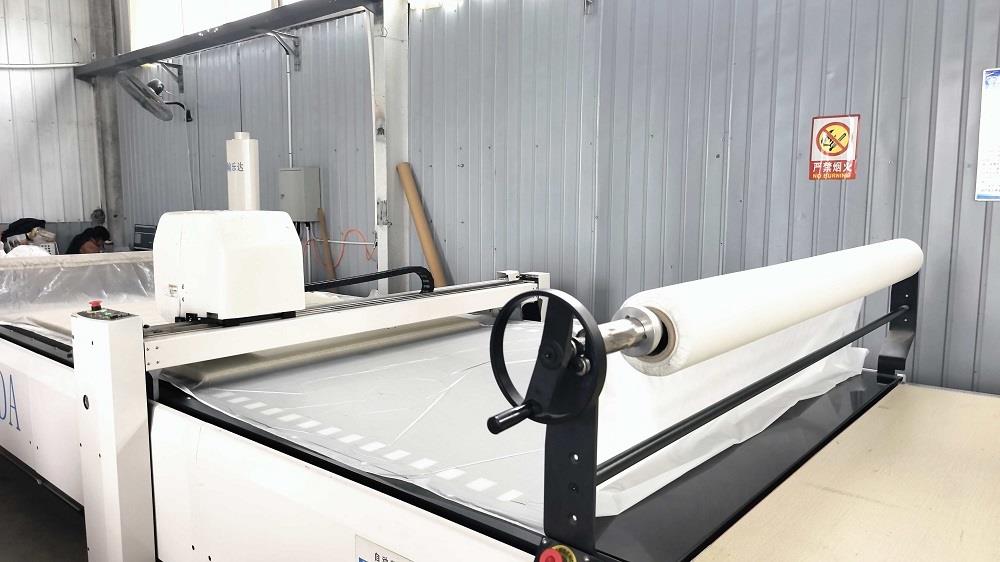
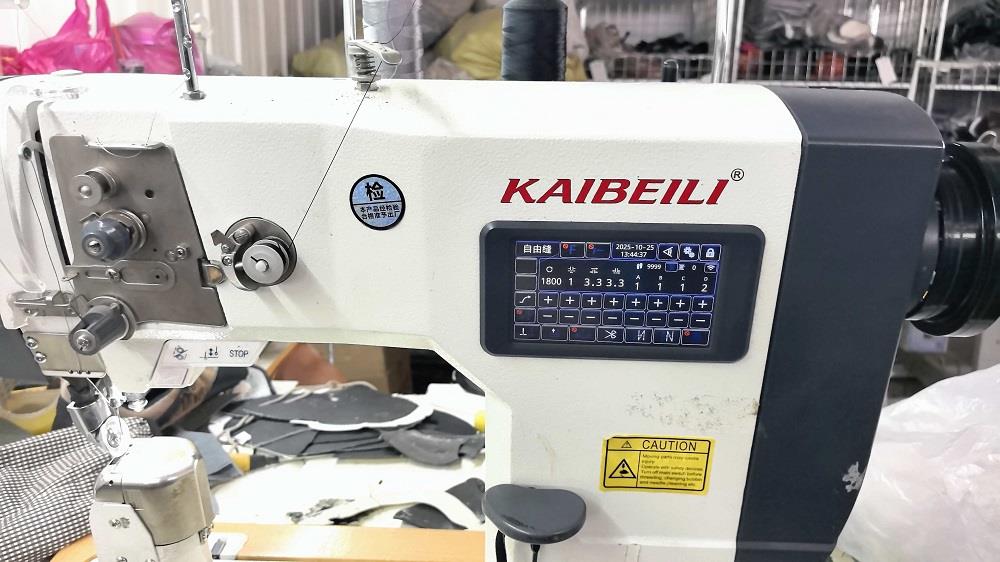
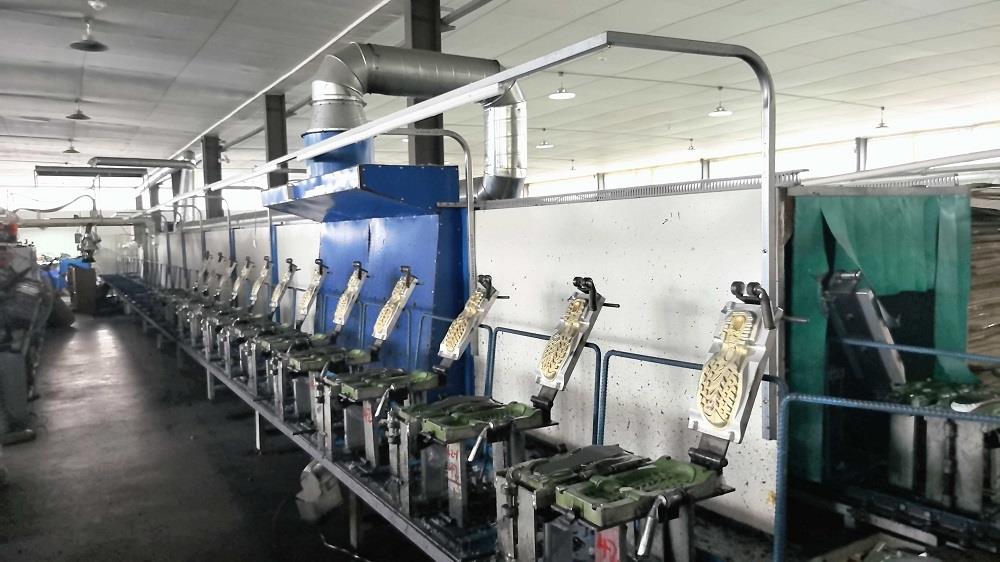
The Science of Composite Protection: Unlike steel, composite toes are made from a blend of carbon fiber, fiberglass, and reinforced plastics. This provides a significant thermal insulation advantage. In the scorching South African summer, steel toes can heat up, causing discomfort and sweat-related skin issues. Composite materials remain temperature-neutral.
Electrical Hazard Protection: For workers in Eskom-related projects or electrical engineering, composite toes are non-conductive. This adds a critical layer of safety when working around high-voltage equipment, a common requirement for South African industrial footwear.
Supply Chain Resilience: China’s manufacturing ecosystem allows Weifang Lento to source the highest grade of Kevlar and Nano-carbon fibers at a fraction of the cost of European manufacturers. This "China Efficiency" means South African wholesalers can access premium protection at prices that fit the local market's budget constraints without compromising on NRCS compliance.
The next frontier for the South African market is the integration of recycled materials and smart monitoring. Weifang Lento is already prototyping shoes with embedded fatigue sensors for miners and biodegradable outsoles to reduce the carbon footprint of the construction industry.
As South Africa continues to modernize its infrastructure under the National Development Plan, our technical roadmap focuses on reducing the weight of shoes by another 15% through the use of graphene-infused composite toes.
Explore our full range of certified safety footwear for every industrial application.
 Lento Shoe