When choosing safety shoes, many people wonder, "why do my safety shoes hurt my feet?" This question highlights a common issue faced by workers in various industries. Safety shoes are designed to protect, yet discomfort often arises. Factors such as improper fit, inadequate arch support, and the materials used can all contribute to foot pain.
Imagine spending your workday in shoes that pinch your toes or cause blisters. This discomfort can significantly affect your performance and overall morale. Safety is paramount, but so is comfort. It is essential to recognize that even the best safety shoes may require adjustments to meet individual foot needs. For instance, trying various brands or styles can often reveal a better fit.
Evolving your footwear choices may be necessary. Custom insoles or a different size could also be the solution to your problem. By considering these changes, workers can alleviate foot pain while maintaining safety standards. Comfort and protection can coexist, leading to a more productive and happier work environment.
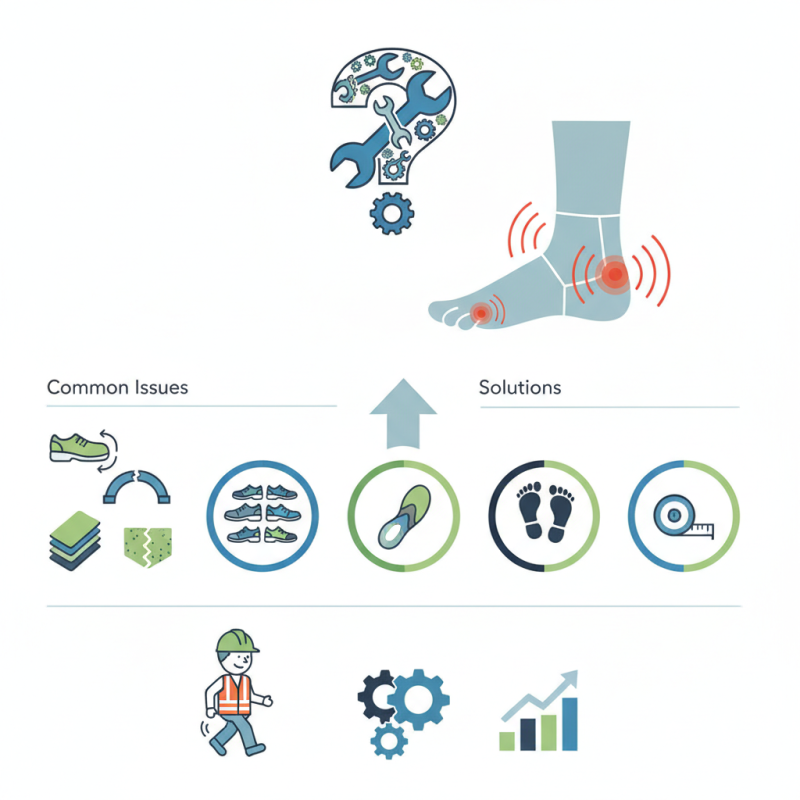
Wearing safety shoes is essential in certain work environments. However, they can often lead to discomfort or pain. Understanding the common causes of this pain is vital. Improper fit is a frequent issue. Shoes that are too tight or too loose can cause blisters or a lack of support. It's crucial to choose the right size and style for your feet.
Another contributing factor is the material of the safety shoes. Rigid materials can hinder flexibility. Shoes lacking adequate padding can lead to foot fatigue. If your shoes feel hard or inflexible, it may be time to explore options with better cushioning. Weight is another aspect to consider. Heavy shoes can stress your feet. Lighter options may offer comfort without sacrificing protection.
Footwear maintenance is often overlooked. Worn-out soles can lead to instability and discomfort. Regularly check your shoes for signs of wear. If they no longer feel supportive, consider replacing them. Lastly, personal foot anatomy must be recognized. Everyone's feet are different. Custom insoles can elevate comfort for many individuals. Understanding these factors can help in reducing pain and enhancing your work experience.
Choosing the right size and fit for safety shoes can be challenging. Many people find that the wrong size leads to discomfort. A shoe that is too tight can cause blisters. On the other hand, a loose shoe can lead to instability. It is essential to measure both foot length and width. Remember, feet can swell during the day. Therefore, trying shoes later in the day can give a better fit.
Consider the shape of your foot as well. Everyone's feet are different; flat, wide, or high-arched designs may require specific shoe styles. When trying on safety shoes, walk around in them to gauge comfort. Look for pressure points that could become problematic. It’s common to underestimate how important fit is in preventing pain.
Some people forget about the socks they wear with safety shoes. Thick socks can change how a shoe fits altogether. Make sure to wear the same type of socks when trying on shoes. This detail can make a significant difference in comfort. Remember, pain is a sign that something isn't right. Reflecting on your choices is crucial for long-term comfort and health.
When safety shoes cause discomfort, insoles can make a difference. They provide cushioning and arch support, which enhance overall comfort. Many options cater to various foot shapes and sizes. Experimenting might be necessary, as not all insoles suit every individual.
Consider gel or foam insoles for added comfort. They often reduce pressure on sensitive areas. You may find relief from arch pain and heel discomfort. Keep in mind that fit is crucial. The right size ensures your shoes do not become too cramped.
Cushioning can also come from the shoe design itself. Look for shoes with padded collars and tongues. These features help prevent chafing. Adjusting laces can offer better support, but it may take time to find the perfect balance. Small changes can lead to significant improvements.
| Insole Type | Material | Cushioning Level | Arch Support | Recommended for |
|---|---|---|---|---|
| Gel Insoles | Gel | High | Medium | People with Flat Feet |
| Foam Insoles | Foam | Medium | Low | Daily Workers |
| Orthotic Insoles | Thermoplastic | Medium to High | High | People with High Arches |
| Memory Foam Insoles | Memory Foam | High | Medium | All-Day Comfort Seekers |
| Arch Support Insoles | EVA Foam | Medium | High | Athletes |
Breaking in new safety shoes can often be a challenge. Many find discomfort during the initial stages of wearing them. This issue can lead to frustration and even avoidance of necessary safety gear. However, implementing effective break-in techniques can significantly improve the comfort and fit of your shoes.
Start by wearing your new safety shoes for short periods each day. This gradual approach helps your feet adjust without overwhelming pressure. Walk around the office or home for about 30 minutes. This can create a softening effect on the materials. A little discomfort is normal, but note where it occurs. Areas of pain may indicate that adjustments are necessary.
Consider using thick socks while wearing the shoes to create a snug fit. Some suggest using a leather conditioner to enhance flexibility. If blisters develop, it’s essential to stop wearing them temporarily. Reflect on the materials used in your footwear—certain materials may take longer to break in. Ultimately, patience is key. Embrace the process and focus on achieving a more comfortable fit for your safety shoes.
This chart illustrates the effectiveness of various break-in techniques for new safety shoes in reducing foot pain over a two-week period. The data includes the average percentage of users reporting reduced discomfort after implementing each technique.
When safety shoes cause discomfort, proper care can make a world of difference. Focus on regular maintenance to extend their lifespan and improve comfort. Cleaning your safety shoes is crucial. Dirt and grime can build up, causing irritation to your feet. Use a damp cloth to wipe them down regularly.
Tips: Always dry your shoes at room temperature. Avoid direct heat sources. This can damage the material. Check for worn-out insoles, as they can lead to foot pain. Replacing these can provide crucial support.
Another point to consider is the fit. Shoes that are too tight or too loose can harm your feet. Take time to find the right size. Ensure there’s enough space for your toes. Remember, your feet can swell during the day, so try shoes later in the afternoon.
Tips: Rotate your shoes if possible. This allows them to breathe and regain their shape. Consider using moisture-wicking socks to keep your feet dry and comfortable.
Regular care means you won’t need to rush into purchasing new shoes frequently.
: Improper fit, rigid materials, and heavy weight can all lead to discomfort.
Shoes that are too tight can cause blisters. Loose shoes can lead to instability.
Rigid materials hinder flexibility, while lack of padding leads to foot fatigue.
Regularly check shoes for wear. Worn-out soles can cause instability and discomfort.
Measure foot length and width. Try shoes later in the day when feet swell.
Thick socks can change the fit. Always try shoes with the same type of socks you'll wear.
Yes, insoles can provide cushioning and arch support, improving overall comfort.
Gel or foam insoles often reduce pressure on sensitive areas like arches and heels.
Look for padded collars and tongues to prevent chafing and enhance cushioning.
Pain indicates a problem. Reflect on your choices and consider different styles or insoles.
Safety shoes are essential for protecting your feet in hazardous environments, but many users often wonder, "why do my safety shoes hurt my feet?" Identifying the common causes of discomfort is the first step toward finding a solution. Poor fit, inadequate support, and insufficient cushioning can contribute to pain. Ensuring that you choose the right size and fit is crucial for comfort, as ill-fitting shoes can lead to blisters and fatigue.
To further enhance comfort, utilizing high-quality insoles and cushioning can provide additional support and reduce strain on your feet. It's also important to implement break-in techniques for new safety shoes, allowing them to adapt to your feet gradually. Lastly, maintaining and caring for your safety shoes can prolong their lifespan and comfort, ensuring they remain a supportive barrier against workplace hazards. Following these steps can help alleviate discomfort and keep your feet happy on the job.
