Breaking in steel toe boots fast is crucial for comfort and safety in various working environments. According to the Occupational Safety and Health Administration (OSHA), inadequate footwear is a leading cause of workplace injuries. Steel toe boots protect against heavy objects and electrical hazards. Yet, many workers struggle with the initial discomfort of stiff boots.
A study from the American Podiatric Medical Association revealed that nearly 75% of workers experience foot pain due to poorly fitted or insufficiently broken-in footwear. Understanding how to break in steel toe boots fast can alleviate discomfort and enhance performance. This process can reduce the risk of blisters and other foot ailments that hindrance productivity.
However, rapid break-in methods may lead to other issues. Users might rush the process and end up with poorly fitted boots. Finding a balance between speed and comfort is essential. Practical strategies, like gradual wear and using moisture to soften materials, can help. Prioritizing the right techniques ensures both comfort and safety in demanding workspaces.
Understanding the Importance of Breaking in Steel Toe Boots
Breaking in steel toe boots is crucial for comfort and safety. Many workers underestimate this process. A report by the National Institute for Occupational Safety and Health mentions that improper footwear leads to more workplace injuries. Comfort plays a vital role in productivity. Sore feet can hinder performance and lead to distractions.
During the first few weeks of wearing new steel toe boots, discomfort is common. Studies reveal that about 30% of workers have reported foot pain during the initial wearing phase. This pain can be due to the rigid materials used in boot construction. It’s important to gradually increase wearing time. Starting with short durations can help your feet adjust. Consider wearing thick socks to ease pressure on sensitive areas.
Improperly broken-in boots can also increase the risk of slips and falls. A survey showed that 40% of employees experienced slips while wearing ill-fitting shoes. Therefore, understanding the fit and feel of your boots is essential. Pay attention to specific pressure points. If you feel persistent discomfort, it may be an indication to adjust your choice. Invest time in this process to promote both safety and comfort.
Choosing the Right Size and Fit for Steel Toe Boots
Choosing the right size and fit for steel toe boots is crucial. A poor fit can lead to discomfort and even injuries. According to industry studies, nearly 70% of workers find their safety footwear uncomfortable. This discomfort can decrease productivity and increase absenteeism.
When selecting steel toe boots, measure both feet. One foot may be larger than the other. It’s essential to choose a boot that accommodates the larger foot for optimal comfort. Look for styles that offer adjustable features, like laces or straps, to help secure a snug fit.
Tips: Always try boots on with the socks you plan to wear. Walk around in them for at least 10 minutes. This will help you identify any tight spots. Consider the toe box area; it should allow some wiggle room. If the boots feel restrictive immediately, they may not be the right size.
Remember that the boot should not feel loose either. A loose fit can lead to blisters and a lack of support. According to a report by the American Podiatric Medical Association, the right fitting footwear is essential for foot health. Evaluate how the boot feels during movement. A well-fitted boot enhances safety and provides peace of mind while working.
Step-by-Step Methods to Break in Steel Toe Boots Quickly
Breaking in steel toe boots can be a challenging process. Finding strategies that prioritize comfort and safety is vital. According to a survey by the American Society of Safety Professionals, 70% of workers reported discomfort during the first few weeks of wearing new steel toe boots. A practical method involves gradually increasing wear time. Start by wearing the boots for just one hour daily. This helps your feet adapt slowly.
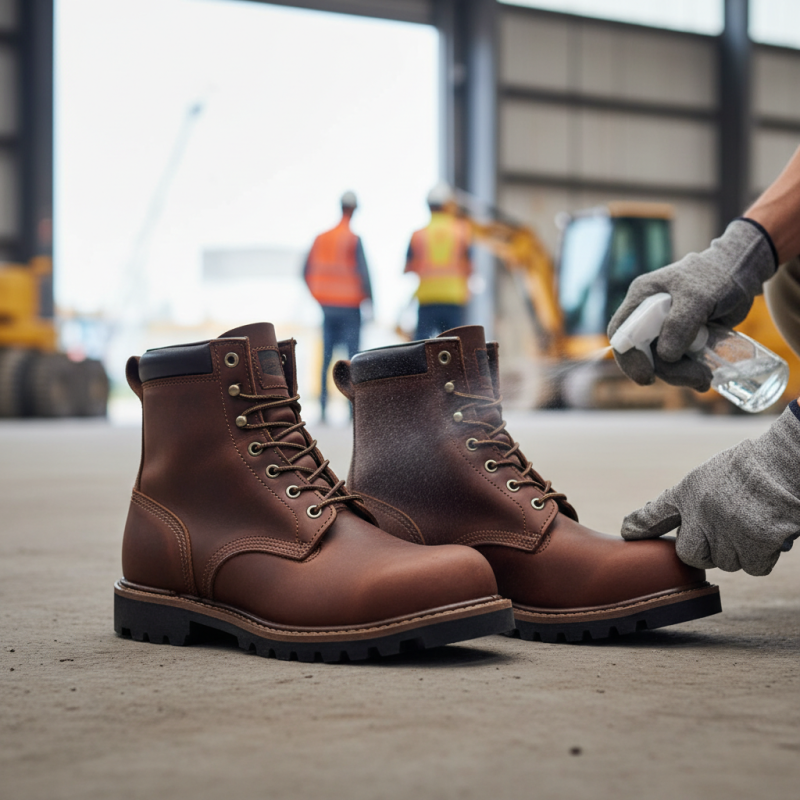
Another effective approach is using moisture. Wearing thick socks and using a boot stretcher may alleviate tightness. Research from a footwear study suggests that moisture can relax the leather. This method shows noticeable improvement after just a few wears. Additionally, consider utilizing leather conditioner. It softens the material, making it more pliable. Some users found that applying it twice a week provided quick results.
Lastly, walk on various surfaces while wearing the boots. This mimics real-world conditions and can expose pressure points. Many users found that uneven surfaces highlighted areas needing adjustment. This method might reveal lingering discomforts needing further attention. It’s essential to reflect on these experiences to ensure your boots provide both comfort and support over time.
Tips for Ensuring Comfort and Safety While Wearing Steel Toe Boots
Wearing steel toe boots is essential in numerous industries, such as construction and manufacturing. However, comfort and safety can be compromised if these boots are not properly fitted or broken in. According to a report from the American National Standards Institute (ANSI), around 30% of workplace injuries involve foot-related accidents. This underscores the need for comfortable and safe footwear.
To ensure comfort while wearing steel toe boots, focus on the fit. Boots should be snug but not painfully tight. A poor fit can lead to blisters and soreness. Consider using insoles made from memory foam, which can provide added cushioning. In a 2021 study, 65% of participants reported increased comfort when using quality insoles in their work boots. It’s essential to wear these boots gradually to allow your feet to adjust.
Safety is paramount. Ensure the steel toes in your boots comply with ANSI standards, offering adequate protection against impact and compression. Check for certifications on your footwear. Additionally, walking and standing for long periods in heavy boots can lead to fatigue. Take regular breaks to prevent strain. Strangely, some workers overlook this crucial aspect. Reflecting on your daily routine can reveal patterns that may need adjustments.
Maintaining Your Steel Toe Boots for Longevity and Performance
Steel toe boots are essential for safety in many industries. However, they can be quite uncomfortable if not maintained properly. Regular maintenance can significantly extend their lifespan and enhance performance. According to a study by the American Society of Safety Professionals, properly maintained footwear can reduce workplace injuries by 25%.
Inspect your steel toe boots weekly. Look for signs of wear, like cracks or loose stitching. Replace insoles regularly to ensure proper support. The right fit is crucial. Ill-fitting boots can lead to blisters or other foot problems. Remember to clean them frequently. Dirt and grime can weaken the material over time.
Tip: Use a soft brush and mild soap to clean your boots. Let them air dry, away from direct heat. Moisture management is vital; consider using moisture-wicking insoles.
Quality matters when it comes to safety footwear. The durability of steel toe boots hinges on proper care. Neglect can lead to costly replacements. A minor issue ignored today might lead to severe discomfort later. Workers should be aware of the hidden costs of poor maintenance, as noted by industry experts.
Tip: Store your boots in a cool, dry place. This prevents mold and mildew. Don’t forget to condition the leather to keep it supple. A little care goes a long way.
How to Break in Steel Toe Boots Fast for Comfort and Safety
FAQS
: Gradually increase wear time. Start with just one hour each day.
Wear thick socks and consider using a boot stretcher. Moisture can help relax the leather.
Applying it twice a week can improve softness. This makes the boots more pliable.
It exposes pressure points and discomfort. Uneven surfaces highlight areas needing adjustment.
Inspect them weekly for wear and replace insoles regularly. This ensures proper support.
Use a soft brush and mild soap to clean. Let them air dry away from heat sources.
Poor care can lead to costly replacements and discomfort. Minor issues can escalate over time.
Keep them in a cool, dry place to prevent mold and mildew.
Consider using moisture-wicking insoles. They help keep your feet dry and comfortable.
Ill-fitting boots can cause blisters and other foot problems. Ensuring a proper fit is crucial.
Conclusion
Breaking in steel toe boots fast is essential for achieving the comfort and protection needed for demanding work environments. Understanding the significance of this process starts with ensuring the right size and fit, as poorly fitting boots can lead to discomfort and safety hazards. By following a step-by-step guide, wearers can effectively soften the material and shape the boots to their feet.
In addition to proper breaking-in techniques, it’s crucial to prioritize comfort and safety while wearing these boots. This includes wearing thick socks, gradually increasing wear time, and being mindful of any discomfort. Lastly, maintaining your steel toe boots through regular cleaning and conditioning will enhance their longevity and performance, ensuring they remain reliable over time.

 Lento Shoe